A correx signs review only becomes useful when you look past the price per board and ask a more practical question: what job does the sign need to do, and for how long? Correx is one of the most widely used sign materials because it is cheap to produce, light to handle and suitable for short to medium-term display. That makes it a strong option for estate agent boards, site notices, event signage, promotional boards and temporary directional signs. It also means there are situations where it is the wrong choice.
If you are ordering signage for a building site, retail promotion, roadside display or local event, the material matters as much as the artwork. Correx has a clear place in the market, but it works best when expectations are realistic.
Correx signs review: what Correx actually is
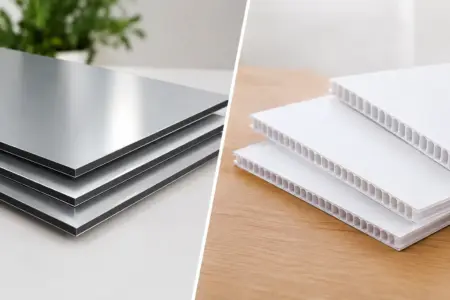
Correx is a fluted polypropylene board. In simple terms, it is a corrugated plastic sheet with hollow channels running through it. Those flutes keep the board lightweight while giving it enough stiffness for signage use.
The main appeal is practical. Correx is easy to print, easy to cut and easy to fix to fences, posts, hoardings and walls. It is also water-resistant, which is why it is so commonly used outdoors. For businesses that need multiple signs quickly and at sensible cost, that combination is hard to ignore.
It is not a premium rigid board, and it is not meant to be. It sits in the market as a functional, economical material for jobs where visibility and value matter more than a high-end finish.
Where Correx signs perform well
Correx is at its best when you need clear messaging for a limited campaign or a practical ongoing use where replacement cost matters. Construction firms use it for health and safety notices and site boards. Estate agents use it for sale and let boards. Event organisers use it for wayfinding, sponsor boards and temporary information signs. Retailers use it for promotional displays and seasonal messaging.
This is where a good correx signs review should be honest. The strength of the material is not that it looks luxurious. The strength is that it does the job efficiently. If you need ten, fifty or several hundred boards for a campaign or multi-site rollout, Correx can make the numbers work in a way thicker aluminium composite or acrylic often cannot.
Because it is lightweight, installation is usually straightforward. Boards can be cable-tied, screwed with washers, mounted on stakes or fixed to temporary frames without much effort. That saves time on site and keeps handling simple for tradespeople and event staff.
Print quality and appearance
Print quality on Correx is generally very good for the applications it is designed for. Bold branding, simple graphics, directional arrows, pricing messages and safety information all reproduce well. Strong contrast and clean layouts tend to work best.
Where customers sometimes go wrong is expecting the same visual feel as a denser, smoother premium board. Correx has a more functional appearance. Up close, the fluted structure and lighter board weight make that clear. From normal viewing distance, especially outdoors, that is rarely a problem. In fact, for many commercial uses, nobody needs the sign to feel expensive. They need it to be readable, on-brand and ready fast.
Artwork choice makes a difference. Small text, very fine detail and low-contrast colour combinations are less forgiving on any temporary signage, and Correx is no exception. If the sign will be viewed from passing traffic or across a forecourt, simpler is usually better.
Durability outdoors
For outdoor use, Correx performs well within the right timeframe. It handles rain and general weather exposure far better than card-based alternatives, and it does not rust or rot. That makes it a reliable material for short-term outdoor signage and many medium-term installations.
The trade-off is rigidity and long-term resilience. In exposed positions with strong wind, constant movement or heavy impact risk, Correx can bend, crease or deteriorate sooner than a more substantial board. It is durable enough for many real-world jobs, but not indestructible.
Thickness also matters. A thicker board will usually give better stiffness and a more solid feel, particularly for larger panel sizes. If a sign is going onto railings, fencing or open areas where wind load matters, it is worth thinking about the board size, fixing method and exposure together rather than treating the material choice as a standalone decision.
For indoor use or sheltered outdoor positions, Correx can last well and remains one of the most cost-effective rigid sign materials available.
Correx signs review: the main limitations
Every material has its limits, and Correx is no different. The first is presentation. If you are fitting signs in a premium office, high-end showroom or permanent reception area, Correx may look too temporary. It is practical rather than polished.
The second is structural strength. Large unsupported boards can flex. In windy areas, poor fixing can shorten the life of the sign quickly. If the board is going to stay up for a long period in a demanding position, a heavier-duty material may give better long-term value even if the upfront cost is higher.
The third is lifespan expectation. Correx is excellent for campaigns, notices, promotions, site use and events, but it is not always the right answer for signage intended to look fresh year after year. Some buyers choose it because it is economical, then become disappointed when they judge it against a permanent sign specification.
That is not a fault with the material. It is a mismatch between product and use.
Best uses for businesses and organisations
For most customers, Correx makes sense when speed, quantity and cost control are high priorities. It is particularly well suited to safety boards, parking signs, temporary notices, contractor signage, directional boards, election signage, event branding and promotional displays.
It also suits businesses that need seasonal or changeable messages. If offers, access routes, opening arrangements or site instructions are likely to change, there is little sense paying for a premium substrate where a practical printed board will do the job cleanly.
Small businesses often get the best value from Correx when they need visible signage without committing large budget to every location. A café promoting an outdoor event, a landscaper marking a live site, or a school directing visitors during an open day all have similar needs: clear information, quick turnaround and sensible spend.
When to choose another material
There are cases where Correx is not the best buy. If the sign is intended as a long-term external fixture on a shopfront or business premises, a more rigid and durable board may be the better route. If appearance is central to the customer experience, such as branded interior signage or polished presentation areas, a higher-spec material can justify the extra cost.
Likewise, if the sign will be installed in a very exposed location, the combination of wind, repeated movement and long-term wear can work against Correx. In those situations, it helps to think beyond the cheapest unit price and consider replacement cycles, maintenance and appearance over time.
That said, many customers do not need permanent signage. They need useful signage. For that, Correx often lands in the sweet spot.
Ordering Correx signs without wasting time
The most efficient Correx orders usually start with three decisions: size, fixing method and artwork approach. If the board is going on fencing or rails, check the viewing distance and support points before choosing dimensions. If it needs to go on stakes, consider the board orientation and likely weather exposure. If the message is promotional, keep the wording brief and readable.
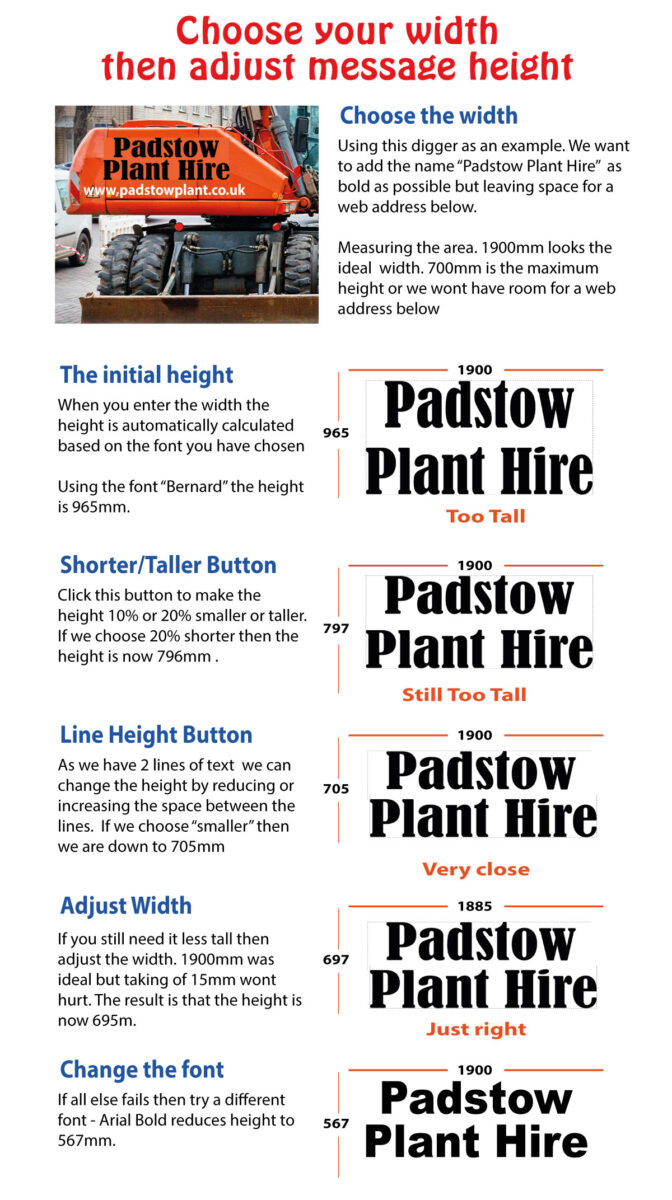
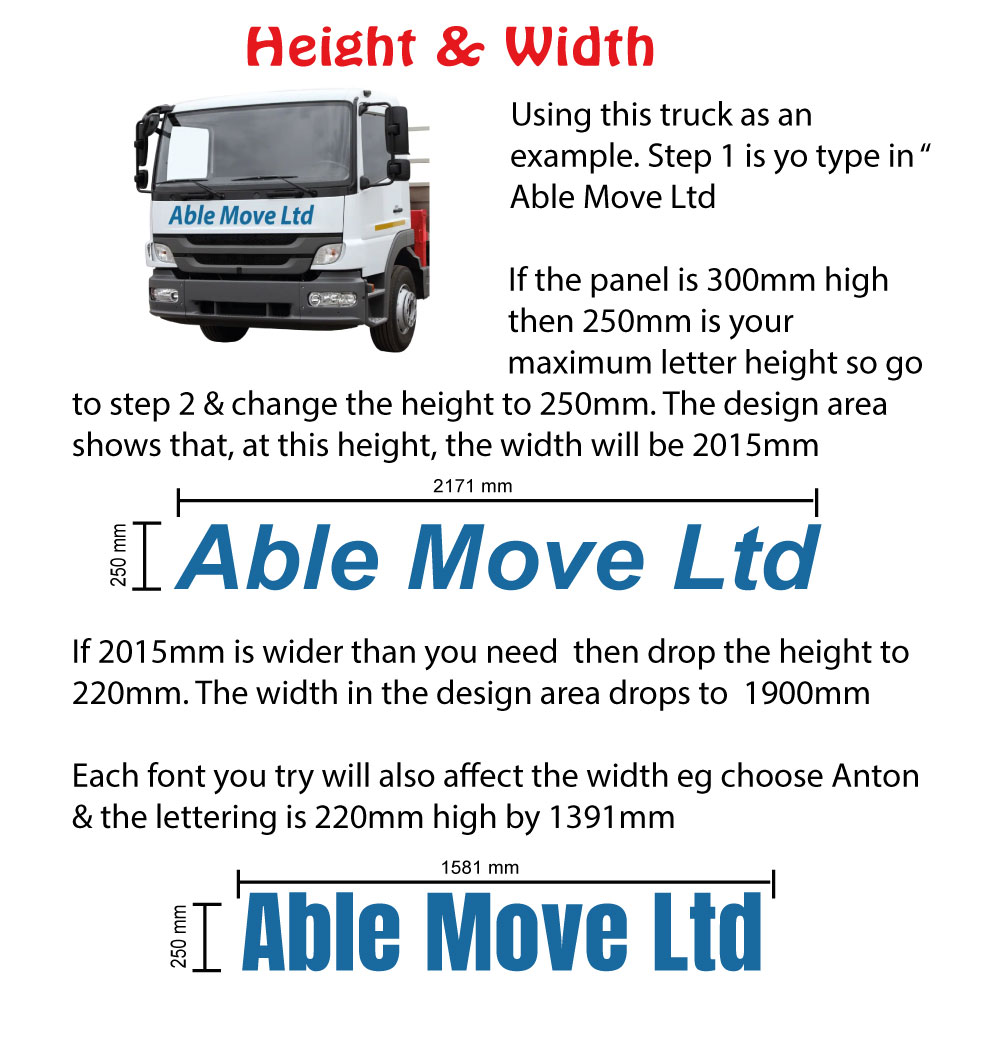
Artwork preparation matters as well. A clean logo, clear fonts and good contrast will do more for the finished result than overcomplicated design. For straightforward boards, online design tools can be enough. For branded or repeat-use signage, uploading print-ready artwork often speeds the process. Where the brief is less clear, having a design service available can save rework.
This is where a production-focused supplier makes a difference. The process should help customers move from requirement to approved artwork to print without confusion. The SignBuilder approach is built around that practical workflow, which suits businesses that need signs ordered and sorted rather than turned into a long project.
Final view on Correx
Correx is not trying to be the most prestigious sign material on the market. It is trying to be useful, economical and easy to deploy – and in the right applications, it does that very well. If you need temporary or medium-term signage that prints clearly, installs easily and keeps costs under control, it remains one of the strongest options available.
The best buying decision is usually the simplest one: match the board to the job, not the other way round. If the sign needs to work hard, read clearly and arrive without fuss, Correx is often exactly where to start.