A sign outside a busy trade counter has a different job from a polished reception plaque. That is why choosing between aluminium composite versus acrylic signs should start with where the sign will be fitted, how long it needs to last and the impression it needs to give. Both materials produce sharp, professional signage, but they suit different conditions and budgets.
Aluminium composite is usually the practical choice for long-term outdoor signs, site boards and branded panels. Acrylic is often chosen where appearance matters most, particularly for indoor displays, office branding and premium-looking customer-facing signs. The right answer is not simply which material is better. It is which one is better for the job.
Aluminium composite versus acrylic signs: the key difference
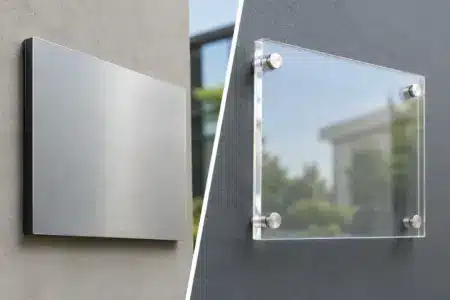
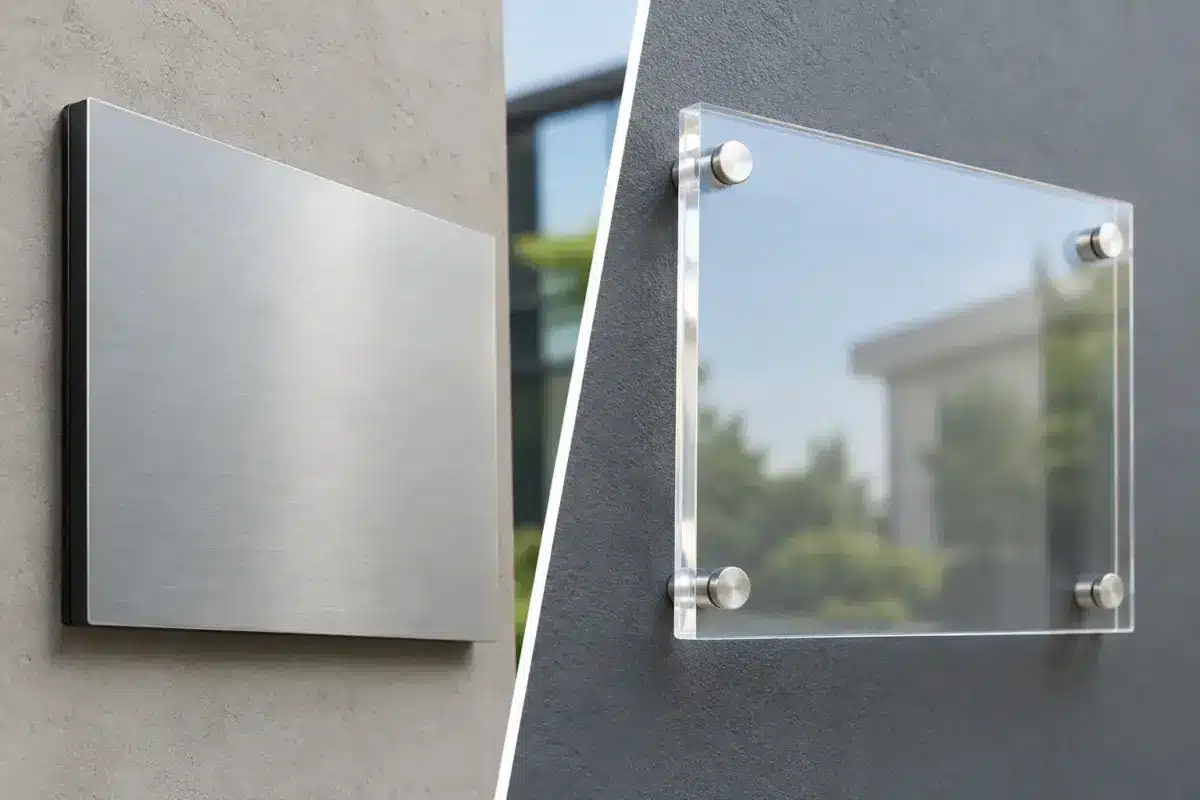
Aluminium composite, often called ACM or dibond-style material, is a rigid panel made with a solid plastic core between two thin aluminium sheets. It is light for its size, stays flat and is designed to handle outdoor use well. Printed graphics, vinyl lettering and directional information all sit cleanly on its smooth surface.
Acrylic is a solid plastic sheet with a glossy, glass-like finish. It gives signs a clean, high-end appearance and is available in a range of colours, including clear, white, black and frosted options. It can be printed, cut to shape and fitted with stand-off fixings for added depth from the wall.
The main distinction is straightforward. Aluminium composite is built around durability and value in demanding locations. Acrylic puts more emphasis on presentation, depth and a refined finish.
When aluminium composite is the better choice
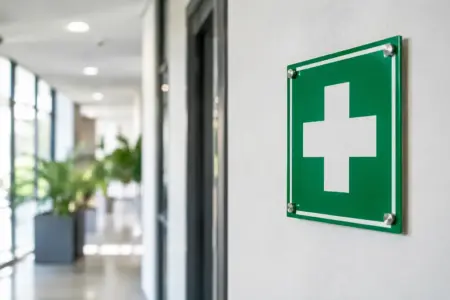
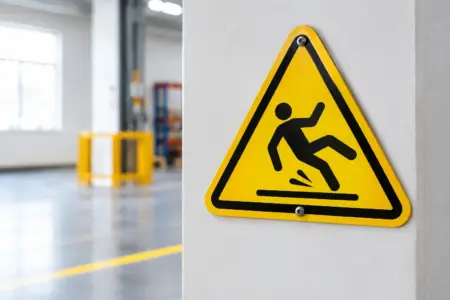
For businesses that need signage to work hard outdoors, aluminium composite is difficult to beat. It is commonly used for shop fascias, estate agent boards, construction site signs, parking notices, health and safety signs, directional panels and large branded displays.
Its layered construction resists warping better than many standard plastic sheets. It also performs well in wet weather and changing temperatures, making it a sensible choice for exposed walls, fencing, gates and roadside positions. A properly fitted panel can remain clear and professional-looking for years, even in locations that see regular rain, wind and dirt.
This material is especially useful when a sign needs to carry plenty of information. Site rules, hazard notices, opening hours and wayfinding graphics need a flat, stable surface so text remains easy to read. Aluminium composite provides that without the weight and cost associated with solid metal signs.
It is also a cost-effective option for larger sizes. If you need several matching panels across a site, fleet yard, retail park or housing development, the price per sign is often easier to manage than acrylic. That matters when signs are practical equipment rather than a single focal point in a customer area.
Best uses for aluminium composite
Aluminium composite suits permanent or semi-permanent outdoor signage, including:
- Shop and unit signs
- Construction and site safety boards
- Parking and access notices
- Property, directional and wayfinding panels
- Trade counter and warehouse signs
- Event signs that need a firm, weather-resistant board
Although it is highly capable outdoors, it is not limited to external use. It also works well indoors where a simple, hard-wearing panel is more useful than a decorative feature sign.
When acrylic is the better choice
Acrylic signs are chosen when the finish is part of the message. A glossy white panel with crisp printed lettering can make a reception area feel more established. Clear acrylic fixed away from the wall can give room names, company branding or opening information a smart, dimensional appearance without becoming over-designed.
For offices, clinics, salons, showrooms, hospitality venues and retail interiors, acrylic often delivers the visual impact that a standard printed panel cannot. The material catches light differently from aluminium composite and has a cleaner edge detail, particularly when cut to a custom shape.
Acrylic is also useful for signs that need to feel permanent and customer-facing. Think door plaques, reception logos, meeting room names, menu boards, display panels and branded wall features. Clear or frosted acrylic can be particularly effective where you want the wall colour or background surface to remain visible.
There are practical limits. Acrylic is more prone to scratching than aluminium composite, especially in high-contact locations. It can also crack if it receives a heavy impact or if fixing holes are overtightened. For an unattended sign on a busy yard gate or a board fitted to temporary fencing, it is rarely the first material to choose.
Best uses for acrylic signs
Acrylic is usually the stronger option for indoor branded signs, reception panels, office door signs, wall-mounted logos, display information and premium point-of-sale signage. It can be used outdoors in the right location, but sheltered installations tend to protect its finish and reduce the risk of accidental damage.
Durability, weather and everyday wear
If weather resistance is your priority, aluminium composite has the advantage. It is made for outdoor display and copes well with moisture, sunlight and general site conditions. The material itself is stable, while a quality printed finish and suitable protective laminate can help maintain colour and readability.
Acrylic is weather-resistant too, but it needs more consideration. Direct sun, repeated knocks and frequent cleaning can affect how it looks over time. It remains a good outdoor option for smaller, sheltered signs, but it is less forgiving where there is a risk of impact from equipment, deliveries or foot traffic.
Cleaning is simple for both materials. Use a soft cloth, warm water and mild detergent, then avoid abrasive pads and harsh solvents. Acrylic deserves particular care because aggressive cleaning can leave fine surface marks that become visible in bright light.
Appearance and print finish
Both materials can reproduce logos, text and full-colour artwork clearly. The difference lies in the character of the finished sign.
Aluminium composite has a smooth, practical surface that suits bold branding, high-contrast safety messages and large-format graphics. It looks professional without drawing attention to the material itself. For a shop sign viewed from the pavement or a site notice read from a distance, that is often exactly what is needed.
Acrylic is more decorative. Its gloss, transparency or frosted effect can create a sharper visual result in close-up spaces. Stand-off fixings add shadows and separation from the wall, helping a logo or information panel look more considered. This makes acrylic particularly effective where visitors will be standing near the sign rather than viewing it from across a car park.
The background behind the sign matters too. A clear acrylic sign can look excellent on a clean painted wall, timber feature wall or internal glass partition. On a rough, uneven brick surface, an opaque aluminium composite panel may be the more reliable and readable option.
Fixing and installation considerations
Aluminium composite is straightforward to drill, screw and mount. It can be fitted directly to walls, posts, fencing and frames, with the right fixings for the surface. Larger panels should have enough fixing points to prevent movement in the wind and maintain a neat appearance.
Acrylic can also be drilled and mounted, but needs a little more care. Stand-off fixings are a popular choice because they suit the material and make the sign feel more premium. Holes should be positioned accurately, and screws should not be tightened excessively, as pressure can damage the sheet.
Before ordering either material, measure the available space and check the fitting surface. Consider whether the sign needs to sit flat, stand away from the wall, fit between posts or attach to existing rails. A well-designed sign can still fail to do its job if it is too small, poorly positioned or fixed where it is obscured by doors, stock or parked vehicles.
Cost: where should you spend more?
For most large outdoor signs, aluminium composite offers better value. It gives you a durable, professional panel at a sensible price, especially where several signs are required. It is a strong choice for operational signage because it balances performance, size and cost.
Acrylic generally costs more, particularly when you add custom cutting, drilled holes or stand-off fixings. That additional spend makes sense when the sign contributes directly to how customers perceive your premises. A reception sign only needs to be bought once, but it may be seen by every visitor.
A useful way to decide is to separate functional signage from presentation signage. Choose aluminium composite for the signs that guide, warn, inform and work outdoors. Choose acrylic for the signs that welcome, reassure and represent your brand at close range.
Choosing the right sign for your premises
If you need a durable panel for a building exterior, car park, site entrance or safety notice, aluminium composite is normally the sensible starting point. It is dependable, weather-resistant and well suited to larger formats.
If you are fitting a reception logo, office plaque or interior display where finish and detail carry more weight, acrylic is likely to give the stronger result. It costs more in many cases, but the polished look can be worthwhile in a customer-facing setting.
For businesses ordering several products at once, it can be practical to use both. Aluminium composite can cover external directions and compliance signage, while acrylic handles the indoor areas where customers meet your brand. Start with the sign’s location and purpose, then choose the material that will still look right after the job is finished.