A plain white van can do more than carry tools and stock. It can put your name in front of hundreds of people a day, parked on site, outside a customer address or moving through town. That is why the question of vehicle graphics vs wraps comes up so often. The right choice affects cost, appearance, fitting time and how much of the vehicle you actually want to cover.
For most businesses, the decision is not about which option sounds more impressive. It is about what works for the job. A local tradesperson may only need clean branding on the sides and rear doors. A larger fleet may want stronger visual impact across multiple vehicles. The best route depends on budget, coverage, artwork and how long the vehicle is likely to stay in service.
Vehicle graphics vs wraps: what is the difference?
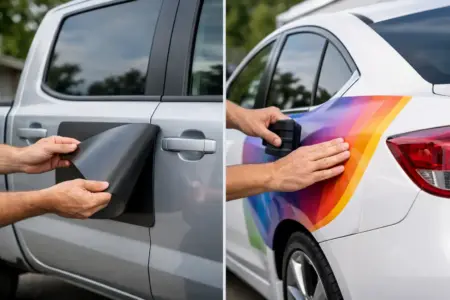
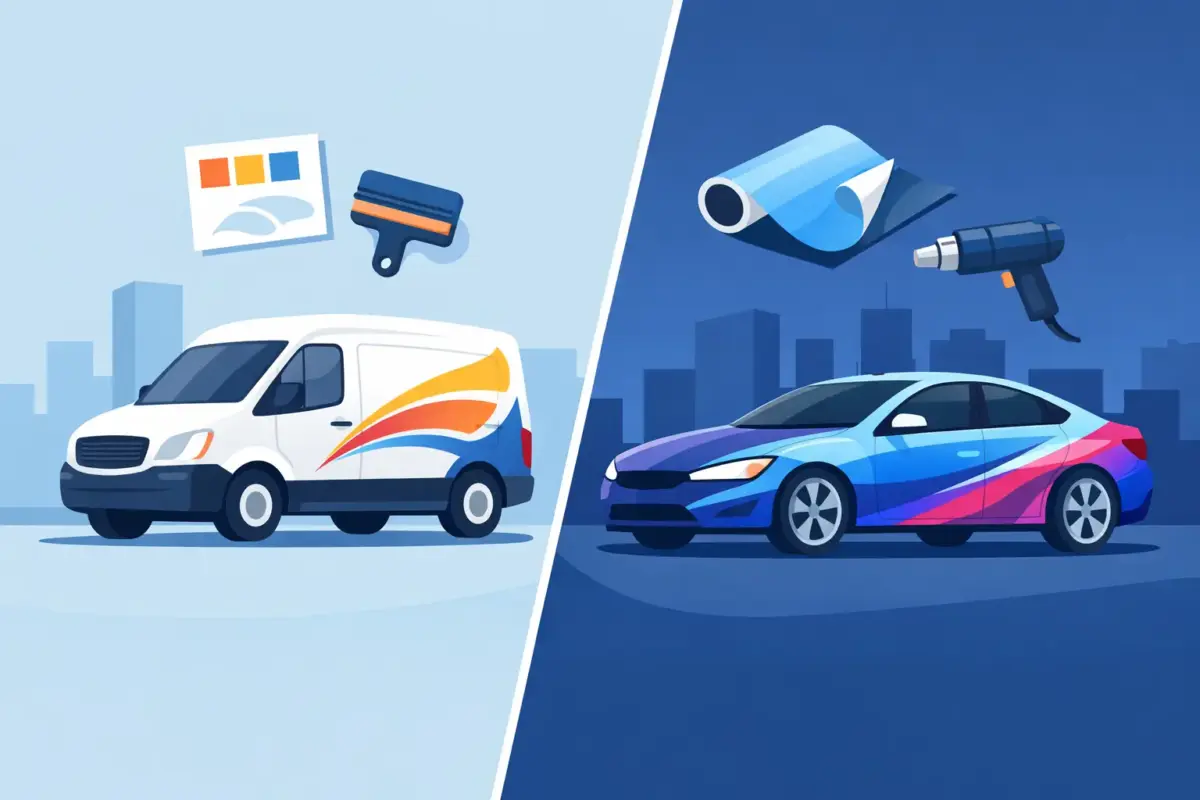
Vehicle graphics usually refer to cut vinyl lettering, logos and printed elements applied to selected areas of a vehicle. That might include a company name on the side panels, contact details on the back, or a logo on the bonnet. They are targeted, practical and often the most cost-effective way to brand a van, car or lorry.
Wraps usually refer to large-area printed vinyl covering most or all of the vehicle surface. This creates a more complete visual finish and can change the overall appearance far more dramatically than individual graphics. It allows for large images, full-colour backgrounds and stronger brand presentation across the whole vehicle body.
The difference is not only visual. It also affects production, installation and budget. Graphics are generally quicker to produce and simpler to fit. Larger vinyl coverage requires more material, more preparation and more labour. If you only need essential business information clearly displayed, full coverage may be more than you need.
When vehicle graphics make more sense
Vehicle graphics are a strong fit for many working vehicles because they focus on the information that matters. A business name, phone number, website, service list and logo can often do the job perfectly well without covering every panel.
For plumbers, electricians, builders, cleaners, delivery firms and mobile service businesses, this approach is often the most practical. You keep the vehicle’s base paint visible while adding clear branding where people are most likely to see it. The result looks professional without pushing the budget further than necessary.
There is also a maintenance advantage. If a door panel gets damaged or you need to update a telephone number, replacing a smaller graphic is usually simpler than redoing a large printed section. That can be useful for growing businesses where details may change over time.
Another point is vehicle lifespan. If the van is leased, due for replacement, or used in harder conditions, selective graphics can be the safer option. You still get strong visibility, but with less investment tied up in one vehicle.
Best uses for vehicle graphics
Vehicle graphics work especially well when the layout is text-led, when brand colours are simple, and when visibility matters more than visual coverage. They are also useful where you want consistency across mixed vehicle types. A fleet with different vans and cars can still carry the same branding elements without needing each vehicle to become a fully printed design project.
This approach also suits businesses that want easy-fit or straightforward ordering. If your artwork is already set up as logos, lettering and standard brand assets, the process tends to be more direct.
When full vehicle coverage earns its cost
Larger vinyl coverage is usually chosen for impact. If you want the vehicle to function as a moving advert with high visual presence, this route gives you more design space. You can use stronger imagery, bolder blocks of colour and a more complete branded finish.
This can make sense for businesses that rely heavily on local visibility, franchised fleets that need consistent presentation, or brands that attend events and want vehicles to support the wider look of banners, signs and printed materials. It is also useful when the vehicle’s original paintwork is not ideal for the image you want to present.
That said, greater coverage only pays off if the design is handled properly. More space does not automatically mean better advertising. If the vehicle becomes cluttered, hard to read or overloaded with information, the extra material has not improved the result. Good vehicle branding still depends on hierarchy. People need to recognise the brand and understand the service quickly, often while the vehicle is moving.
Cost, fitting and downtime
This is where trade-offs become clear. Larger-area vehicle branding generally costs more because it uses more printed vinyl and takes longer to install. The vehicle may also be out of action for longer, which matters if it is needed daily for jobs or deliveries.
For some operators, that extra time and cost are justified by the stronger finish. For others, especially owner-operated vans, keeping things simple is the better commercial decision.
Vehicle graphics vs wraps on durability and upkeep
Durability depends on the material used, the condition of the vehicle, how well the surface is prepared and the environment the vehicle works in. A van doing motorway miles every week and parking outdoors all year will place different demands on the graphics than a car used occasionally for local appointments.
Vehicle graphics can be very durable because they cover smaller, flatter areas and place less stress on the material. They are often easier to inspect and replace in sections if needed. If one part is damaged, you may not have to redo the whole design.
Larger printed coverage can also perform well, but there is simply more material exposed to weather, washing and wear. Edges, recesses and high-contact areas need careful application. The bigger the covered area, the more important proper fitting becomes.
Cleaning matters too. In either case, sensible vehicle washing helps preserve appearance. Harsh cleaning methods and neglected surfaces shorten the life of any applied vinyl. Businesses that keep vehicles clean tend to get better long-term value from their branding.
Design matters more than coverage
A common mistake is assuming that more vinyl means better marketing. In reality, clear design usually outperforms crowded design. A clean logo, readable phone number and concise service message often do more work than a vehicle covered from end to end with too much detail.
This is especially true on working vans. Most people only get a few seconds to take in what they see. If the lettering is too small or the message is buried in decorative graphics, the vehicle is less effective no matter how much of it is covered.
For many businesses, the best answer sits between the two extremes. You may not need minimal cut lettering only, and you may not need full coverage either. Printed panels combined with vinyl text and logos can give you a stronger branded look while keeping costs under control.
How to choose the right option for your vehicle
Start with the job the vehicle needs to do. If it is mainly there to carry clear company details and support a professional image, vehicle graphics are often enough. If the vehicle is central to your brand presence and you want maximum visual coverage, larger printed vinyl may be worth the extra investment.
Then look at four practical points: budget, vehicle type, expected lifespan and artwork. A small car, a transit van and a fleet of box lorries will not all need the same treatment. Neither will a vehicle you plan to replace in two years and one you expect to keep much longer.
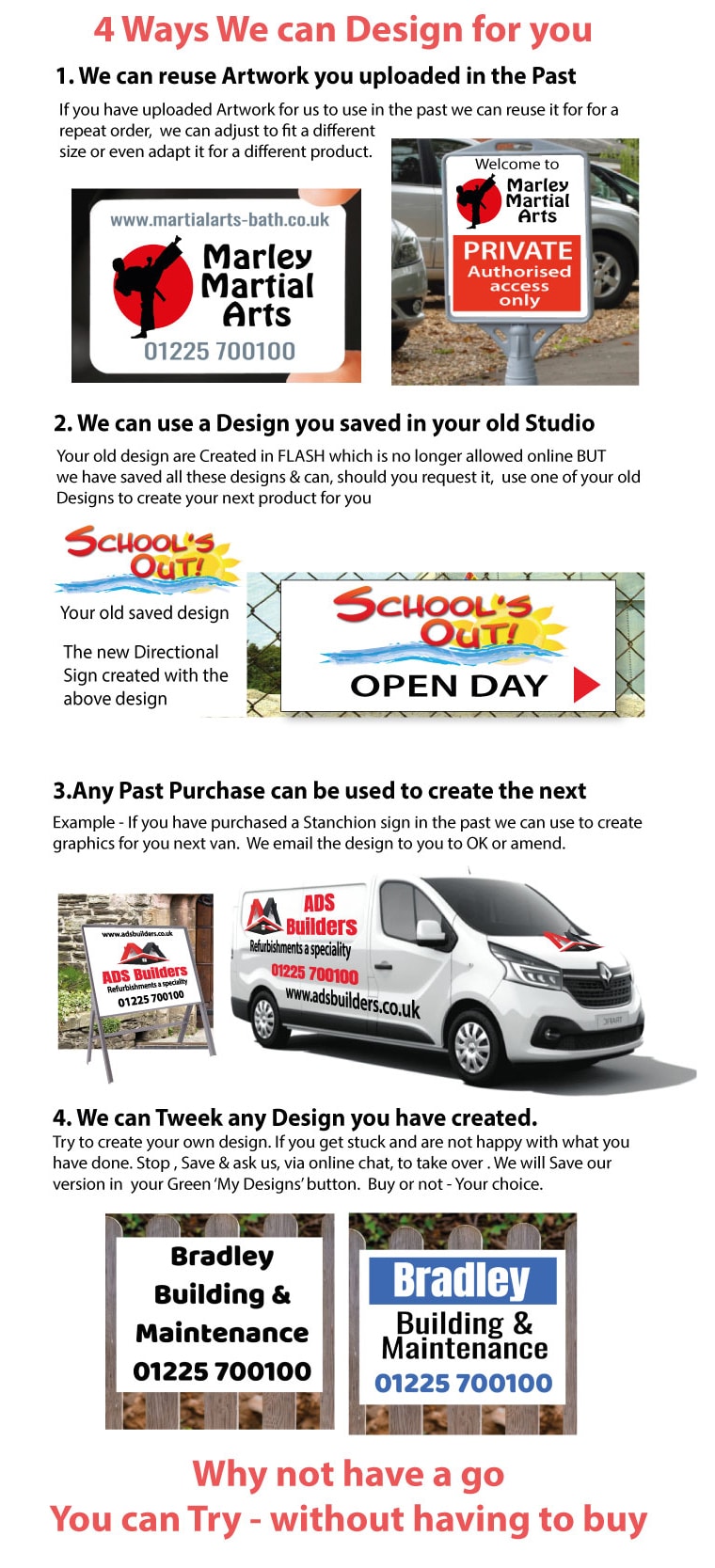
It is also worth considering how confident you are with artwork. Some customers already have print-ready branding and know exactly what they need. Others need support to turn a logo and a few contact details into a layout that works on a real vehicle. Getting that right early saves time and avoids costly changes later.
For buyers who want a straightforward route to order, product choice and process matter. Being able to design online, upload your own design or ask for help keeps the job moving and makes the end result easier to manage.
The practical choice is the one that fits the work
The vehicle parked outside your job is part of your signage whether you planned it that way or not. If you want a cost-effective, durable and flexible branding option, vehicle graphics are often the right fit. If you need stronger visual coverage and a bigger brand statement, larger printed vinyl can justify the spend.
The better choice is the one that matches your vehicle, your budget and the way your business actually operates. Start with what needs to be seen, keep the message clear, and choose a finish you can maintain with confidence.