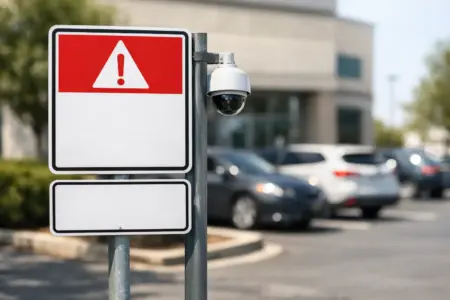
If drivers are stopping in the wrong places, missing payment instructions or arguing over who can park where, the issue is often not behaviour alone. It is signage. When customers ask what signs do car parks need, the answer usually starts with one point: enough clear signs to control movement, explain the rules and reduce confusion before it turns into a problem.
A well-signed car park does more than mark spaces. It helps traffic move safely, supports day-to-day operations and gives site owners something to point to when rules are challenged. Whether you manage a retail forecourt, private business parking, residential bays or a mixed-use site, the right signs need to be visible, durable and placed where people actually make decisions.
What signs do car parks need for day-to-day use?
Most car parks need a combination of entrance signs, directional signs, bay markers and rule signs. The exact mix depends on the site, but very few locations can rely on a single board at the gate and expect it to do the whole job.
At minimum, drivers should be able to understand three things quickly. First, whether they are allowed to park there. Second, where they should go. Third, what conditions apply once they have parked. If any of that is unclear, you get hesitation at the entrance, vehicles going the wrong way, blocked access points and disputes over restricted bays.
That is why car park signage usually works best as a system rather than a one-off product. One sign may state the main terms, but supporting signs need to repeat key information throughout the site. This is especially true on larger premises, shared sites and places used by first-time visitors.
Entrance signs set the ground rules
The entrance is where the first decision happens, so this is where your key message needs to be strongest. If the car park is private, permit-only, customer-only or managed under specific terms, that should be obvious before a driver commits.
An entrance sign often includes the site name, opening or access restrictions, who may park there and any headline parking conditions. If there are payment requirements, time limits or enforcement measures, those details should not be buried in tiny text. Drivers need enough information at the point of entry to understand what applies.
For some sites, this may also be the right place to add maximum vehicle height warnings, delivery access notices or no overnight parking instructions. A hotel, industrial unit and school car park will not all need the same wording. The sign should match the actual use of the space.
Directional signs keep traffic moving
Once vehicles are inside the site, directional signage becomes the practical backbone of the layout. Arrows, one-way signs, entry and exit markers and route guidance all help drivers make quick decisions without stopping in the middle of the lane.
This matters more than many businesses expect. Poor traffic flow creates congestion, frustration and avoidable risk, particularly in compact car parks where vans, cars and pedestrians are all sharing limited space. Even a simple one-way system can fail if signs are too small, poorly positioned or inconsistent.
Directional signs are also useful for guiding vehicles to specific zones such as staff parking, visitor bays, loading areas or disabled parking. If the site has multiple user groups, separating them clearly on signs reduces misuse and saves time.
Bay identification signs
Marked bays do not always speak for themselves. Painted lines help, but they are often not enough on their own, especially outdoors where markings wear over time.
Bay signs can identify reserved areas such as staff only, visitors only, permit holders only, parent and child, electric vehicle charging or disabled parking. These signs need to be direct and easy to recognise from a moving vehicle. If enforcement relies on the bay being clearly designated, the wording and placement matter.
On some sites, it also makes sense to number bays or sections. This is common in flat developments, business parks and managed facilities where spaces are allocated. Numbered signs can help with both wayfinding and administration.
Terms and conditions signs protect clarity
If your site operates under parking terms, those terms need to be displayed clearly enough to be read and understood. This is where many car parks fall short. A site may have rules, but if they are not communicated properly on signs, drivers may claim they were not made aware of them.
A terms sign can cover time limits, authorised users, payment requirements, permit display instructions and misuse conditions. It may also state that vehicles parked outside the terms may be subject to further action. The wording should be straightforward. Legalistic language tends to make signs harder to read, not more effective.
There is a trade-off here. You need enough detail to explain the rules, but not so much text that nobody reads it. In practice, this often means a larger main sign with concise headings and supporting signs around the site that reinforce the core restrictions.
Payment and machine signs
If parking is paid, signage around the payment process needs to be very clear. Drivers should know where to pay, when to pay and what happens if they do not. If there is a pay and display machine, app payment or terminal validation system, signs should direct users to it without guesswork.
This is one of the most complaint-prone parts of any car park because people often assume the process is obvious when it is not. A payment sign should not force drivers to search the site or interpret vague instructions. If different tariffs apply at different times, that should be displayed in a readable format.
Safety signs are often essential
Car parks are working environments as well as customer spaces. Depending on the setting, safety signs may be necessary to warn about hazards and reinforce safe behaviour.
These can include pedestrian route signs, speed limit signs, no reversing warnings, blind corner warnings, speed bump signs and stop or give way signs. In service yards, warehouse areas and mixed vehicle sites, you may also need signs for loading zones, no unauthorised access and delivery vehicle instructions.
Where there is a clear hazard, the sign should be positioned before the hazard rather than at it. That sounds obvious, but it is a common mistake. A warning only helps if drivers and pedestrians see it in time to act.
Disabled parking signs need proper consideration
Disabled bays need more than ground paint. Clear upright signs help identify the bay, support access and reduce misuse. On busier sites, they also make it easier for drivers to spot suitable spaces without circling.
The exact number and layout of bays will depend on the premises, but the signage should be unambiguous. If there are conditions attached, such as badge display requirements, these need to be stated clearly and sensitively. The sign should guide use, not create confusion.
It is also worth thinking beyond the bay itself. Routes from disabled parking to entrances should be easy to follow, and any access restrictions or height barriers should be signed early enough to avoid problems on arrival.
Temporary and seasonal signs still need to be clear
Not every car park runs the same way every day. Schools, event venues, retail parks and shared commercial sites often need temporary notices for overflow parking, short-term restrictions or seasonal traffic changes.
Temporary signs can work well if they are bold, weather-resistant and obviously current. They are less effective when they look improvised, are fixed too low or compete with permanent signs already on site. If a temporary message is important, it should stand out immediately.
For event parking in particular, freestanding signs can help direct vehicles without changing your permanent setup. This gives flexibility, but only if the signs are positioned logically and removed once they are no longer needed.
Choosing the right sign format
The wording matters, but so does the sign itself. Outdoor car park signage needs to cope with weather, dirt and constant visibility demands. A sign that looks fine on screen can fail quickly if the material, size or fixing method is wrong for the location.
Rigid signs are a common choice for permanent parking notices because they offer durability and a clean finish. Larger sites may need bigger format signs at entrances and simpler repeat signs deeper into the car park. Wall-mounted, post-mounted and freestanding options all have their place depending on the layout.
Visibility should guide most decisions. A small sign with perfect wording will still fail if drivers cannot read it until they have already passed the turning.
A sensible approach to car park signage
If you are deciding what signs do car parks need, start by walking the site as if you have never seen it before. Look at the entrance, the turns, the bays, the payment point and the exits. Wherever a driver or pedestrian has to stop and guess, a sign is probably missing, unclear or in the wrong place.
The best results usually come from combining a few essentials done properly rather than overloading the site with mixed messages. Clear entrance terms, sensible directional signs, marked bay notices and the right safety warnings will cover most day-to-day needs. If the site has special access rules, managed parking or multiple user groups, build those into the system rather than adding them as an afterthought.
Good car park signage is not about filling every spare wall. It is about making the site easier to use, easier to manage and harder to misunderstand.