A stack of boxes without labels, a shop window with no offer in sight, a van carrying your business name nowhere visible – these are small misses that cost attention. Custom vinyl stickers solve that quickly. They give you a simple, durable way to brand, label, promote and direct, without the lead times or cost of more permanent signage.
For many businesses, stickers sit in the useful middle ground. They are more professional than a temporary paper printout, but more flexible than fixed signs or panels. That makes them a practical choice for retail counters, product packaging, office interiors, event materials, short-run promotions and vehicle graphics where you need a clean finish and straightforward application.
Where custom vinyl stickers work best
The main strength of custom vinyl stickers is range. The same product type can be used for shelf labels, promotional decals, health and safety reminders, branded packaging, machinery identification and window messaging. For smaller firms especially, that flexibility matters because one artwork style can often be adapted across several uses.
Retail and hospitality businesses tend to use stickers for windows, takeaway packaging, price displays and seasonal promotions. Tradespeople and service businesses often need them for vans, equipment, hard hats, storage units and job-specific labelling. Event organisers use them for wayfinding, sponsor branding, registration packs and temporary surface graphics. In each case, the appeal is the same – quick production, clear visibility and lower cost per item when compared with many rigid alternatives.
There is also a practical benefit in keeping branding consistent. If your signs, vehicle graphics, labels and promotional materials all carry the same logo, colours and message, your business looks better organised. That matters whether you are quoting for contract work, selling in person, or welcoming visitors onto site.
Choosing the right custom vinyl stickers
Not all stickers are the same, and this is where many buying decisions either save time or create avoidable hassle. The right choice depends on where the sticker is going, how long it needs to last and what sort of finish you want.
Indoor or outdoor use
If the sticker is going onto packaging, folders, internal displays or short-term promotional material, an indoor-use option may be enough. If it is going on windows, vehicles, outdoor boards or equipment exposed to weather, you need a vinyl product suited to external conditions. Rain, sunlight, temperature changes and regular handling all affect performance.
A cheaper option can make sense for short campaigns. For longer use, it is usually better to order a more durable specification from the start. Replacing worn stickers too soon often costs more in time and repeat ordering than choosing properly at the beginning.
Printed stickers or cut vinyl
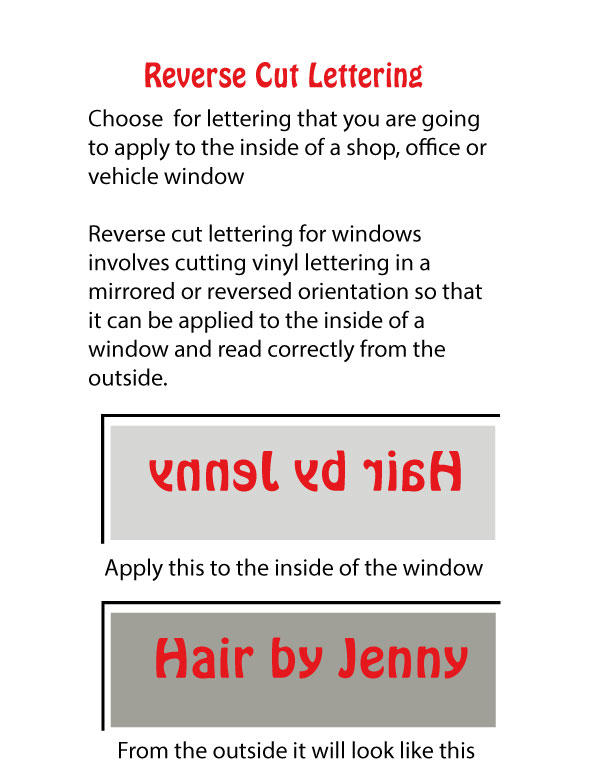
This depends on the design. Printed stickers are the better option when you need full-colour logos, gradients, photographs or detailed graphics. Cut vinyl suits simpler artwork such as lettering, symbols and single-colour branding where you want a sharp, clean-edged result without a printed background.
Neither is automatically better. It depends on the job. A café promoting opening times on a glass door may prefer cut lettering for a neater look. A product brand using a detailed logo on packaging will usually need print.
Shape, size and finish
Standard shapes keep ordering simple and cost-effective, but custom shapes can give the finished piece more impact. A circle or rectangle works well for most branding and labelling jobs. A contour-cut shape can help a logo stand out, particularly on packaging or promotional handouts.
Finish also makes a difference. Gloss can make colours appear brighter, while matt can reduce glare and produce a more understated look. If stickers are likely to be handled often, finish should not be chosen on appearance alone. Practical use matters just as much.
Artwork that prints well
A good sticker starts with readable artwork. This sounds obvious, but many designs are created on screen at a size that looks fine digitally and then become difficult to read once printed. Small text, low-contrast colours and overcrowded layouts are common problems.
For business use, clarity usually beats decoration. If the sticker has a job to do – identify stock, promote an offer, display instructions or reinforce branding – the message should be understood quickly. A logo, one key message and clear contact detail often work better than trying to use every available inch.
It also helps to match the design to the surface. Dark artwork may disappear on a tinted window. Fine lettering may be lost on textured equipment. A large sticker applied to a small curved item may crease or sit unevenly. Thinking about placement before ordering avoids many of these issues.
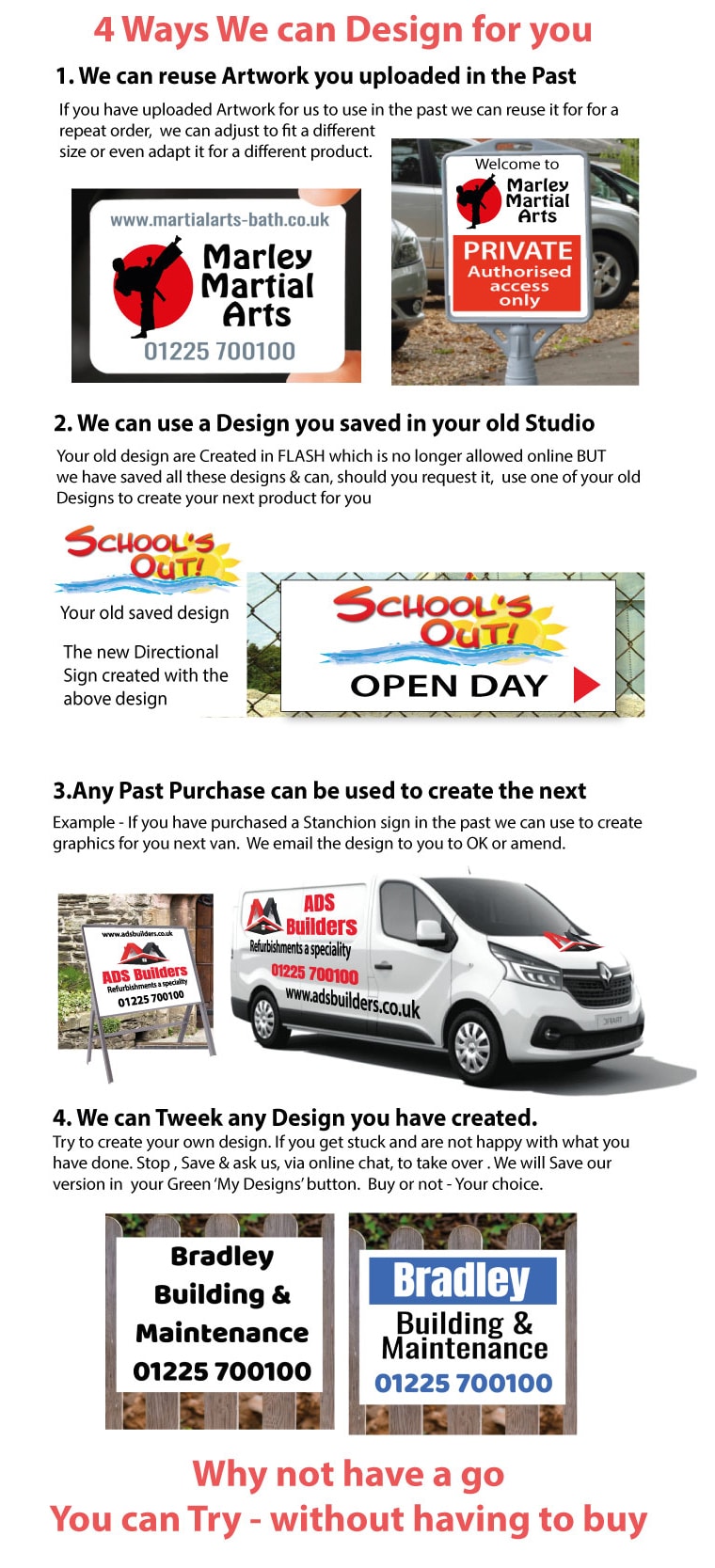
If you already have print-ready artwork, the process is usually straightforward. If not, using an online design tool or requesting artwork support can save time, particularly for first-time orders where sizing and setup are not always obvious.
Application matters more than many buyers expect
Even a well-produced sticker can look poor if applied badly. Surface preparation is the first step. Dust, grease and moisture reduce adhesion, so the application area needs to be clean and dry. On smooth surfaces such as glass, metal and painted panels, results are generally more reliable than on rough or porous materials.
Positioning also matters. Once a sticker is down, especially on larger sizes, adjusting it can be difficult without affecting the finish. For repeat jobs across multiple locations or vehicles, using consistent measurements helps keep everything looking professional.
Temperature can also affect application. Very cold conditions can make fitting harder, while damp outdoor conditions are rarely ideal. If the sticker is being applied in volume, a little preparation goes a long way towards a cleaner result and less waste.
Common business uses that justify the cost
Custom vinyl stickers are one of the easier products to justify because they tend to serve a direct purpose. They label stock, mark ownership, support sales messages, improve presentation and make branding visible in places where a full sign would be excessive.
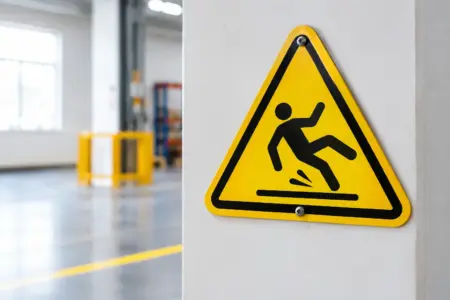
For product businesses, stickers can upgrade plain packaging into something branded and recognisable without committing to large printed box runs. For mobile businesses, they can add logos, phone numbers and service information to vehicles and equipment in a straightforward format. For sites and workplaces, they can support identification and operational messaging where speed and legibility matter.
They are also useful when information changes. A temporary promotion, revised opening hours or an event date can be updated with less cost and effort than replacing larger display materials. That flexibility is one reason many firms keep reordering stickers even when they use other signage products as well.
Ordering efficiently
The fastest orders usually come from knowing three things in advance: where the sticker is going, the size you need and whether the artwork is ready. Once those basics are clear, it becomes much easier to choose material, finish and quantity without second-guessing the whole job.
For regular buyers, keeping previous artwork files and approved sizes on record saves a lot of time on repeat orders. For newer buyers, starting with one clearly defined use is often better than trying to solve every branding need in a single order. You can always expand the range once you know what works in practice.
There is also a balance to strike on quantity. Ordering more can reduce unit cost, but only if the design is unlikely to change. If your logo, pricing, contact details or campaign messaging may be updated soon, a smaller run is often the more sensible choice.
Businesses ordering across the UK and Ireland often need a supplier that can handle straightforward online ordering but still support custom artwork and varied specifications. That is where a production-led service is useful. The SignBuilder approach reflects that reality – standard products where speed matters, with custom options when the job needs something more specific.
When stickers are the right choice – and when they are not
Stickers are practical, but they are not the answer to every display problem. If you need a long-term installation on a large external frontage, a more rigid sign product may be more suitable. If the message must be visible at distance, scale becomes more important than convenience. If the surface is heavily textured or regularly exposed to wear, the product choice needs more care.
That said, for close-range branding, labelling and promotional use, stickers do a lot of work for relatively little outlay. They are quick to order, easy to store and useful across departments – from sales and marketing through to operations and site management.
If your aim is to make branding more visible without slowing the job down, custom vinyl stickers are often one of the most practical places to start. Get the size, surface and artwork right, and they will quietly do their job every day.