A faded fascia, a flimsy pavement sign or a banner tied badly to a fence can make a good business look careless. The right outdoor business signs do the opposite. They help customers find you, support your brand, improve site safety and keep promotions visible in all kinds of British weather.
For most businesses, the question is not whether to use signage outside. It is which type will do the job properly. A café needs passing trade to notice it quickly. A construction site needs clear safety messaging. A fleet operator may need yard signs, gate signs and vehicle graphics that all look consistent. Different jobs call for different products, and getting that choice right saves time, reordering and wasted spend.
What outdoor business signs need to do
The best signage starts with the practical job it has to perform. Some signs are there to attract attention from a distance. Others need to direct people once they are on site. Some are temporary and promotional. Others need to stay in place for years with minimal upkeep.
That is why outdoor business signs should be chosen by use first, not just by appearance. A shopfront sign has different demands from an estate agent board. A forecourt sign has different demands from a school notice board. Before you think about size, colour or finish, it helps to be clear on three things: where the sign will sit, how long it needs to last and what someone should understand within a few seconds of seeing it.
If visibility is the main priority, size, contrast and placement matter more than decorative detail. If durability matters most, material choice becomes the key decision. If the sign is likely to change often, a more flexible format usually makes better commercial sense than a fully permanent fixture.
Common types of outdoor business signs
Rigid signs are one of the most widely used options because they cover a lot of needs. They work well for business identification, parking notices, directional signs, site rules and branded panels. Materials and thicknesses vary, so the right choice depends on whether the sign is going on a wall, fence, post or temporary frame.
Banners are useful when you need scale without the cost of a fixed sign installation. They suit events, seasonal offers, openings, short-term campaigns and perimeter branding. They are practical, quick to install and easy to replace, although they are not always the best long-term answer where a more solid sign would look better and last longer.
Pavement signs are built for passing footfall. Retailers, cafés, salons and hospitality venues often use them to advertise offers, opening times or daily specials. Their strength is flexibility. You can change the message as needed, but they do rely on good positioning and regular upkeep to stay tidy and readable.
Freestanding signs are useful where wall space is limited or where visibility from the road matters. They can help mark entrances, identify trading estates, promote fuel prices, direct vehicles or support events. The larger the sign, the more important stability, fixing method and weather exposure become.
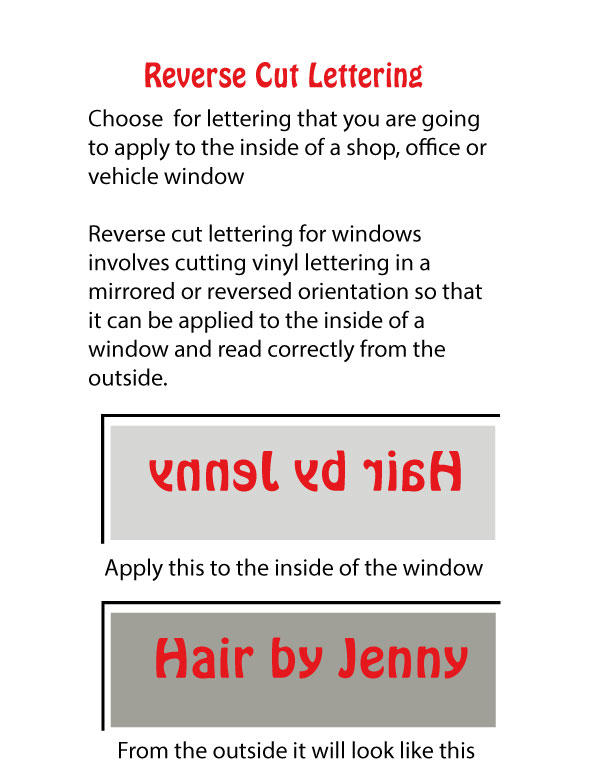
Vinyl lettering and applied graphics are another practical option for windows, doors and external glazing. They can display opening hours, logos, directional text or promotional messaging without the need for a full rigid panel. Used well, they make a frontage look clean and professional.
Choosing the right material for the job
Material affects lifespan, appearance and price, so this is where a lot of buying decisions are made. There is rarely one perfect option for every site.
Corrugated plastic is often chosen for temporary use, event signage, site boards and short-term promotions. It is lightweight and cost-effective, which makes it useful when signs may need replacing after a campaign or project phase. The trade-off is that it is not the strongest long-term choice in exposed locations.
Foamex and other PVC boards give a cleaner, more solid finish and suit a wide range of general business signage. They are popular for wall-mounted signs, promotional boards and branded displays. For many small businesses, this is a sensible middle ground between cost and presentation.
Aluminium composite boards are a stronger option for permanent or semi-permanent outdoor use. They offer good durability, a professional finish and reliable weather resistance, which makes them suitable for fascia panels, estate signage, directional signs and more demanding exterior environments.
Banners remain a strong option where flexibility matters more than rigidity. If the message changes regularly or the sign only needs to be up for a defined period, banner material often gives better value than a fixed board.
The right answer depends on exposure and expectations. A sign fixed to a sheltered wall outside a salon is dealing with different conditions from one mounted near a coastal car park or on open industrial fencing.
Design matters more outside
People do not read exterior signage in ideal conditions. They are walking, driving, carrying bags, looking through rain or glancing from across a road. That means simple design tends to perform better than crowded layouts.
Start with one clear purpose per sign. If the sign is meant to identify your business, make the business name the priority. If it is meant to direct visitors, lead with the arrow or instruction. Trying to combine branding, price lists, contact details, opening times and five separate messages on one panel usually reduces the impact of all of them.
Text should be brief and easy to scan. Contrast matters. Dark text on a pale background, or the reverse, is usually easier to read than low-contrast colour combinations. Decorative fonts may suit some brands, but they often become hard to read at distance. For outdoor use, clarity usually wins.
Image quality matters too. If you are uploading your own artwork, it needs to be set up correctly for print. A logo taken from a social media profile picture is unlikely to reproduce well on a large sign. If you do not have print-ready artwork, it is better to sort that early than approve something that will look poor once produced.
Matching the sign to the location
A sign can be well made and still fail if it is in the wrong place. Outdoor signage should be planned around sightlines, approach routes and likely viewing distance.
For roadside visibility, the key issue is readability at speed. That generally means fewer words, larger text and a layout that can be understood in a glance. For entrances and reception points, the sign needs to reassure visitors that they are in the right place. For sites with multiple buildings or access rules, a sequence of signs often works better than one overloaded board at the gate.
Retail premises need to think about both long-distance visibility and close-up detail. A fascia may carry the brand, while window graphics and pavement signs handle offers, opening times or services. On industrial or trade premises, directional and safety signage often needs to work alongside branding rather than compete with it.
There can also be practical restrictions. Fixing options, landlord requirements, pavement width and local planning considerations may affect what is suitable. That is another reason to choose signage based on real use rather than a generic style.
Temporary or permanent?
This is one of the most useful questions to answer before ordering. If the message is likely to change within weeks or months, a lower-cost short-term sign often makes more sense than investing in a premium permanent panel.
Seasonal promotions, event branding, opening announcements and development boards are often better handled with banners or economical rigid signs. Business identification, wayfinding, parking control and site rules usually justify a more durable product.
There is also a middle ground. Some businesses keep their main external branding permanent and use changeable signs for promotions. That approach often gives better value over time because the base signage stays consistent while campaigns can be updated as needed.
Ordering outdoor business signs without slowing the job down
Most customers are not looking for a complicated signage process. They want the right product, the right size and a design that prints properly. That is why straightforward ordering routes matter.
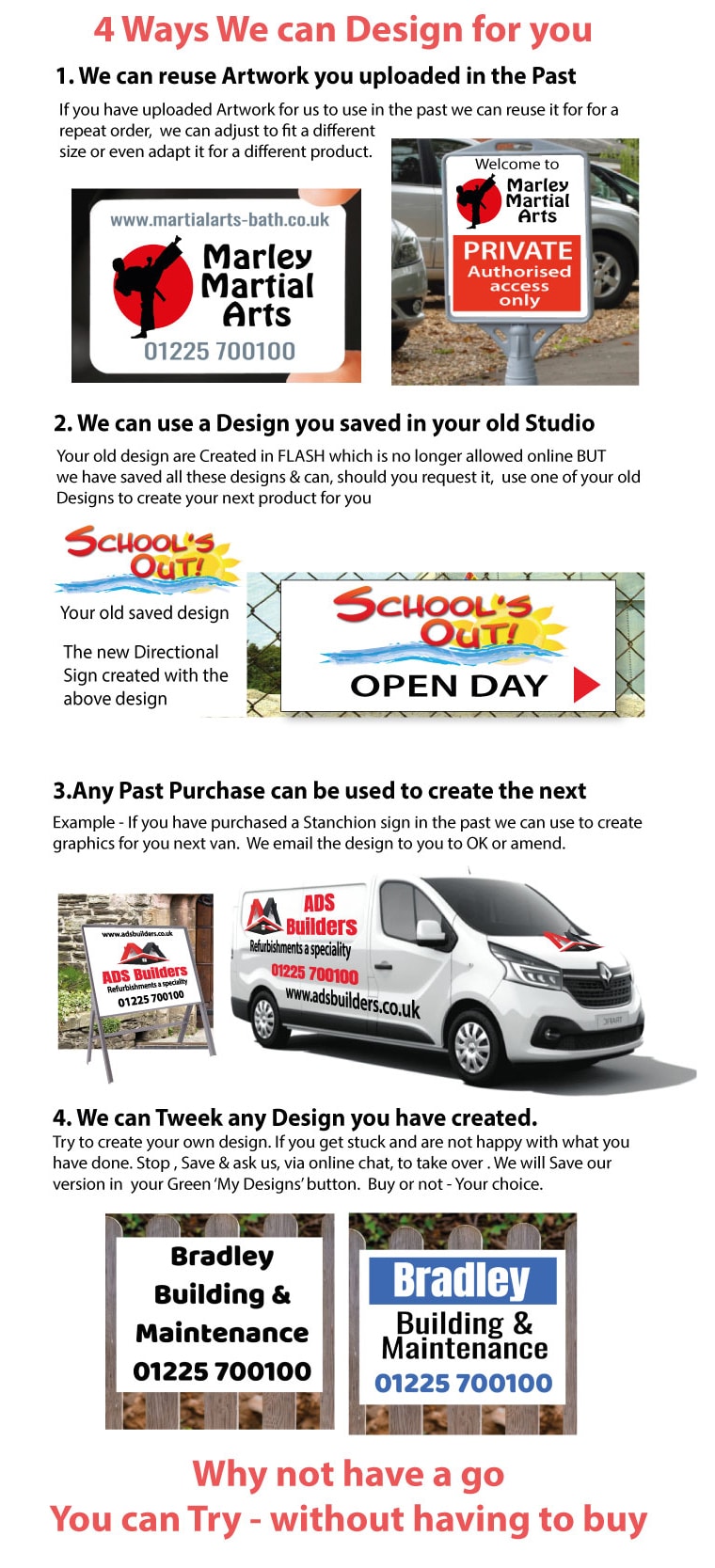
If you already have artwork, uploading a finished design is usually the quickest route. If you need a simple sign built from scratch, online design tools can help you get moving without agency input. If the project is more specific, such as multi-sign site branding or repeat orders across vehicles, premises and safety notices, a quote-led route is often more efficient.
The practical advantage of using one supplier for multiple sign types is consistency. Colours, branding and messaging are easier to manage when your rigid signs, banners, vinyl lettering and magnetic signs are all being prepared within one production workflow. For busy businesses, that saves more than money. It saves admin.
Good outdoor signage does not need to be complicated. It needs to be clear, durable and suited to the site it is going on. If you start with the job the sign has to do, the right product choice usually becomes much easier.