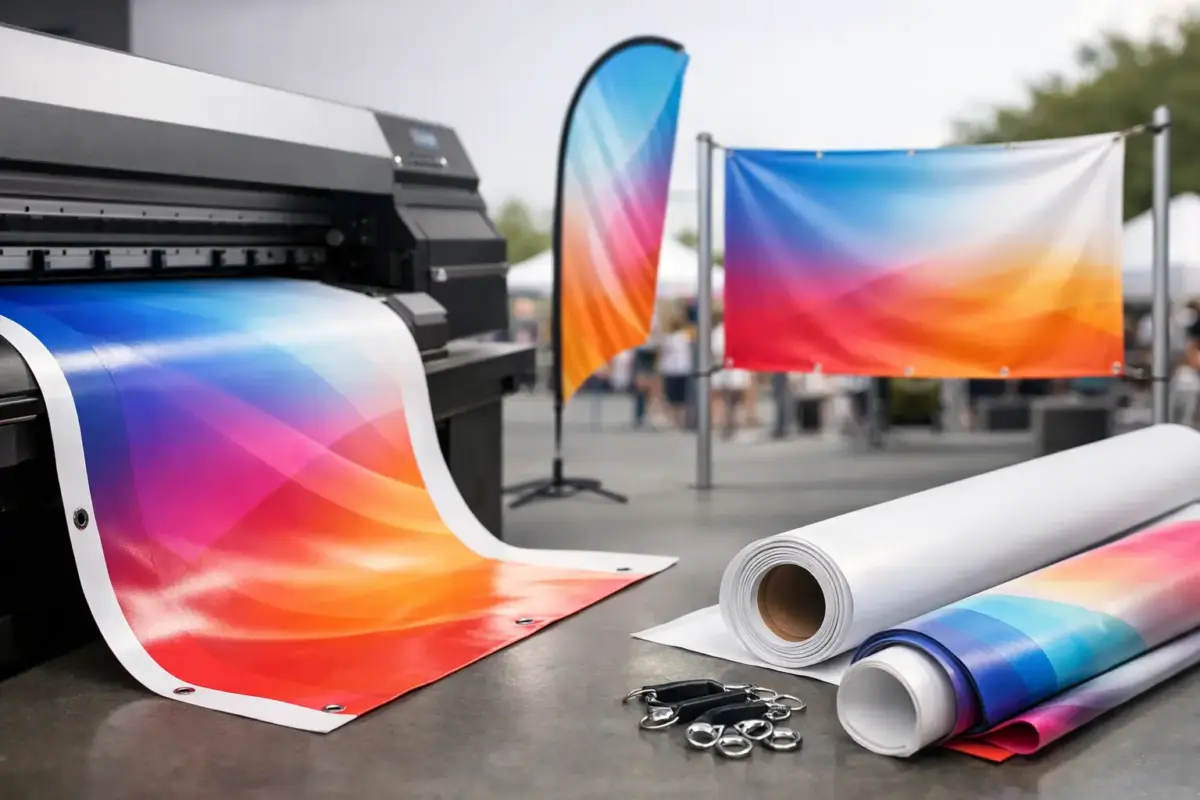
A banner has a short window to do its job. On a busy roadside, outside a trade counter or across an event entrance, people need to read it in seconds. The right banner printing options make that easier: the material suits the location, the size suits the viewing distance, and the fixing method keeps the banner secure for the length of the job.
For a weekend promotion, a temporary site notice or a regular programme of events, the best choice is rarely just the cheapest format. Weather exposure, wind, available fixing points and the amount of information you need to show all affect the result. Choosing these details before artwork is produced avoids a banner that looks good on screen but underperforms when installed.
Start with where the banner will be used
Indoor banners are usually protected from rain, wind and prolonged sunlight, so the main concerns are appearance, space and how the display will be fixed. A reception area, retail floor or exhibition stand may suit a smooth, close-range banner with strong brand colours and finer detail.
Outdoor use calls for a more practical approach. A banner fixed to fencing, scaffolding or railings must cope with changing weather and repeated movement. It needs suitable reinforcement around the edges and enough eyelets to spread the load across the fixing points. If it will be exposed for months rather than days, durable materials and a simple, high-contrast design become more valuable.
Also consider whether the banner is viewed by pedestrians, passing traffic or people approaching a venue. A message intended for drivers needs larger text and fewer words than a banner read from a pavement a few metres away. A phone number, website address or detailed offer may be useful, but only if the audience has enough time to take it in.
PVC banners for everyday outdoor display
PVC is the standard choice for many promotional, construction and event banners. It is hard-wearing, weather-resistant and capable of producing bold full-colour graphics. For retailers, tradespeople, schools, clubs and site managers, it is a dependable option where clear messaging matters more than a premium fabric finish.
A standard PVC banner works well on fences, walls, railings and temporary frames. It can carry logos, photographs, prices, directional information and safety messages, making it useful for everything from a sale announcement to a compound notice. Finished with hems and eyelets, it is straightforward to install using cable ties, bungee cords or other appropriate fixings.
The trade-off is wind. A solid PVC face catches the full force of airflow, particularly when fitted across an open fence line. It is ideal in sheltered locations or where the banner is securely fixed, but it may not be the best material for a particularly exposed position.
Mesh banners for windy locations
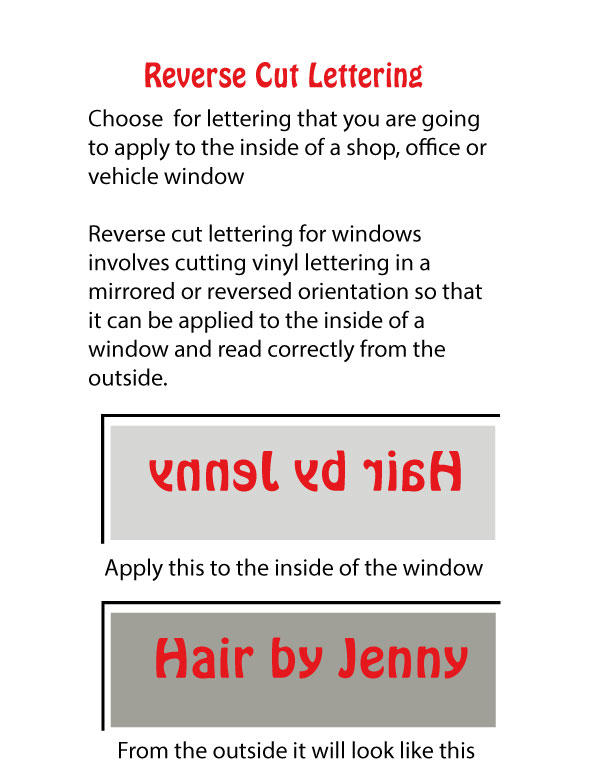
Mesh banners are designed with small perforations that let air pass through. From a normal viewing distance, the printed image and message remain clear, while the reduced wind resistance puts less strain on the banner and its fixings.
This makes mesh a sensible choice for Heras fencing, scaffolding, sports grounds and exposed building sites. It is often used where a long run of banners is needed to provide screening, site branding or safety information without creating a large solid surface for the wind to push against.
There is a practical compromise. Because the material is perforated, colours may appear slightly less dense than they do on solid PVC, especially when viewed close up. For most outdoor site uses this is not a concern, but fine detail and very pale text should be avoided. Use strong contrast, bolder typefaces and uncomplicated layouts to get the best result.
Fabric and display banners for indoor promotions
Where appearance and portability are the priority, fabric and display-style banners can be a better fit. These are well suited to exhibitions, presentations, hospitality spaces, indoor events and branded backdrops. They have a softer finish than PVC and can look more at home in customer-facing interiors.
The exact display format matters as much as the print material. A freestanding pull-up banner is useful when you need a self-contained message that can be moved between locations. A fabric panel or hanging banner may suit a larger backdrop, provided there is a suitable frame or fixing point.
These options are not automatically better than PVC. They are designed for different conditions. If the banner will live outside a depot entrance through a British winter, choose an outdoor-rated product. If it is travelling to a series of exhibitions, portability, storage and a professional close-up finish may matter more.
Size, orientation and viewing distance
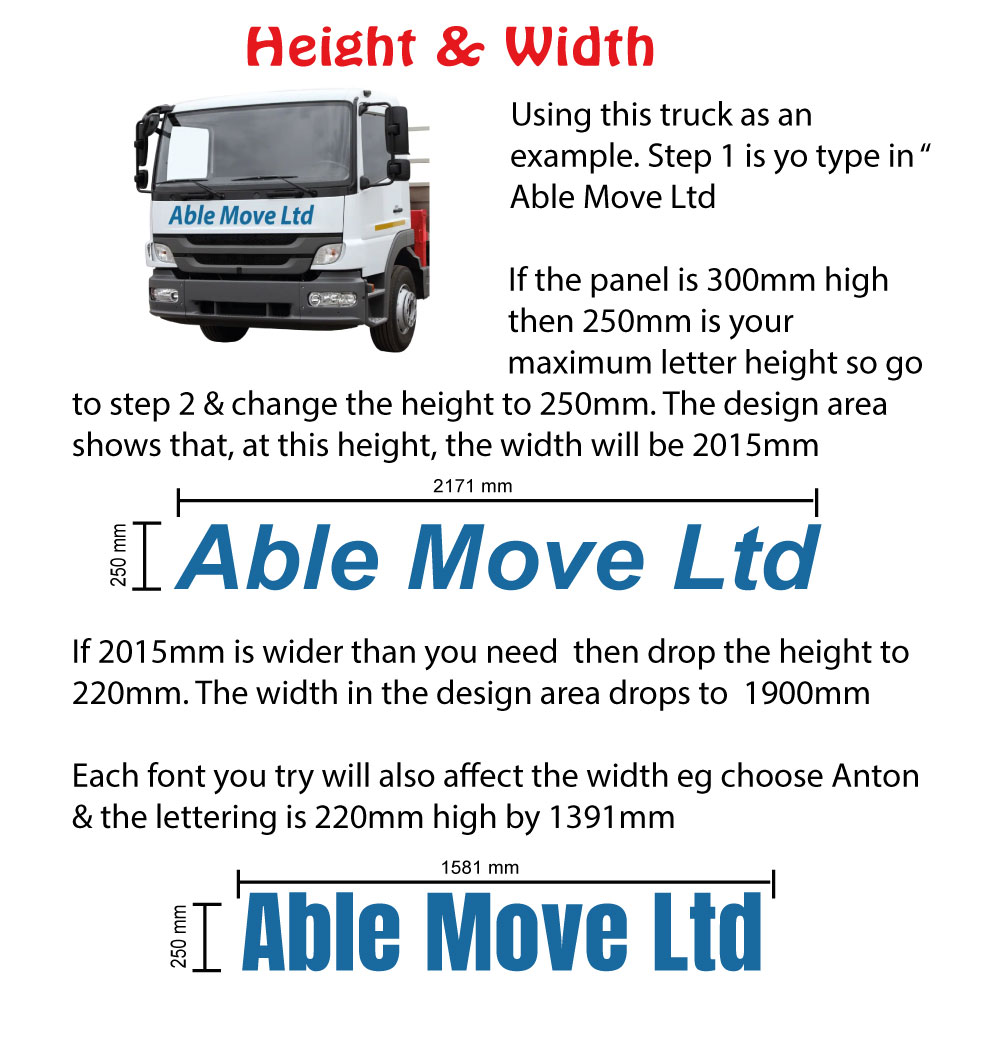
Before selecting a size, measure the available space and stand where the audience will stand. A banner that fills a large wall may be easy to read from across a car park, while a smaller version can be lost against fencing, brickwork or competing signs.
Landscape banners are often used along railings, above entrances and across fencing. Portrait formats can work well beside doorways, at event check-in points or where wall space is narrow. There is no fixed rule, but the layout should follow the structure it is being attached to rather than fighting against it.
Keep the main message prominent. A useful hierarchy is a logo or business name, one clear headline, then the action you want people to take. For example, an event banner may need the event name, date and direction of entry. A trade banner may need the company name, core service and contact details. Trying to include every service, social media handle and qualification usually makes the banner harder to read.
Finishing details that affect installation
The finish is what turns printed material into a usable banner. Hems reinforce the edges, helping the banner withstand tension. Eyelets provide fixing points, usually positioned around the perimeter. Larger banners, and banners installed outdoors, benefit from enough eyelets to keep tension even and reduce flapping.
For a fence or railing, eyelets are generally the most flexible option. For a frame, rail or display system, pole pockets may be more appropriate. These are sleeves formed at the top, bottom or both edges so a pole can pass through the banner. If you know how the banner will be installed, specify it before production rather than trying to adapt the finished item on site.
Do not pull a banner drum-tight. A small amount of controlled give helps it cope with movement, but it should not sag or flap excessively. Check fixings regularly, particularly after strong winds. Cable ties are convenient for short-term use, while bungee cords can allow more flexibility on outdoor fence installations.
Artwork choices that print clearly
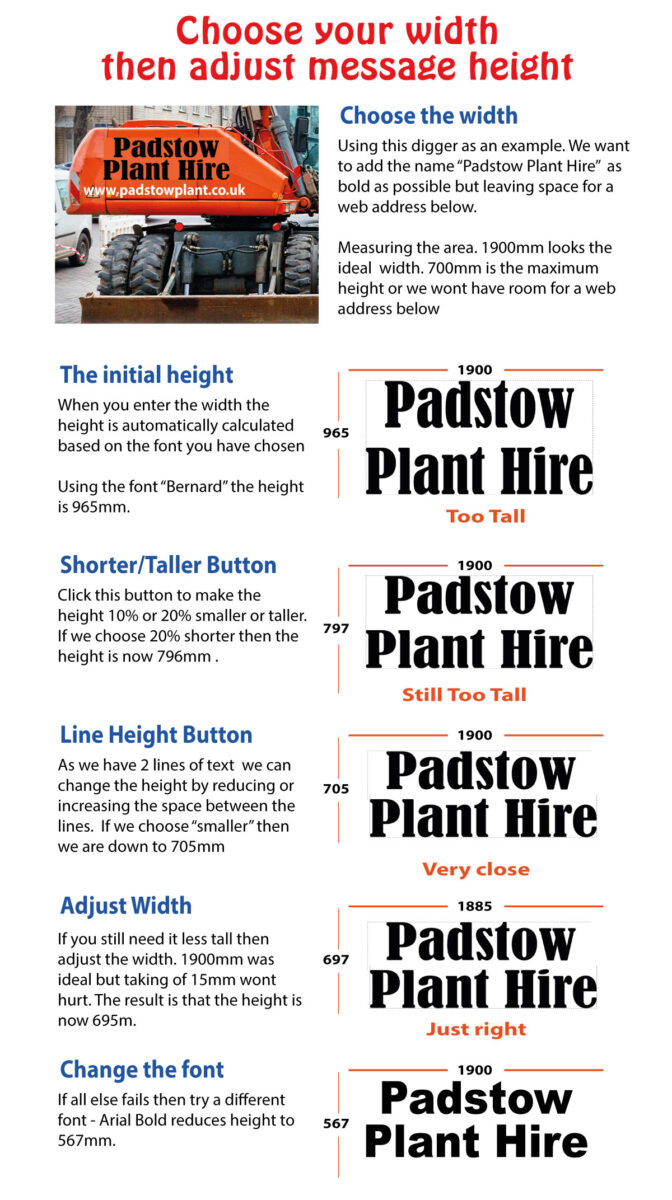
A good banner design is built for distance, not for a desktop monitor. Use high-resolution logos and images, avoid thin text, and leave a clear margin around the edges so essential information does not sit too close to hems or eyelets. Dark text on a light background, or light text on a dark background, is usually easier to read than colours with similar tones.
If you are supplying artwork, make sure the file is sized correctly or produced at a sensible scale. Vector logos are particularly useful because they stay sharp at larger sizes. Photographs need sufficient resolution, otherwise they may look soft or pixelated once enlarged.
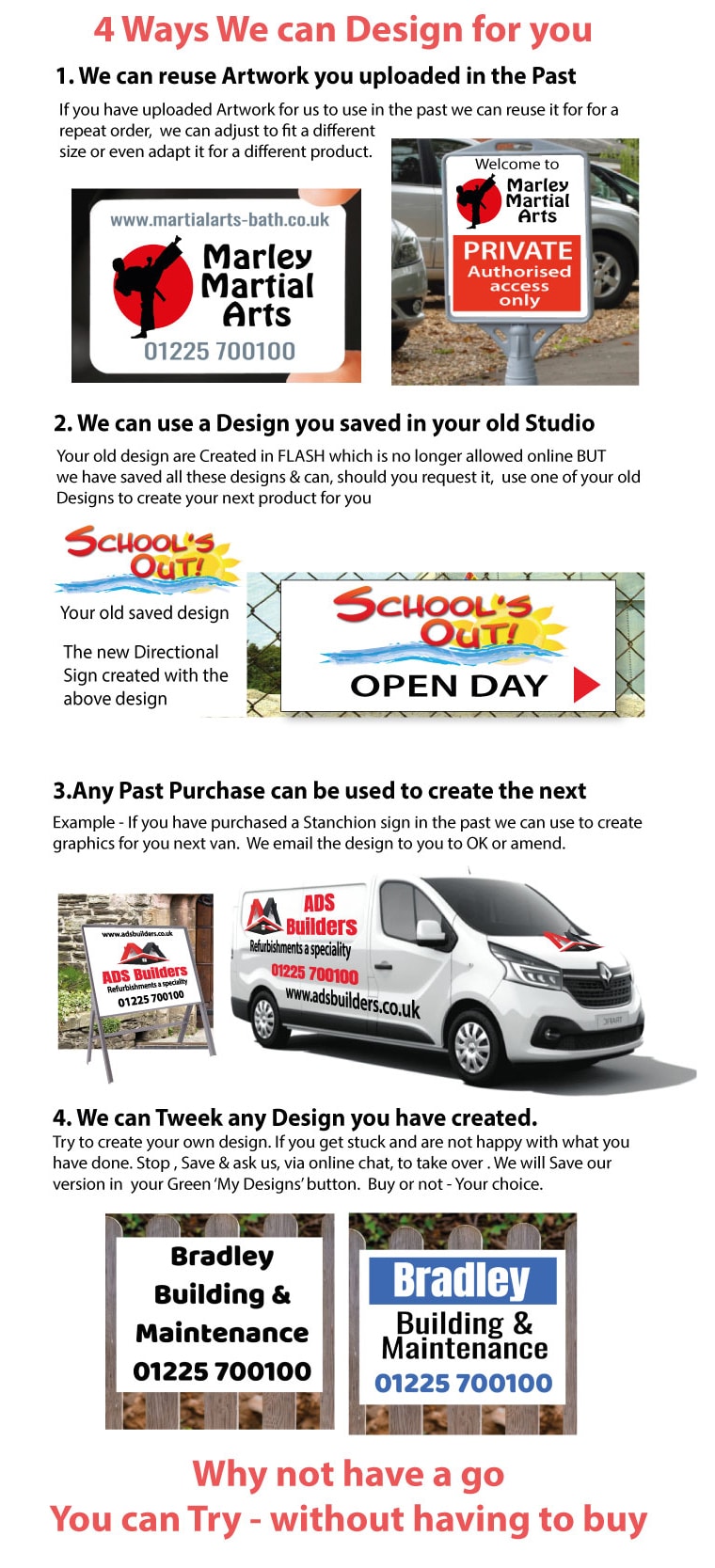
If you do not have finished artwork, starting with a simple layout is often the quickest route. Use an online design tool for straightforward text-and-logo banners, upload your own design where it is ready to print, or request design assistance for a more bespoke requirement. Artwork checking is useful, but it cannot turn a small, low-quality image into a crisp large-format graphic.
Choosing banner printing options by job
For a short retail offer, standard PVC with eyelets is usually cost-effective and quick to fit. For a long fence run on an exposed site, mesh is the more sensible choice. For an indoor open day or exhibition, a portable display banner may give a cleaner presentation and be easier to transport and reuse.
For recurring promotions, order sizes that can be used again at different locations and retain your approved artwork for re-orders. This keeps future campaigns consistent and reduces the time needed to get signage into production. The SignBuilder can support simple online designs, supplied print-ready files and requests for help, depending on how much preparation you have already done.
The most effective banner is the one matched to its actual job. Measure the space, think about wind and viewing distance, keep the message focused, then choose the material and finish that will still look the part once it is installed.