A logo that looks sharp on day one but cracks after a few washes is a false economy. When choosing printed t-shirts versus transfers, the right option depends on the garment, the artwork, how often it will be worn and the job it needs to do. A promotional shirt for a one-day fundraiser has different requirements from branded workwear worn through a busy week.
The terms are often used interchangeably, which can make ordering harder than it needs to be. Both methods can produce professional branded clothing, but they apply colour to fabric in different ways. Understanding those differences helps you choose a finish that suits your team, budget and deadline.
What is the difference between printed t-shirts and transfers?
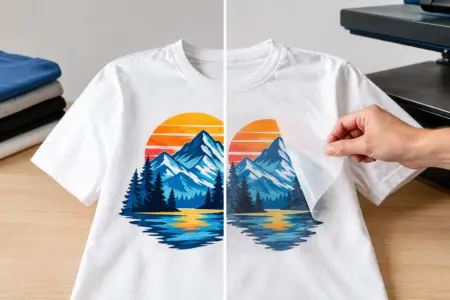
Direct garment printing applies ink to the fabric itself. Depending on the production method and garment colour, a base layer may be added first so the design remains bright and clear. The result is usually soft to the touch, particularly on light cotton t-shirts with detailed artwork.
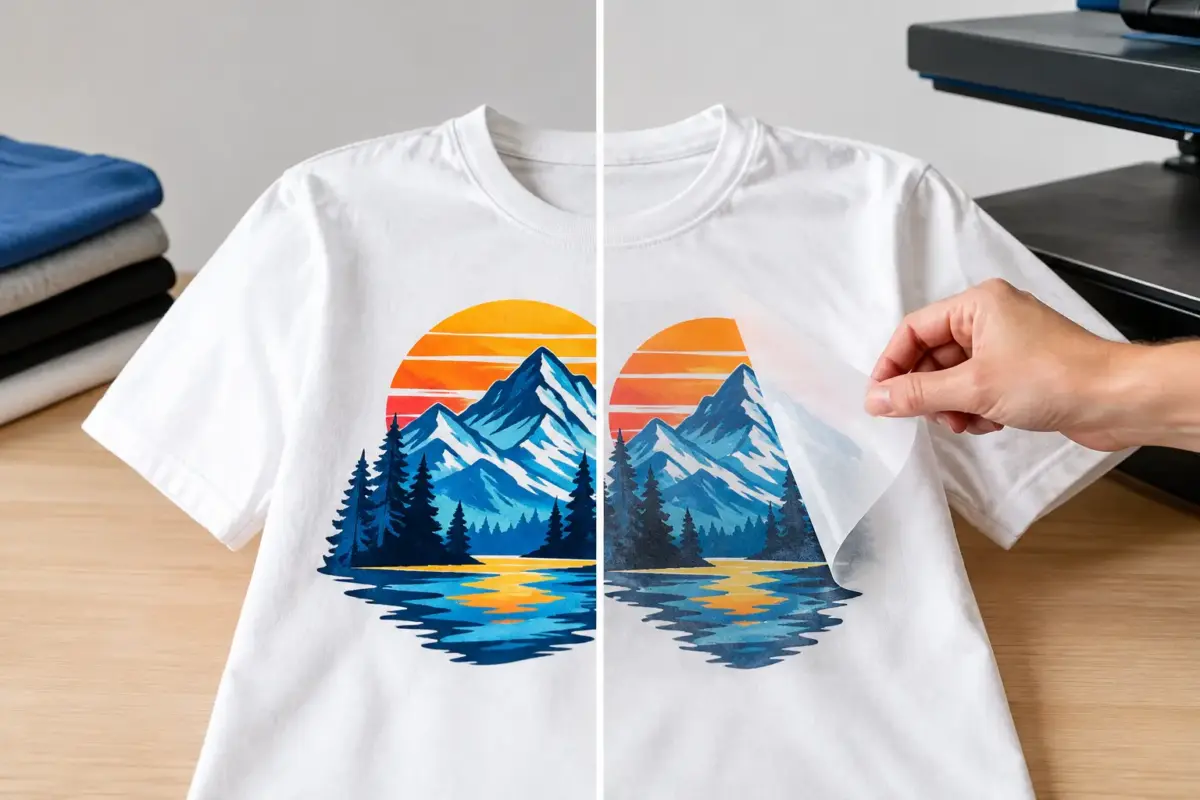
A transfer is produced separately, then applied to the garment using heat and pressure. The design sits on the surface of the fabric as a bonded layer. Modern transfers can reproduce full-colour logos, fine lines and small text very accurately, making them a practical choice for many business and event garments.
Neither option is automatically better. The useful question is: what will this garment be used for? A small left-chest logo on a polo shirt, a large back design for a charity walk and individually named staff t-shirts may each call for a different approach.
Printed T-Shirts Versus Transfers: the practical comparison
Feel and appearance
Printed designs generally have a more integrated feel because the ink becomes part of the garment surface. On suitable fabrics, this can be ideal for larger illustrations, photographs and designs where a soft finish matters. It works particularly well for casual retail clothing, creative event merchandise and light-coloured cotton garments.
Transfers create a defined printed layer. Depending on the artwork and application, this can have a smooth, slightly raised or more noticeable feel. For straightforward logos, names and bold graphics, that finish is often exactly what is needed. It gives colours strong coverage and clean edges, including on darker garments.
If your artwork includes photographic detail, tonal shading or several colours, either method may be suitable. The garment material and required finish should guide the decision rather than colour count alone.
Durability in working use
Durability is not simply a contest between ink and transfer film. It depends on the quality of the garment, preparation of the artwork, application temperature and how the item is washed. A correctly produced transfer can stand up well to regular wear, while a printed design needs the right fabric and care routine to perform as intended.
For workwear, think about the environment before choosing. Tradespeople and site teams may need garments washed frequently, exposed to dust or worn beneath outer layers. Hospitality staff may need a clean, consistent presentation across a large team. Event staff may only wear their shirts for a few days. The expected workload matters more than choosing on appearance alone.
In most cases, wash garments inside out at the recommended temperature, avoid harsh bleach and do not iron directly over the design. Heat from a tumble dryer can shorten the life of any applied decoration, particularly if garments are dried on a high setting.
Fabric compatibility
T-shirt fabric is one of the biggest deciding factors. Cotton is often well suited to direct printing and provides a natural, comfortable finish. Polyester, performance fabrics and mixed-fibre garments may be better suited to transfers, especially where colour vibrancy and reliable adhesion are priorities.
This matters for sports tops, lightweight workwear and garments selected for moisture management. Applying the wrong method to the wrong material can affect appearance and longevity. If you are ordering clothing for a mixed team, check whether everyone will wear the same garment style or whether the decoration must work across several fabrics.
Artwork and placement
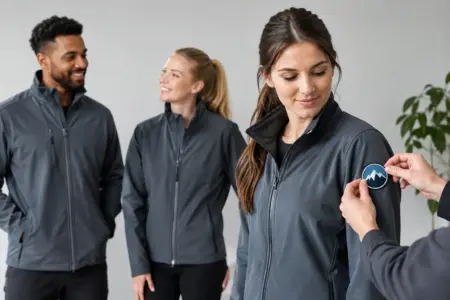
Transfers are especially useful for small, precise graphics. They can handle a compact chest logo, individual names, numbers and designs with fine detail without requiring a large print area. This makes them efficient for staff uniforms, clubs and one-off personalised garments.
Direct printing is often a strong choice for larger, more artistic designs where the image is intended to be the main feature of the t-shirt. It can offer a less heavy feel across a broad printed area, although results vary with garment colour, fabric and artwork.
Placement also affects the decision. A large central front print may suit a different process from a small sleeve mark or a back-of-shirt logo. Provide artwork at the best available quality and state the intended position clearly when placing an order. A clean vector logo is ideal for simple brand marks, while high-resolution files are important for detailed images.
Order quantities and repeat orders
For small runs, transfers can be a practical route because they allow flexible quantities and personalisation. Need ten t-shirts with the same company logo but different staff names? Transfers can make that straightforward. They are also useful when replacing one or two items later, rather than ordering a full new batch.
For larger orders with the same full-colour design, direct printing may offer an attractive finish and consistent result, subject to the garment and artwork. However, there is no universal quantity threshold. The best value depends on print size, number of locations, garment choice and whether each item is identical.
If branded clothing is part of an ongoing requirement, keep approved artwork and sizing details consistent. This makes future re-orders quicker and helps maintain a professional look across new starters, seasonal staff and different sites.
Choose by the job, not just the price
A low unit price can be tempting, but it should not be the only measure. Consider how visible the logo needs to be, how many washes the garment is likely to receive and whether comfort is a priority. A busy café team, an electrical contractor and a local festival crew will not necessarily benefit from the same specification.
For a short-term promotion, event giveaway or campaign with variable names and sizes, a transfer may be the sensible option. It offers flexibility and clear colour reproduction without making a simple order unnecessarily complicated.
For branded t-shirts intended as casual merchandise or where a softer, fabric-led result is important, direct printing may be preferable. This is particularly relevant for broad front designs, artwork with subtle colour changes and cotton garments chosen for comfort.
For uniforms, practicality usually comes first. Choose a garment weight and fabric that suits the role, then select a decoration method that works reliably with it. A well-positioned, legible logo on a hard-wearing shirt will serve a business better than an elaborate design that is unsuitable for everyday use.
Avoid common ordering mistakes
The most common issue is treating a screen image as a print-ready file. Artwork that looks clear on a phone may be too small or compressed for garment production. Blurred edges, pixelated logos and unreadable small text can affect both printed designs and transfers.
Avoid placing important details too close to seams, collars, zips or pockets. These areas can interrupt the surface and make accurate application more difficult. It is also worth checking the contrast between your logo and the chosen garment colour. Dark artwork can disappear on navy, while pale details may need a supporting layer on darker fabrics.
Before ordering, confirm garment sizes, colours, logo positions and whether individual names or numbers are required. For teams, a simple size list with quantities reduces delays and prevents avoidable replacements. If you have existing vehicle graphics, signs or staff clothing, use the same approved logo file and brand colours to keep your presentation consistent.
Make the decision easier
There is no need to force every garment into one production method. Many businesses use transfers for personalised staff items and direct printing for promotional t-shirts or larger graphic designs. Matching the method to the garment’s purpose gives you a more useful result and better value over its working life.
If you are unsure, start with the basics: the garment fabric, the logo size, the number of items and how the shirts will be worn and washed. The SignBuilder can help turn those practical details into branded clothing that is ready for the job, whether you upload finished artwork, design online or need support preparing your order.