A site board that has to survive a wet winter has very different requirements from an estate agent’s short-term property sign or a one-week event direction sign. When comparing aluminium composite versus correx signs, the right choice comes down to how long the sign will be displayed, where it will be fitted and how much wear it needs to take.
Both materials are widely used for printed signs because they are lightweight, practical and suitable for custom graphics. However, they are built differently. Choosing the lower-cost option for a long-term outdoor location can mean replacing it sooner than planned, while specifying a permanent board for a brief campaign can add unnecessary cost.
What is an aluminium composite sign?
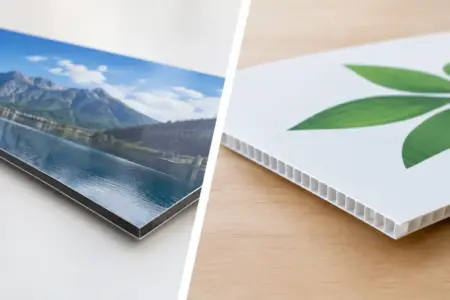
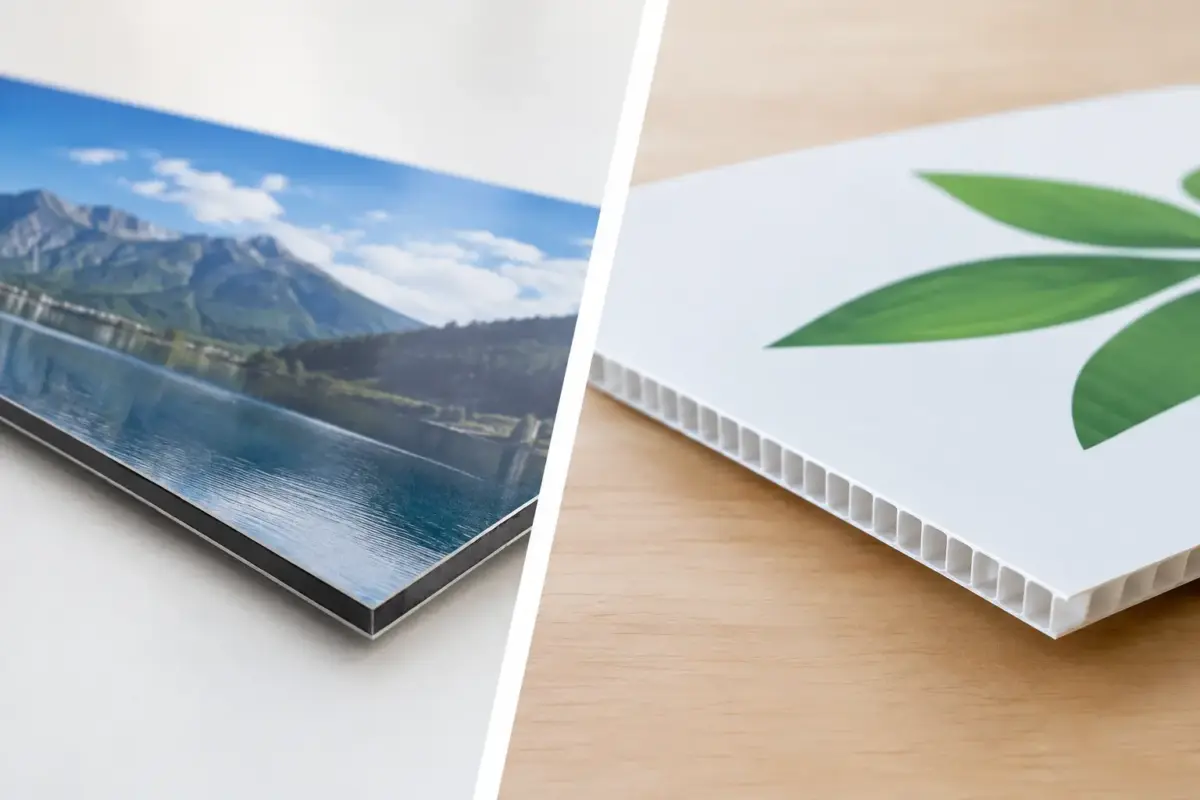
Aluminium composite material, often shortened to ACM, is a rigid panel made from a polyethylene core with thin aluminium faces. It is commonly supplied as a 3 mm board for signage. The aluminium outer layers give the panel a smooth, clean finish, while the core keeps it lighter than a solid metal sheet.
This is a dependable choice for business signs that need to stay put. Shop fascia panels, permanent parking notices, construction site information boards, property management signs, directional signs and branded panels are all common uses. It has a smart, professional appearance and holds its shape well when correctly fitted.
For outdoor signs, aluminium composite is often selected because it copes well with rain, changing temperatures and regular exposure to daylight. A printed finish may still fade over time in strong sun, particularly if the sign faces south, but the board itself is designed for longer-term use than temporary plastic signage.
Where aluminium composite works best
Use aluminium composite where a sign needs to look professional for the long haul. It is particularly suitable for a retail frontage, office entrance, trade premises, car park, industrial estate, school, leisure venue or managed property.
It is also a sensible option where the sign will be fixed to a wall, fence, post or frame and may be seen at close range. The flat surface gives logos, text and photographic graphics a crisp result. For businesses using the same branding across premises, vehicles, workwear and printed materials, it helps create a consistent finish.
What is a Correx sign?
Correx is a lightweight fluted polypropylene board. Inside the board are hollow channels, rather like a plastic version of corrugated card. This construction makes it inexpensive, easy to handle and suitable for short-term signage.
You will often see Correx signs outside properties, at building developments, on roadside verges, around events, at temporary sales areas and on construction fencing. It is weather-resistant enough for outdoor use, but it is not intended to offer the same lifespan or rigidity as aluminium composite.
The fluted structure is useful when a sign needs to be fitted quickly. Depending on the orientation of the flutes, it can be attached to stakes or supported with suitable fixings. Its low weight also makes it straightforward to transport, position and replace when a campaign, event or project changes.
Where Correx works best
Correx is the practical option when the message is temporary, time-sensitive or likely to change. A promotion, event timetable, directional sign, property board, short-term health and safety notice or site update does not always need a permanent panel.
It is also useful for businesses that need multiple signs across a large area while keeping costs controlled. For example, a developer may need several directional boards during a phase of works, or an event organiser may require parking and entrance signs for a single weekend. In these cases, the lower purchase cost and easier handling can matter more than maximum durability.
Aluminium composite versus Correx signs: the main differences
The biggest difference is lifespan. Aluminium composite is built for longer-term display, while Correx is designed for temporary and short-term use. A Correx board may remain serviceable for months in a sheltered location, but wind, repeated handling, bending and prolonged sunlight can reduce its appearance sooner. Aluminium composite is better placed for signs expected to remain in position for years.
Rigidity is the next consideration. Aluminium composite stays flatter and is less likely to flex in the wind. Correx is light and practical, but can bend if it is unsupported or fixed poorly. Large Correx signs need adequate support, especially in exposed areas.
There is also a difference in finish. Both materials can carry clear full-colour printing, but aluminium composite provides a firmer, smoother base that suits permanent branding and close-up viewing. Correx remains a clean, effective option for bold wording, arrows, logos and high-visibility temporary information.
Cost generally follows the material’s intended use. Correx is usually the more economical board, especially for short runs or temporary campaigns. Aluminium composite costs more upfront, but may represent better value when replacing a faded, damaged or bent temporary sign would be disruptive or more expensive over time.
Choosing the right board for your location
Start with the job rather than the material name. Ask how long the sign needs to stay in place, how exposed the location is and whether the information is likely to change.
For a sheltered indoor area, either board may work. Correx can be a cost-effective choice for temporary displays, warehouse messaging or event signage. Aluminium composite is worth considering indoors where a sign forms part of a permanent reception, retail or workplace presentation.
For an outdoor location, consider wind as well as rain. Correx is weather-resistant, but its lightweight structure means it needs sensible fitting and support. A small temporary board on a sheltered fence is very different from a large sign on an exposed roadside. Aluminium composite is usually the safer choice for bigger panels, high-traffic areas and long-term exterior displays.
If the message changes frequently, Correx can keep updates simple. A construction project may need changing site access instructions, contractor details or marketing messages at different stages. If the sign is likely to be replaced in a few weeks or months, paying for a longer-life board may not be necessary.
Fixing matters as much as the material
Even the right sign board can fail if it is fitted without enough support. Aluminium composite is commonly drilled and fixed with screws, sign stand-offs or suitable clips, depending on the surface. Allow for enough fixing points across the panel so it remains secure and flat.
Correx can be screwed, cable-tied or secured to suitable supports, but avoid over-tightening fixings. Crushing the flutes can distort the face of the sign. For a clean result, use washers where appropriate and make sure the board is supported across its size rather than relying on one or two points.
Before ordering, measure the available fixing area and check for practical restrictions. A wall-mounted sign may need pre-drilled holes in specific positions. A fence sign may need cable ties. A post-mounted sign may need a backing board or frame. Planning this before production avoids trying to adapt the wrong material on site.
Print design tips for both materials
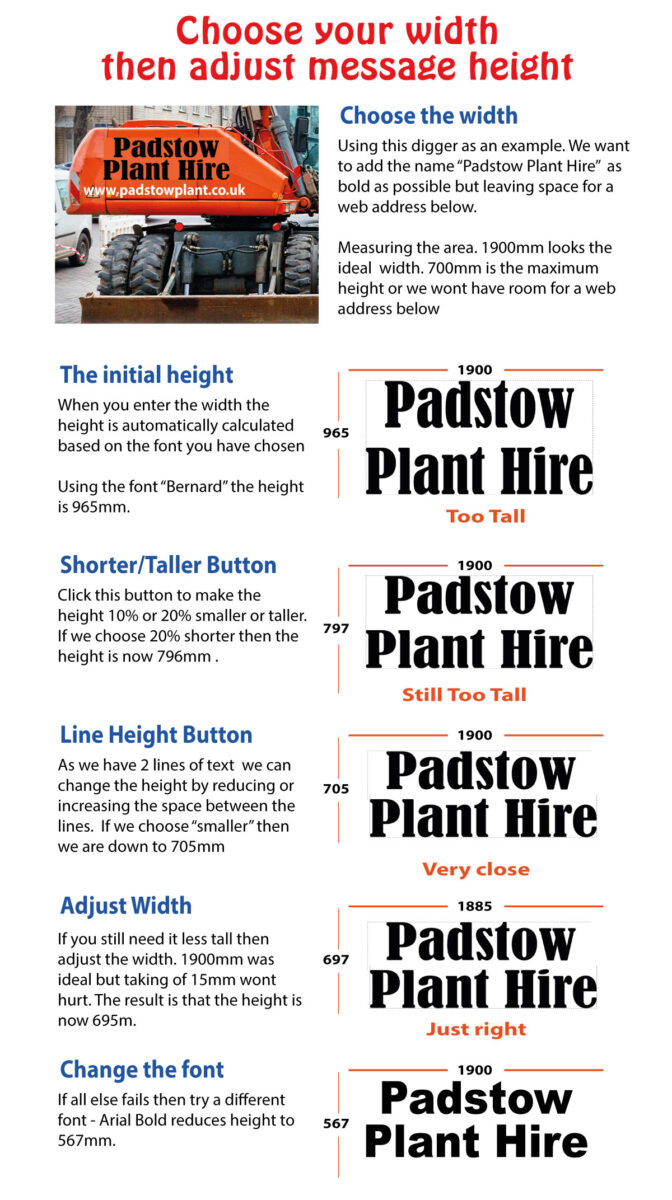
Material choice will not compensate for a crowded design. For roadside, site and directional signs, use a clear hierarchy: the key message first, then essential contact details or instructions. Large text, strong contrast and straightforward arrows are usually more effective than a busy layout.
Keep important wording away from the edge of the board, particularly where holes or fixings are required. If a sign will be viewed from a distance, a phone number or small paragraph of text may be less useful than a clear service name, logo and web address.
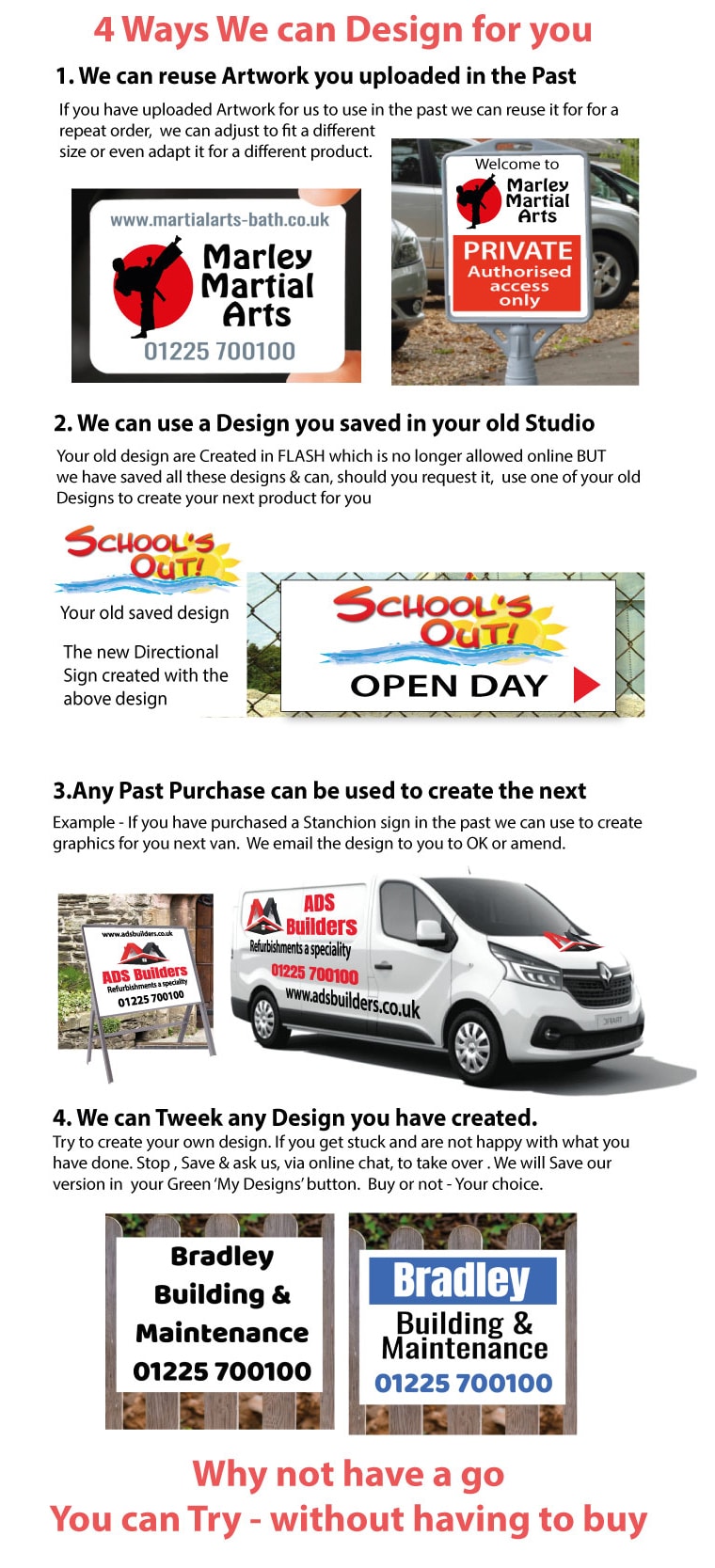
Artwork should be supplied at the correct size and in a suitable quality for print. If you are not working from a finished design, a clear brief with your logo, wording, preferred colours, dimensions and intended use will help produce a sign that suits the job. The SignBuilder offers practical routes to design online, upload your own design or request help with your artwork.
A straightforward way to decide
Choose Correx when the sign is temporary, needs to be lightweight or must keep initial costs down. It is well suited to short-term promotions, property signs, event notices and changing site information.
Choose aluminium composite when the sign needs to stay flat, stand up to regular outdoor exposure and represent your business over a longer period. It is the stronger fit for permanent premises signs, parking information, branded panels and fixed site signage.
For signs that sit somewhere between the two, consider the cost of replacement rather than the purchase price alone. If a Correx sign will be changed soon, it is doing exactly the job it was made for. If the message needs to remain clear and professional season after season, aluminium composite is usually the more practical investment.
A well-chosen board saves time on site, keeps your message visible and makes the next order easier to plan.