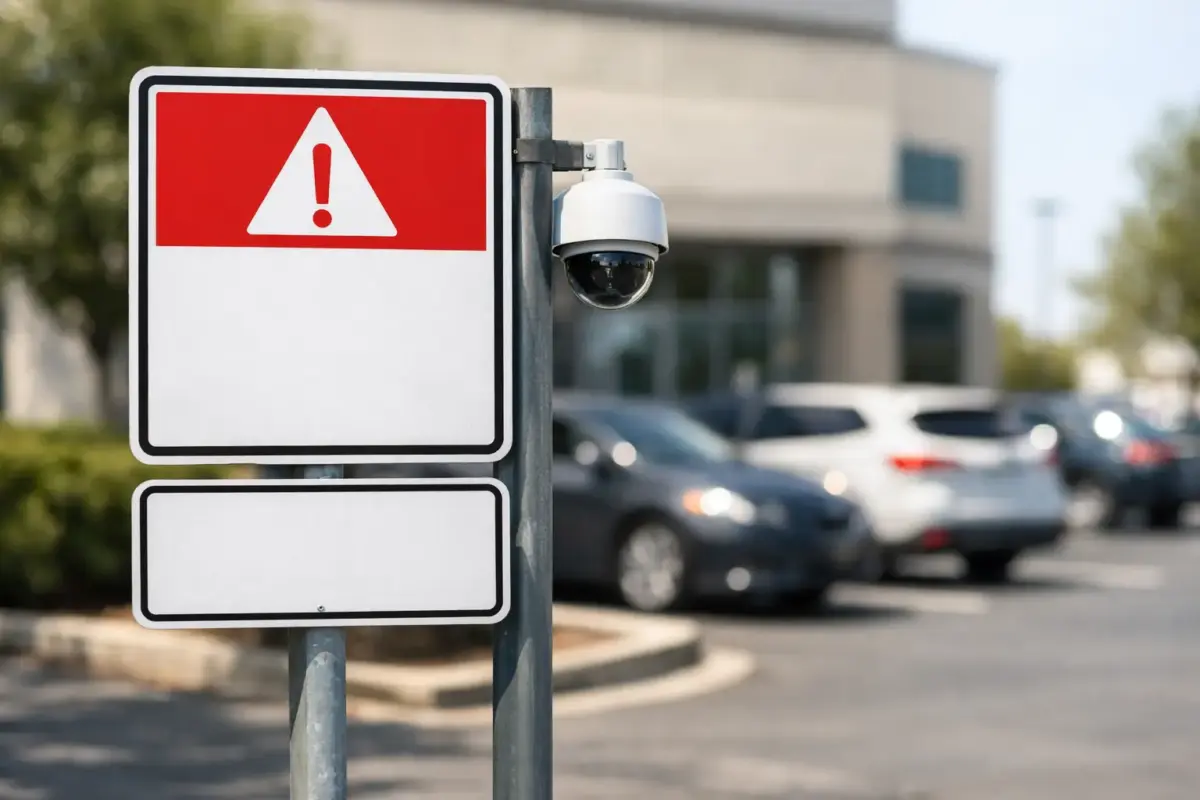
A poorly placed parking sign creates the same problem it was meant to prevent: drivers miss the instruction, park where they should not, and your team is left dealing with complaints. This guide to parking notice signs helps you choose wording, materials and positioning that make the rules clear before a vehicle is left on site.
For businesses, housing developments, schools, hospitality venues, trade yards and private estates, parking notices are practical site-management tools. They can reserve bays, protect access routes, direct visitors and set out the conditions for using private land. The right sign is visible, specific and suited to the environment it will face.
Start with the parking problem you need to solve
Parking signs work best when they deal with one clear issue. A sign for a visitor bay needs different wording from one at a loading area or a staff-only car park. Trying to put every rule on one board can make the important instruction harder to read.
Begin by identifying who is allowed to park, where they may park and when restrictions apply. For example, a retail site may need to keep customer spaces free during opening hours, while a warehouse may need to prevent vehicles blocking roller shutters, fire exits or lorry access. A residential site may need marked permit-holder bays and clear visitor parking instructions.
Your message should answer the driver’s immediate question: can I park here? If the answer is yes, explain the conditions. If the answer is no, say who the area is for and what action is required. Direct wording such as “Staff Parking Only”, “Keep Clear – Delivery Access” or “Visitor Parking – Please Report to Reception” is usually more effective than vague warnings.
Choose the right type of parking notice sign
The most suitable sign depends on the location, duration of the restriction and how much information drivers need before parking. Permanent rules normally need rigid outdoor signs, while temporary changes may call for freestanding notices or short-term boards.
Reserved and restricted parking signs
Reserved bay signs are useful for staff, customers, disabled parking, electric vehicle charging, contractors or named spaces. They are often fixed to a wall, fence or post at the head of each bay, so there is no doubt about which space they apply to.
For restricted areas, use a concise instruction that can be read from a moving vehicle. “No Parking”, “No Overnight Parking” and “Authorised Vehicles Only” are familiar messages. Add the relevant detail beneath, such as access times, permit requirements or contact instructions, where it is necessary.
Private car park terms and enforcement notices
If you manage private land and use parking controls, the entrance sign needs particular care. Drivers should be able to see that they are entering private property and understand the main conditions before they park. Further signs around the site can provide fuller terms, payment requirements, time limits or permit instructions.
A sign alone does not give a business the right to issue official fines. Private parking arrangements, parking charges and enforcement processes can involve legal and contractual considerations. If you use an operator or intend to apply charges, make sure your wording, site layout and procedures are checked against the requirements that apply to your arrangement. Do not rely on an unclear notice as a substitute for proper authority or process.
Access, loading and safety notices
Some parking controls are about keeping the site operational rather than managing bays. Loading doors, turning circles, emergency access routes and gates need to remain clear. In these locations, a bold “Keep Clear” sign can be more useful than a long explanation.
Where safety is involved, add a specific reason if it will improve compliance, such as “Keep Clear – Fire Exit” or “No Parking – Emergency Vehicle Access”. Use signs alongside ground markings, barriers or designated bays where appropriate. A notice is strongest when the physical layout supports the instruction.
What clear parking sign wording looks like
Good wording is short, readable and difficult to misunderstand. Put the main instruction first, then include the details that affect whether a driver can use the space. Avoid internal jargon, abbreviations that visitors will not recognise and statements that could apply to several different areas.
A practical format is:
Main instruction: “Permit Holders Only”
Who it applies to: “Valid permit must be displayed”
When it applies: “At all times” or “Mon-Fri, 8am-6pm”
What to do next: “Report to reception for a visitor permit”
Not every sign needs all four elements. A small sign at a clearly marked staff bay may only need “Staff Parking Only”. An entrance notice for a controlled private car park may need more detail, including payment, registration or contact information.
Be careful with terms such as “fines”, “penalties” and “tickets”. They can imply powers your organisation does not hold. Where wording has legal consequences, obtain appropriate advice rather than copying a notice from another site.
Make the sign visible before it matters
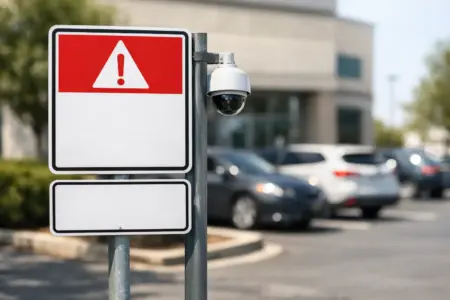
A parking notice that is technically present but hidden behind a parked van, hedge or open gate will not manage behaviour well. Place signs where drivers can see them on approach, at the point of decision and, where needed, beside the relevant bay or restricted area.
Entrance signs should be high enough to remain visible but low enough for the key text to be read from a vehicle. Signs at individual spaces should face the direction from which vehicles enter. If the car park has more than one entrance, repeat the main rules at each one. Large sites may also need reminder signs near payment machines, visitor routes and exits.
Think about daylight, poor weather and the angle of approach. High-contrast colours and clear lettering matter more than decorative design. Black text on a pale background, or white text on a dark background, is generally easier to read than low-contrast colour combinations. Red can draw attention to a prohibition, but it should not replace plain language.
Select materials for the site conditions
For outdoor parking notices, rigid boards are usually the practical choice. Aluminium composite signs are widely used for their clean finish and weather resistance, while plastic boards can suit lighter-duty or shorter-term applications. The best material depends on where the sign will be fitted, expected lifespan and risk of impact or vandalism.
Consider the fixing method at the same time as the sign. A wall-mounted notice may need pre-drilled fixing holes, while a sign installed in open ground may require posts and suitable hardware. Fence-mounted signs need enough support to avoid bending or rattling in wind.
Size is equally important. A small sign can work at close range beside a bay, but it will not be readable at a site entrance. Larger signs cost more and need more mounting space, yet they often reduce confusion where vehicles approach at speed or from a distance. Match the sign size to the viewing distance, not simply the available wall space.
Keep the design consistent across the site
A car park feels easier to use when every notice follows the same visual system. Use consistent colours, type sizes, symbols and terminology for staff bays, visitor bays, disabled spaces, loading areas and restricted zones. Drivers learn the system quickly, and your site looks better managed.
Where your organisation has established branding, it can sit alongside the instruction without taking over the sign. The parking rule must remain the most prominent element. A logo is useful for identifying the site owner, but it should not make the notice harder to scan.
It is also worth checking your signs after installation. Walk or drive the route as a first-time visitor would. Can you see the entrance notice in time? Are individual bays marked clearly? Does a parked vehicle hide a key instruction? This simple check often identifies issues before they become repeated parking problems.
Ordering parking signs without slowing the job down
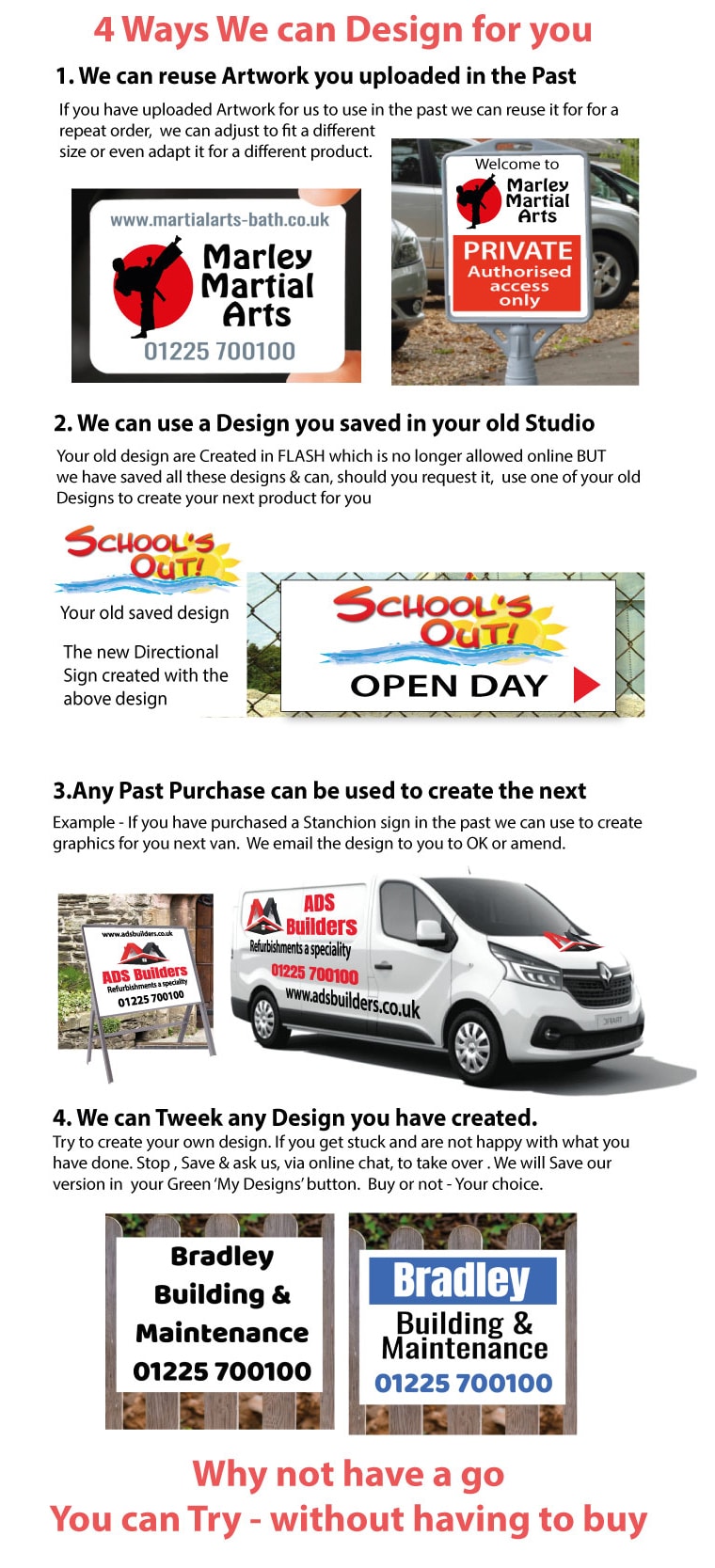
For standard messages, ready-made parking notice designs can be the quickest route. For site-specific rules, use a custom sign with your exact wording, opening hours, permit details or contact information. Supply print-ready artwork if you have it, design online where the layout is straightforward, or request assistance if you need a new sign prepared from scratch.
Before ordering, confirm the wording, quantity, size, orientation, material and fixing requirements. If several signs are needed across one location, create a small schedule showing each message and where it will be installed. This avoids ordering a batch of identical signs when individual bays need different labels.
A clear parking notice is a small investment in a smoother-running site. Make the instruction easy to see, easy to understand and suitable for the conditions on the ground, and drivers will have far less room for doubt.