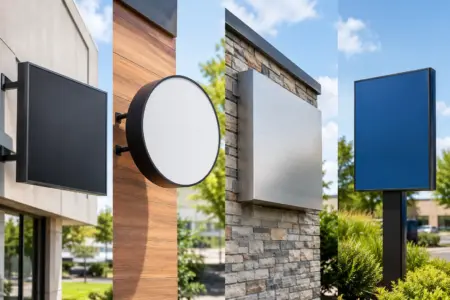
A faded shop fascia, curled site notice or cracked parking sign does more than look untidy. It can make directions harder to follow, weaken your brand presentation and leave essential information unreadable. Sign material lifespan is therefore a practical buying decision, not simply a question of choosing the lowest initial price.
The right material depends on where the sign will be used, how long it needs to remain in place and how much exposure it will face. A temporary event board and a permanent industrial estate sign have very different demands. Understanding those demands before ordering helps you specify signage that stays clear, professional and cost-effective for the job.
What affects sign material lifespan?
There is no single lifespan for every sign material. Indoor signs in a clean, stable environment can remain presentable for years, while outdoor signs face rain, UV light, wind, road grime, frost and accidental impact. A sign positioned on a south-facing wall may fade faster than the same product fitted in shade.
Print method, finish and installation also matter. Quality inks and a suitable protective laminate can improve resistance to sunlight, moisture and everyday cleaning. However, a well-printed panel can still fail early if it is fixed through weak points, mounted where water can sit behind it or exposed to more wind pressure than its thickness and fixings allow.
Handling is another factor. Signs on building sites, in loading areas and beside car parks are more likely to be knocked, scratched or splashed than a reception sign. It makes sense to choose a tougher substrate where replacement would disrupt operations or where the sign carries safety, access or compliance information.
Sign material lifespan by common application
The following guide gives sensible expectations for commonly used sign materials. Actual performance will vary with location, installation and maintenance, so treat any lifespan as a planning guide rather than a fixed guarantee.
PVC foam board for general indoor and short-term outdoor use
PVC foam board is a lightweight, economical rigid material used for display boards, estate agent signs, promotions, notices and general business signage. It prints well and is easy to fit, making it a useful option where clear messaging is needed without the cost or weight of a metal composite panel.
Indoors, it can provide a long service life when protected from repeated knocks and heavy moisture. Outdoors, it is better suited to short- to medium-term use. It can be affected by prolonged weather exposure, particularly where large panels are unsupported or exposed to strong wind. For a temporary offer, directional sign or site message, it is often a sensible choice. For permanent exterior branding, a more durable panel is usually the better investment.
Aluminium composite for long-term external signs
Aluminium composite material, often referred to as ACM, is widely chosen for shop signs, parking signs, construction boards, directional panels and property signage. Its rigid core and aluminium faces give it greater strength and weather resistance than lighter board options.
For outdoor signage expected to remain in place for several years, aluminium composite is often the practical starting point. It holds a flat appearance well, resists moisture and is suitable for printed graphics or cut vinyl lettering. The final lifespan still depends on the printed finish and location, but the panel itself is designed for demanding external applications.
This material costs more than temporary boards, but it can reduce replacement frequency. That makes it particularly useful for signs with ongoing operational value, such as access instructions, parking rules, opening information and permanent business identification.
Corrugated plastic for temporary site messaging
Corrugated plastic board is lightweight, low-cost and easy to handle. It is commonly used for short-term property signs, event directions, promotions and temporary site notices. Its internal fluted structure keeps weight down, which is useful when many signs need to be transported, installed or changed quickly.
The trade-off is durability. Corrugated plastic is not intended for long-term exposure in demanding locations. Wind can flex larger boards, edges may become damaged and the surface can lose its neat appearance sooner than a rigid composite panel. It is a good fit when the message has a limited lifespan and speed or budget is the priority.
PVC banners for promotions and events
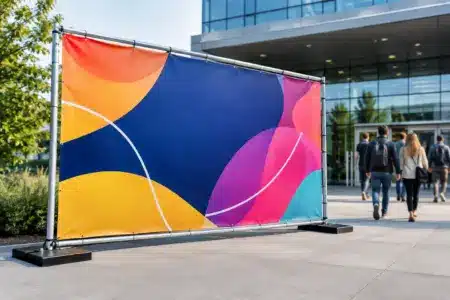
Banners are built for large-format, high-visibility messages. They work well for temporary promotions, trade events, construction fencing, sports clubs and seasonal announcements. A correctly finished banner with reinforced edges and suitable eyelets can perform well outdoors, but its life is closely linked to wind exposure and tension.
A banner fitted loosely can flap, which increases stress on eyelets and hems. One pulled too tight can place excess strain on the material and fixings. For the best result, use an appropriate number of fixing points and check the banner regularly, especially after high winds. If a campaign lasts a few days or months rather than years, a banner is often the most efficient choice.
Vinyl lettering, stickers and vehicle graphics
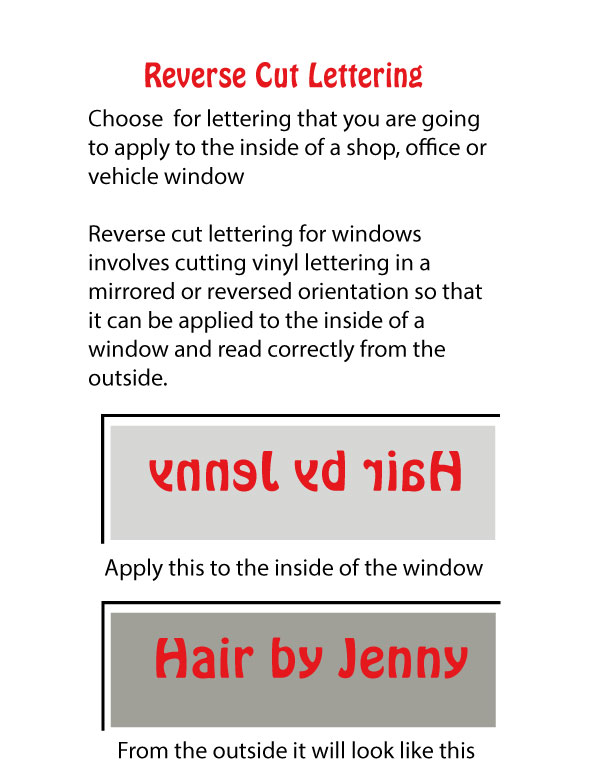
Vinyl products are versatile because they can be applied to windows, walls, boards, vehicles and equipment. Their lifespan depends heavily on the type of vinyl, the condition of the surface and the exposure it receives. A graphic applied to a clean, smooth indoor wall generally faces far less wear than one on a working van travelling daily through weather, wash cycles and road dirt.
For exterior use, surface preparation is essential. The area should be clean, dry and free from wax, oil and loose paint before application. Applying graphics to a failing painted surface will not solve the underlying problem. The vinyl may remain sound while the paint beneath it lifts away.
Vehicle graphics need particular care because panels curve, flex and are regularly cleaned. Choosing material suited to the intended use and allowing proper application time helps retain a smart, legible finish. Avoid harsh abrasive cleaning products and pressure washing too closely around graphic edges.
Magnetic signs for removable vehicle branding
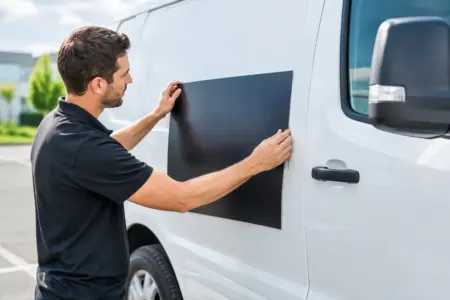
Magnetic signs are designed for temporary, removable use on compatible flat metal vehicle panels. They are useful for businesses that need identification during working hours but use the same vehicle privately at other times. Their lifespan depends on correct fitting, storage and cleaning rather than weather resistance alone.
Remove magnetic signs regularly to clean and dry both surfaces. Dirt or moisture trapped behind the sign can mark paintwork, while bending or rolling the panel can affect how well it sits against the vehicle. Magnetic signs should be stored flat when not in use and checked before each journey.
How to make outdoor signs last longer
Start by matching the material to the intended service period. A low-cost temporary board may be the right decision for a one-off event, but it is rarely the best value for a sign expected to stay outside for years. Spending more on the substrate at the outset can prevent avoidable reprints, refitting and disruption later.
Think carefully about location. Signs in exposed coastal areas, on open sites or beside busy roads are likely to receive more wind, salt, dirt and impact than signs in sheltered positions. In these settings, rigid materials, stronger fixings and a protective printed finish become more worthwhile.
Artwork also has an effect on how long a sign remains useful. Fine text, pale colours and low-contrast designs may become difficult to read before the material physically fails. Use clear type, suitable text sizes and strong contrast for safety instructions, parking notices and directional signs. A clean layout improves readability from the start and gives the sign more practical life as conditions change.
Regular checks are simple but valuable. Look for loose corners, worn fixings, fading, surface damage and changes to the information displayed. This is especially important for safety signs, where outdated instructions can create confusion as well as an unprofessional appearance. Cleaning signs with mild soapy water and a soft cloth will usually remove surface dirt without unnecessarily damaging the print.
Choose for the job, not just the price
When comparing signage options, ask how long the message needs to last, whether it will be indoors or outdoors, how exposed the location is and what happens if it becomes unreadable. These answers usually make the appropriate material clear.
For short campaigns, temporary directions and changing messages, lightweight boards and banners keep costs controlled. For permanent branding, access information and signs that support day-to-day operations, durable rigid panels offer better long-term value. If you are unsure, it is better to specify the sign’s location, expected duration and fixing method before production than to replace an unsuitable product early.
A sign earns its place when it stays visible, accurate and presentable for as long as the message is needed. Selecting material with that working life in mind gives your business a cleaner site, clearer communication and fewer avoidable replacements.