A magnetic sign can turn a personal car, van or lorry into a clearly branded work vehicle in minutes. But are magnetic signs road legal? In most cases, yes. There is no general UK rule banning magnetic vehicle signs. The sign must, however, be fitted securely and must not affect the vehicle’s safety, required markings or the driver’s view.
For businesses that use one vehicle for work during the week and personal use at other times, magnetic signs are a practical option. They are quick to apply, removable without a permanent change to the vehicle and suitable for temporary campaigns, events and flexible fleets. The key is choosing the right material, position and size for the vehicle.
Are magnetic signs road legal in the UK?
Magnetic signs are generally legal to display on a vehicle used on public roads, provided they do not make the vehicle unsafe or obscure anything that must remain visible. The law is concerned with the condition and safe use of the vehicle, rather than whether a business name is printed on a magnetic panel.
In practical terms, a magnetic sign should not cover the registration plate, lights, reflectors, cameras, sensors, mirrors or the driver’s line of sight. It should sit flat against a suitable metal body panel and remain firmly attached at normal road speeds.
A sign that detaches while driving is not simply an inconvenience. It can become a hazard to other road users. If a vehicle is found to be in a dangerous condition, the driver and operator may face enforcement action. That is why correct fitting matters as much as the design itself.
What makes a magnetic vehicle sign safe to use?
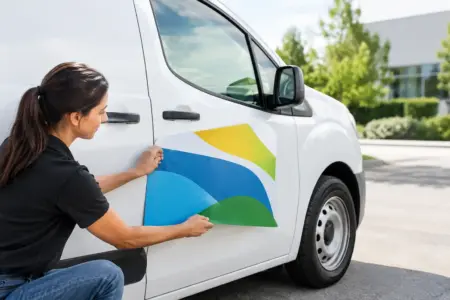
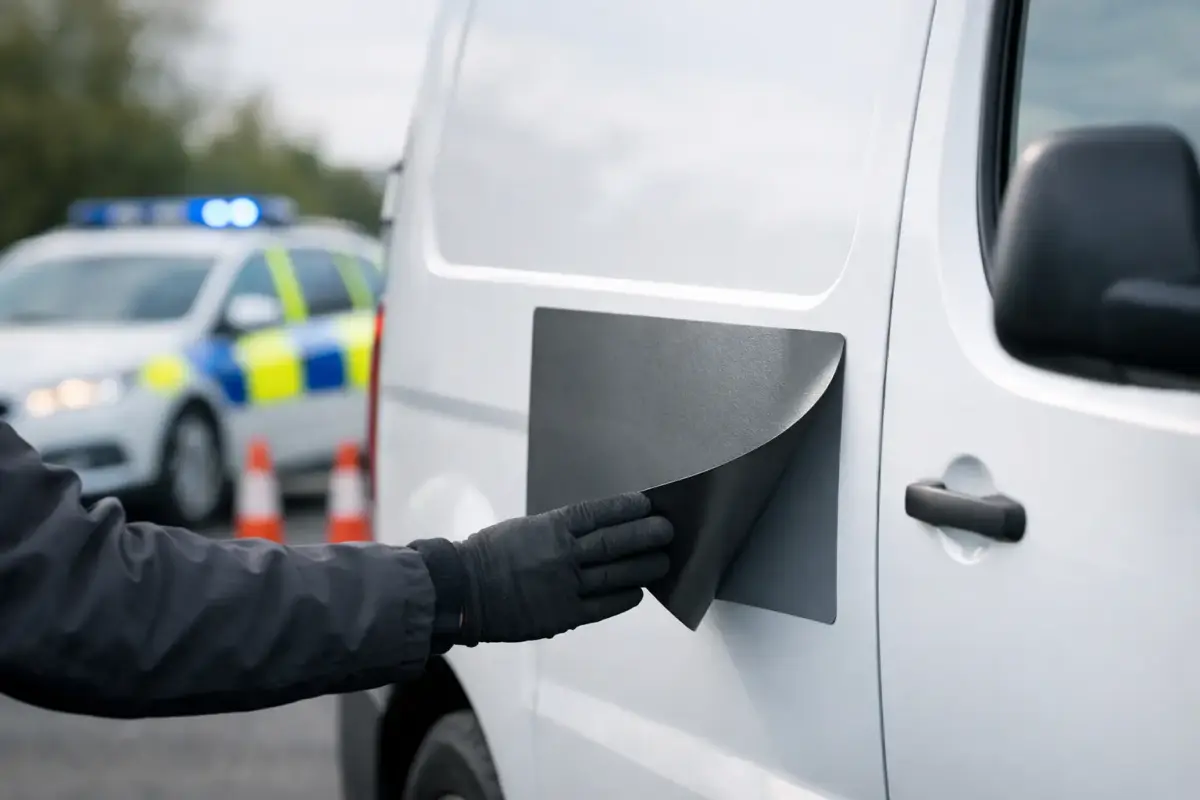
A properly made magnetic sign is designed to grip a clean, flat ferrous metal panel. Ferrous means it contains iron, so a simple magnet test is useful before ordering. Many modern vehicles have aluminium panels, plastic trim, repaired sections or body areas with filler beneath the paint. A magnetic sign will not hold securely on these surfaces.
The best location is usually the central, flat section of a vehicle door. Avoid mouldings, recessed areas, sharp curves and panel edges. The entire magnetic face needs direct contact with the paintwork. Even a small lifted corner can allow air underneath the sign, reducing its grip as speed increases.
Before fitting, clean and dry both the vehicle panel and the back of the sign. Dirt, road film and moisture can weaken contact and may trap grit against the paintwork. Place the sign carefully from one edge and smooth it into position. Do not slide it across the panel, as this can scratch the paint.
Check the sign before every journey, particularly after heavy rain, a car wash, a long motorway run or a change in temperature. Remove it periodically to clean both surfaces. This is good practice for safety and helps protect the vehicle finish.
Vehicle areas magnetic signs must not cover
A sign may be well attached and still be incorrectly positioned. Keep it clear of all legally required and safety-critical parts of the vehicle. This includes the front and rear number plates, headlamps, rear lamps, indicators, brake lights, reflectors and high-level brake light.
It must not obstruct mirrors, windows used for visibility, cameras or sensors that the driver relies on. On vans and lorries, take extra care around side marker lamps, conspicuity markings and any mandatory rear markings. A magnetic panel should never be used as a substitute for legally required hazard markings or approved vehicle safety equipment.
The message itself also matters. Avoid designs that could be mistaken for emergency service markings, official enforcement vehicles or another protected identity. If you use reflective materials, make sure they are appropriate for the intended application and do not create confusion with required vehicle lighting or markings.
Insurance, leasing and business use
Putting a magnetic business sign on your vehicle does not automatically change its road legality. It can, however, be relevant to your insurance. If you use the vehicle to travel between jobs, visit customers, carry tools or deliver goods, make sure your policy covers the way you actually use it.
A magnetic sign can make business use more visible, but the sign is not the issue by itself. The important question is whether the insurer has been told about the vehicle’s business use where required. Check the wording of your policy rather than assuming that standard social, domestic and pleasure cover is enough.
If the vehicle is leased, hired or supplied through an employer, check the agreement or fleet policy before applying signage. Magnetic signs are often chosen because they can be removed, but the vehicle owner may still have rules about branding, cleaning and responsibility for paintwork.
Taxi, private hire and specialist vehicle rules
Some vehicles operate under additional local or sector-specific rules. Taxis and private hire vehicles may need to display prescribed plates, door signs or licence details set by the local licensing authority. A magnetic sign must not cover, replace or contradict those requirements.
The same principle applies to school transport, security vehicles, construction fleets and vehicles working near highways. If your work has a specific marking standard, confirm that a magnetic sign is suitable before relying on it. A removable panel is useful for many routine business applications, but it is not always the right choice for regulated or high-risk work.
Choosing the right magnetic sign for your vehicle
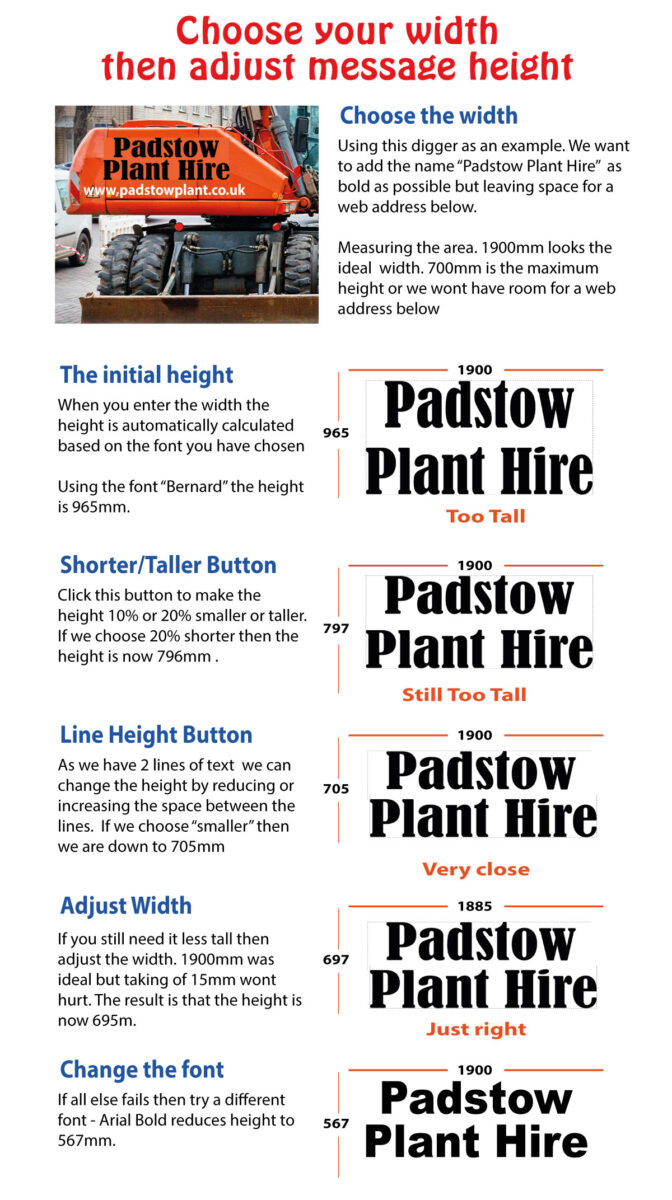
A road-legal magnetic sign starts with a sensible specification. Measure the flat usable area of the panel, not just the overall door. Leave clearance around edges, handles, trim and body lines so the sign can sit fully flat.
Keep the design clear from a distance. Your business name, service and contact number should be easy to read without squeezing every detail onto the panel. High-contrast colours and straightforward lettering usually work better than a crowded layout, especially on vehicles passing at speed.
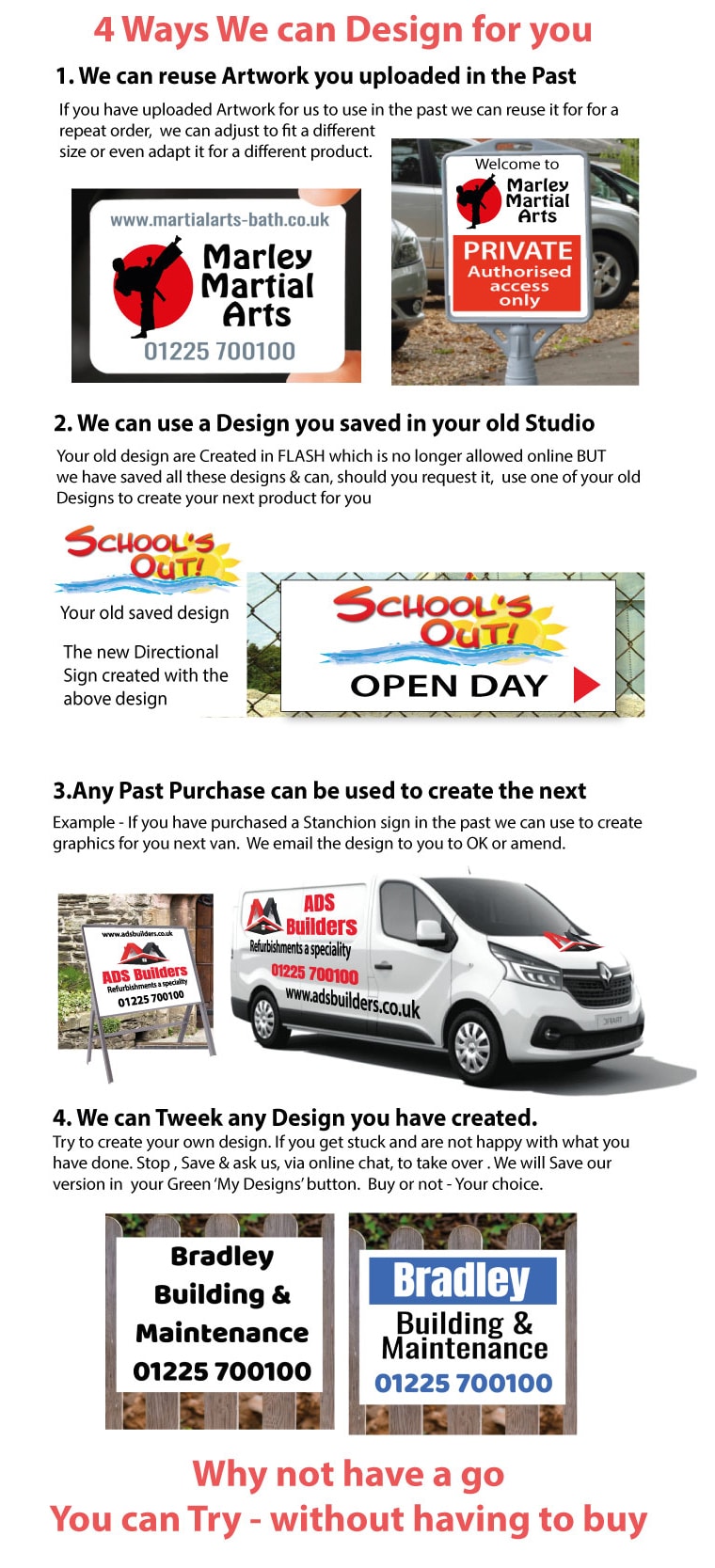
For owner-drivers, two matching door signs are often enough to create a professional presence. Fleet operators may need consistent sizes and artwork across different vehicle models, so it is worth checking each panel type before ordering a full set. The SignBuilder can produce custom magnetic signs from supplied artwork or help prepare a clear, production-ready design.
When magnetic signs may not be the best option
Magnetic signs are ideal where flexibility is the priority, but they are not suitable for every vehicle or working pattern. If the vehicle has non-magnetic body panels, heavily contoured doors or frequent high-speed use, another type of vehicle graphic may provide a more dependable result.
They also need routine care. A sign left in place for long periods can allow dirt and moisture to build up around its edges. For vehicles that are always in service, permanent graphics may be more practical because there is nothing to remove, refit and inspect before each journey.
For short-term branding, occasional customer visits and multi-use vehicles, magnetic signs remain one of the simplest options available. The decision comes down to the vehicle surface, how often the vehicle is used, the roads it travels on and whether the sign can be checked regularly.
A quick pre-drive check
Before setting off, confirm that each sign is clean, flat and firmly attached with no lifted corners. Check that it does not cover lights, plates, reflectors, mirrors, sensors or required markings. If there is any doubt about the sign’s grip, remove it before driving.
Magnetic signs can give a business vehicle a professional, flexible identity without making a permanent change. Fit them to the right panel, keep them clean and treat their security as part of your normal vehicle check, and they can do the job safely and effectively.