A scaffold elevation can be the most visible part of a building project. It faces passing traffic, pedestrians, neighbours and potential customers for weeks or months at a time. This guide to scaffold banners explains how to turn that temporary structure into clear, professional site branding without overlooking the practical details that affect how the banner performs.
A well-planned scaffold banner can promote the contractor, identify a development, display a sales message or support site communication. The right choice depends on the scaffold layout, the location, expected wind exposure and how long the banner will remain in place.
A guide to scaffold banners for working sites
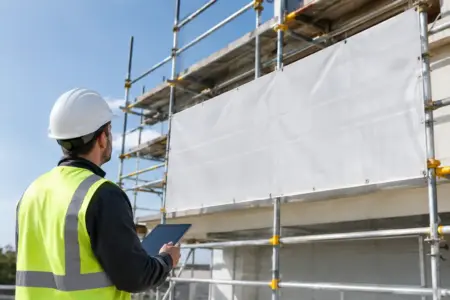
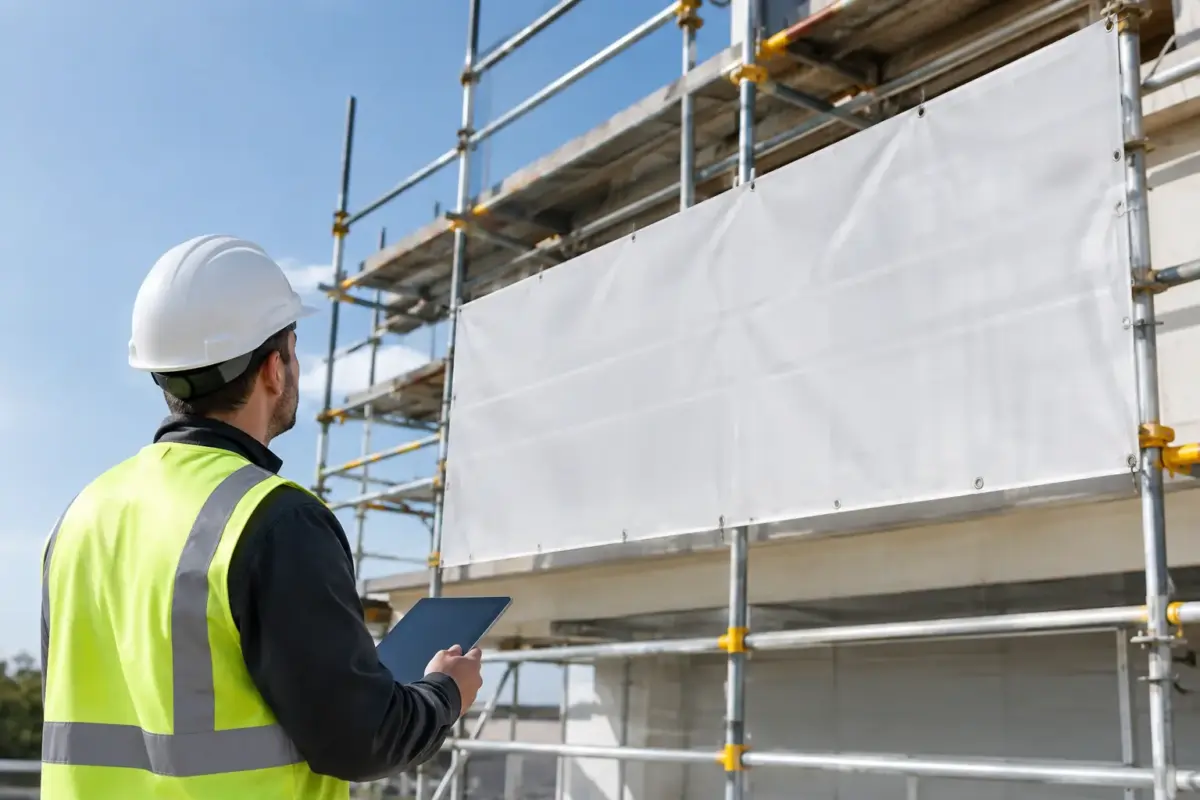
Scaffold banners are large-format printed banners fixed to the outside of scaffolding. They are commonly used by building firms, property developers, roofers, renovation companies, estate agents, retailers and event organisers. On a busy road or town-centre project, they can deliver repeated local visibility throughout the job.
They also have a practical role. A banner can show a company name and contact number, direct visitors to an entrance, identify a project team or provide a simple message about what is being built. For commercial works, this makes the site look more organised while giving the business a useful advertising space it already has in place.
The key is to keep the banner suited to its surroundings. A large, bold branding banner may work well on a prominent frontage, while a smaller banner with contact details is often better for a residential street or a shorter project.
Choose the material for the location
Material choice is one of the first decisions to make. The two usual options are PVC banner material and mesh banner material. Both can carry full-colour printed graphics, but they behave differently outdoors.
PVC is a solid banner material with a smooth finish and strong colour reproduction. It is a good option where the banner needs maximum visual impact, particularly for photography, detailed graphics or a large coloured background. However, because it is solid, wind cannot pass through it. On exposed scaffold elevations, this increases wind loading and needs careful consideration.
Mesh is perforated, allowing air to pass through while still showing the printed design from a distance. It is usually the more practical option for large scaffold coverings, high-level installations and open or windy locations. The print may appear slightly less solid at close range, but it remains highly visible from normal viewing distances.
The right answer is not always mesh. A small banner in a sheltered position may be better in PVC, especially when fine detail or a strong colour finish matters. Discuss the fixing method and material with the scaffold contractor or site manager before ordering, as they are responsible for assessing the structure and site conditions.
Measure the scaffold, not just the wall
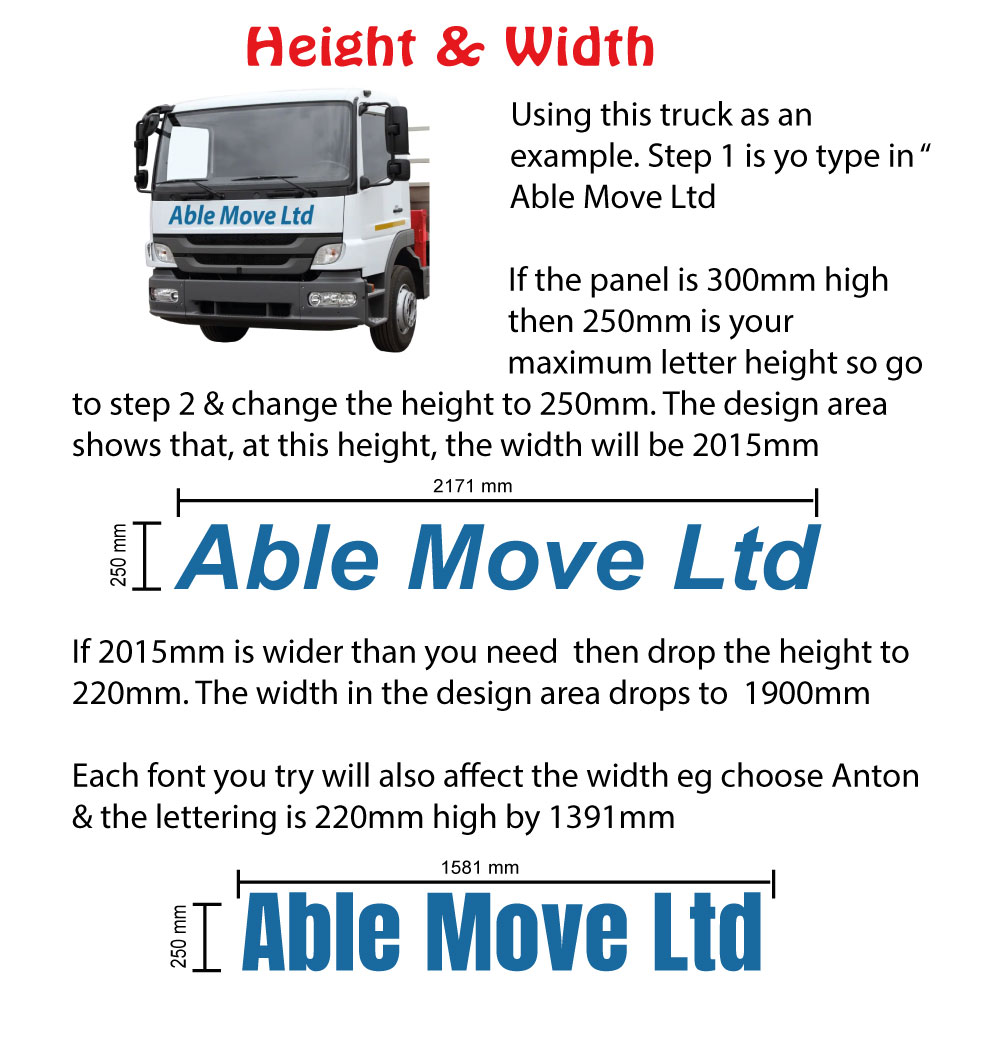
A banner that fits the building dimensions may not fit the usable scaffold area. Measure between the points where the banner will actually be fixed, accounting for poles, lifts, guardrails, access points and any features that must remain clear.
For a large frontage, it can be more manageable to use several banners rather than one very large panel. Individual sections are easier to handle during fitting, easier to replace if damaged and can be aligned with scaffold bays. The joins will be visible at close range, but this is often a sensible trade-off for access and installation.
Leave enough space around the design for hems, eyelets and fixing points. Important wording, logos and phone numbers should not sit close to the edge, where they can be obscured by folds, ties or scaffold poles. As a general rule, keep key content well inside the finished banner edge rather than treating every centimetre as printable display space.
Before finalising the size, check whether the banner needs to avoid windows, public access routes, signage, lighting or site safety notices. A striking banner is of little value if it blocks information people need to see.
Keep the design readable from the street
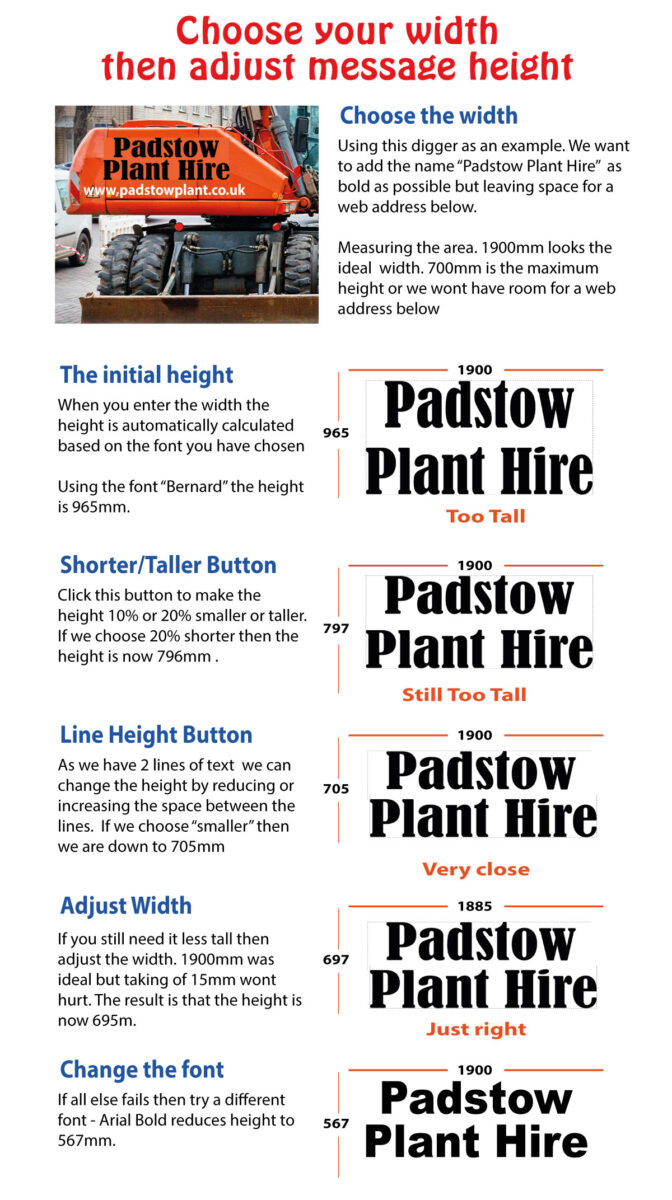
A scaffold banner is normally viewed at speed and from a distance. It is not a brochure. The strongest designs have one clear priority: a company name, a development name, a service message or a contact method.
Large lettering is more effective than a crowded layout. If people can only read the banner for a few seconds, they should still recognise the brand and understand the main message. Use strong contrast between text and background, particularly where the banner will be viewed in changing light or from across a road.
A phone number and website address can be useful, but do not let them overpower the main message. For businesses that rely on local enquiries, a simple format often works best: logo, service or project statement, telephone number and a short call to action. Avoid long service lists, dense paragraphs and small legal text.
When supplying artwork, make sure it is prepared at a suitable quality for large-format print. Logos should be provided in high-resolution or vector format where possible. Images need to be sharp enough for the final banner size, not merely clear on a phone screen or social media post.
Check the following before approving artwork:
- Company name, telephone number and web address are correct.
- Important text has enough clearance from hems and eyelets.
- Colours match existing vehicle graphics, signs and workwear where brand consistency matters.
- The message remains readable when viewed small on screen, which is a useful indication of distance visibility.
If the artwork is not ready, using a design service can save time and prevent expensive changes after print. Provide the logo, preferred colours, required wording, banner dimensions and any examples of existing branding to help the artwork process move quickly.
Plan the finishing and fitting points
Scaffold banners are commonly finished with reinforced hems and eyelets. The hems strengthen the edge, while eyelets provide points for cable ties, bungee cords or another approved fixing method. Larger banners generally need more fixing points than smaller ones to help keep the material tensioned and reduce movement.
Do not assume that tighter is always better. A banner needs to be securely fitted, but excessive tension can strain eyelets, distort the print or make damage more likely in changing weather. The scaffold contractor should advise on the appropriate fixing arrangement, especially for wide spans and elevated positions.
Fit the banner evenly, working around the edge rather than pulling one corner into place first. This reduces creasing and helps the printed design sit square. Once installed, it should be checked periodically for loose fixings, tears, rubbing against scaffold components or changes caused by poor weather.
Never attach a banner in a way that affects the scaffold’s safe use, blocks required access, covers protection measures or creates a hazard for workers and the public. Installation should be carried out by competent people following the site’s procedures.
Check permissions and site requirements early
Scaffold banners on prominent frontages may be subject to property owner requirements, local authority controls or conditions connected to the scaffold licence. Rules vary by area and by the type of site, so it is worth checking before production rather than discovering a restriction after the banner is printed.
For projects in shared streets, retail areas or conservation locations, consider how the banner will look to neighbours and nearby businesses. A clean, restrained design can be more appropriate than a full-frontage sales message. If the banner includes safety or directional information, make sure it supports rather than replaces the mandatory signs required on site.
You should also agree who is responsible for fitting, inspections and removal at the end of the project. This is particularly useful where the contractor, client, scaffold firm and marketing team are separate parties.
Order with the project timetable in mind
Banner production is only one part of the job. Allow time for measuring, artwork approval, print preparation, delivery and installation. Ordering before the scaffold is erected can help, provided the final dimensions and fixing plan have been confirmed.
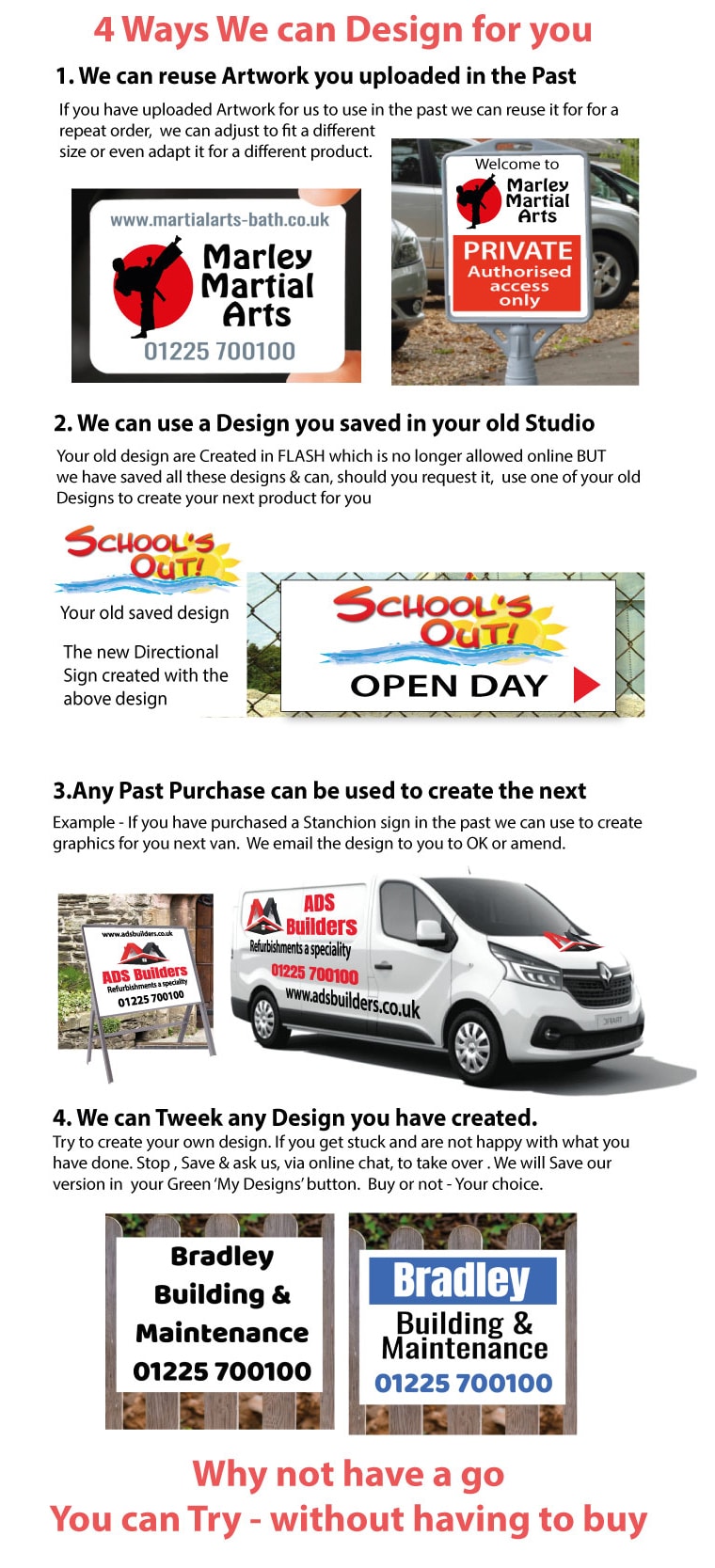
For repeat contractors and property businesses, keeping approved artwork on file makes future orders simpler. The same logo, colour palette and contact details can be used across scaffold banners, site boards, vehicle graphics and printed workwear, helping every project present a consistent professional image.
The best scaffold banner is not necessarily the biggest one. It is the one that fits the structure properly, carries a message people can read and stays looking professional for the life of the job.