A logo that looks sharp on a polo shirt can become unreadable on a dark hoodie, a high-visibility jacket or a small chest area. That is why uniform printing needs more than simply placing a logo on a garment. The right choice of clothing, print position and artwork helps staff look professional while giving them workwear they will actually be comfortable wearing on the job.
For trades, retail teams, hospitality venues, events and site-based businesses, printed uniforms do two jobs at once. They identify the people customers need to speak to and make a business easier to recognise. Done well, they also make ordering for new starters and repeat teams much simpler.
Start uniform printing with the job, not the logo
The working environment should decide the garment range. A team working indoors may need lightweight polo shirts or t-shirts, while a mobile workforce may need sweatshirts, hoodies and outer layers for changeable conditions. Staff who meet customers face-to-face often benefit from a consistent core uniform, even if individual roles require different garments.
Think about how each item will be used during a normal shift. Fit, fabric weight, pockets, visibility and ease of movement can matter just as much as the printed design. A café team may prioritise smart, easy-care clothing. A building contractor may need hard-wearing layers that remain presentable after regular washing. Event staff may need a simple, identifiable garment that can be issued quickly for a one-off date.
It is usually better to choose a small, reliable range than to offer every employee a different style. For example, a polo shirt, sweatshirt and jacket in matching colours gives staff options without losing the recognisable look of the business. It also makes future orders easier, particularly when managers need to replace individual items rather than place a full uniform order.
Choose colours that work in real conditions
Garment colour affects how well a printed logo stands out. Dark garments often suit light or bright designs, while pale garments can work well with darker artwork. A logo that relies on a fine white outline, pale text or subtle shading may need adjusting to remain clear from a few metres away.
Company colours are useful, but practicality comes first. White may look clean in a showroom but be less suitable for a workshop, kitchen or outdoor role. Black and navy are popular for everyday workwear because they are practical, but they need a print colour with enough contrast. Before committing to a large order, consider where staff will be seen: on site, at a counter, in a vehicle yard or at an event entrance.
Uniform printing positions that make sense
The left chest is the standard position for a business logo because it is visible without taking over the garment. It is a strong choice for polos, t-shirts, sweatshirts, hoodies and jackets. For many small businesses, a clear logo in this position is all that is needed.
A larger back print is useful when staff need to be recognised from a distance. This can include a business name, a simple service description or contact details. It is particularly effective for tradespeople, delivery teams, event crews and site staff. Keep the message short. A crowded back design can be difficult to read while someone is moving or wearing an outer layer.
Sleeve printing can add a detail such as a web address, team name or short message, but it should support the main design rather than carry essential information. It is also worth remembering that sleeves are sometimes covered by jackets, gloves or high-visibility garments.
Front and back printing gives the strongest visibility, though it can increase the cost per garment. Whether it is worthwhile depends on the role. A customer-facing team in a busy public setting may gain more from it than office staff who mainly work indoors.
Prepare artwork for clear printed uniforms
The best artwork is simple, high contrast and supplied at a suitable quality. Blurry screenshots, photos of existing garments and copied images from social media rarely produce a clean result. Where possible, provide the original logo file or a high-resolution version with clear edges.
Small text is one of the most common problems with uniform artwork. Details that look readable on a computer screen may become too small once printed on a chest logo. Phone numbers, long taglines and detailed addresses often work better on a larger back print, signage or a vehicle graphic than on the front of a shirt.
If your logo has several colour versions, choose the one designed for the garment colour. A full-colour logo may be right for a light polo, while a simplified one-colour version may give a cleaner result on darker workwear. Keeping approved versions of your logo helps ensure that future orders stay consistent.
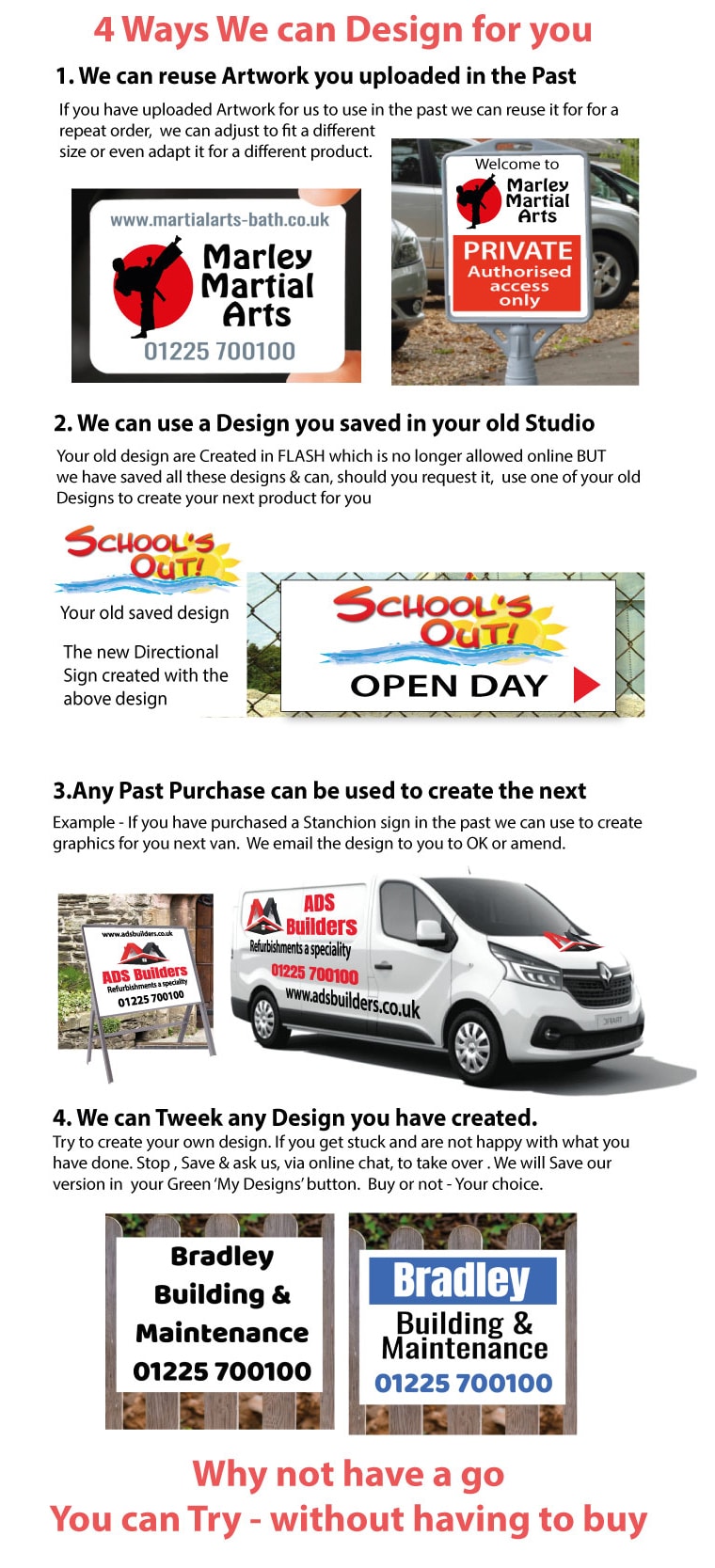
At The SignBuilder, customers can design online, upload their own design or request help with artwork preparation. That flexibility is useful when a business has anything from a ready-to-print logo to a rough idea that needs turning into a practical garment design.
Keep names and roles practical
Personal names can make uniforms more approachable, especially in hospitality, retail and service roles. However, they create an extra consideration for staff changes. A named garment may not be suitable for reissue, and replacement orders need to be managed carefully.
Job titles can be more flexible. Labels such as “Manager”, “Security”, “Volunteer” or “Event Crew” help visitors find the right person quickly and can be reused for future staff. For larger teams, a mix of a standard branded uniform and role-specific garments often keeps costs under control.
Build a uniform range that is easy to reorder
Uniforms tend to be ordered in stages. A company may begin with five polos for a new team, then add hoodies for winter, replace worn items and order more garments when staff numbers grow. Planning for this from the start prevents mismatched colours, changing logo sizes and inconsistent print positions later on.
Record the essentials for each approved garment: product type, garment colour, logo version, print position and size range. This does not need to be complicated. A basic uniform specification gives the person placing the next order a clear reference and reduces the chance of avoidable changes.
Sizing deserves attention too. Different garment styles can fit differently, even when the labelled size is the same. If you are ordering for a team, collect sizes early and allow for the fact that some staff may prefer a looser fit for layering or physical work. A small number of spare garments in common sizes can be useful for new starters and unexpected replacements.
Order quantities around how your team operates
The lowest-cost option is not always the most useful one. Ordering one garment per employee may appear economical, but it leaves no allowance for laundry, weather changes or damage. For roles involving daily wear, two or three core items per person is often more practical.
Seasonality also matters. A landscaping business may need lightweight tops in summer and warmer layers later in the year. Event organisers may need a short-run order for a single weekend, while a retailer may need a steady supply for new staff across several branches. The most effective approach depends on whether the uniform is a daily requirement, occasional promotional clothing or a role-specific item.
For growing businesses, standardising the main garments and design is usually the safest approach. You can then add quantities as needed while maintaining a consistent appearance across the team.
Look after printed workwear properly
Printed clothing lasts longer when it is washed according to the garment care label. Turning garments inside out before washing helps protect the printed area from friction. Avoid overly high washing temperatures and harsh treatment where possible, particularly for garments worn frequently.
Staff guidance does not need to be lengthy. A simple note when uniforms are issued can help avoid faded prints, damaged garments and premature replacements. It also reinforces that uniforms are part of the professional equipment supplied for the job.
A well-planned uniform should make the working day easier, not add another thing for staff to think about. Choose garments that suit the role, keep the design readable and save the details for repeat ordering. When the next new starter joins, you will have a clear, dependable standard ready to issue.