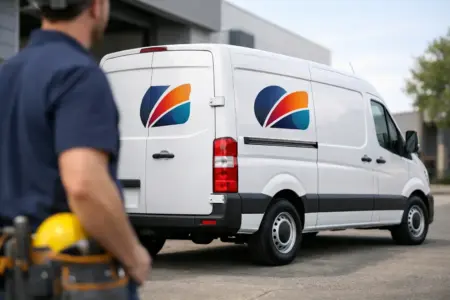
A plain van can do the job, but it also misses an easy chance to advertise every time it pulls up outside a customer’s property. Magnetic signs for vans are popular because they give you visible branding without committing to full vehicle graphics. For many trades, local businesses and multi-use vehicles, that flexibility is the main selling point.
They are not the right answer for every van or every working pattern, though. If you want something you can fit quickly, remove when needed and move between vehicles, magnetic panels make sense. If your van is on the road every day in all weathers and you want a fully permanent finish, you may be better looking at other vehicle branding options.
Why magnetic signs for vans appeal to so many businesses
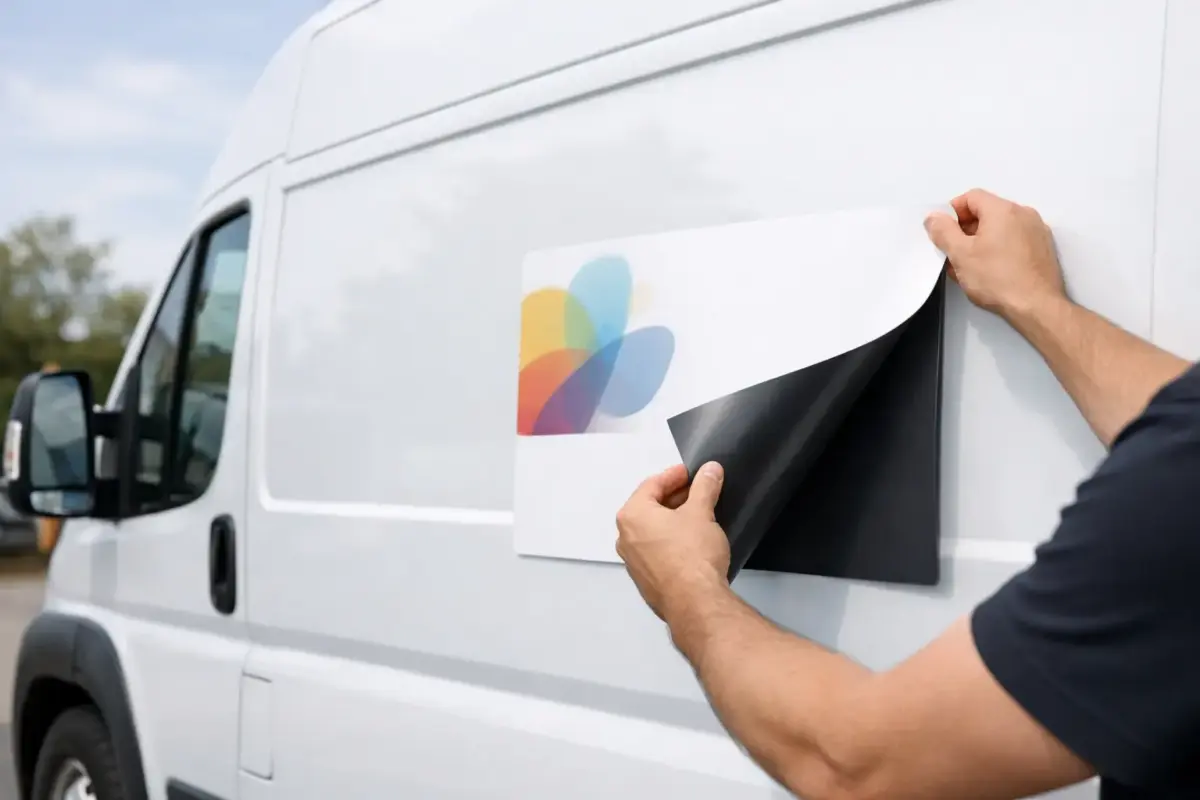
The practical benefit is simple. You can turn an unmarked vehicle into a branded one in minutes. That matters for sole traders using a personal van, businesses with temporary promotions, or teams that share vehicles across different jobs.
A plumber, electrician or cleaning company might need branding during working hours but prefer a plain vehicle in the evening. A seasonal operator might want signs during peak months only. Event teams and catering businesses often need branding that can be changed or removed depending on the booking. Magnetic signs suit all of those situations because they are built around convenience rather than permanence.
Cost is another factor. Compared with a full wrap or larger vinyl graphics package, magnetic panels are usually a more accessible starting point. They let smaller firms present a more professional image without taking the van off the road for major fitting. If you are building a new business and watching cash flow, that can be a sensible step.
When magnetic signs for vans work best
The best use case is a clean, flat metal panel on a van that is not always branded. In that setting, a magnetic sign is straightforward, effective and easy to manage. It is also useful when you need to update contact details or branding later without replacing a whole livery scheme.
For businesses running short-term campaigns, temporary site work or contract-based services, magnetic signs are often more practical than permanent graphics. You can apply them for one job, one region or one promotion, then remove them when they are no longer needed.
They also work well for businesses that operate a small mixed fleet. If one vehicle is off the road, the signs can often be moved to another suitable van. That kind of flexibility is hard to get from fixed branding.
Where the limitations come in
Magnetic signs are not a fit-and-forget product. They need proper handling and regular checks. If that sounds inconvenient, it is worth being honest about it from the start.
The first limitation is surface compatibility. Not every vehicle panel is suitable. Some newer vans use materials or panel shapes that reduce magnetic hold, and curved, recessed or heavily contoured areas are not ideal. A magnetic sign needs a flat ferrous metal surface to sit securely.
Speed and exposure matter too. A van doing steady local rounds is a different case from one spending hours each day on motorways in severe weather. The harder the conditions, the more important it is to fit the sign correctly, inspect it regularly and remove it for cleaning. If your operation involves constant high-speed travel, permanent graphics may be the safer long-term option.
There is also the appearance trade-off. A good magnetic sign can look smart and professional, but it will not sit as flush as vinyl applied directly to the bodywork. If you want a painted-on look, magnetic panels are not designed for that.
Choosing the right size and design
A magnetic sign only works if people can read it quickly. That usually means keeping the message focused. Business name, service, phone number and website or local area are often enough. Cramming in every service line, accreditation and social media handle usually weakens the result.
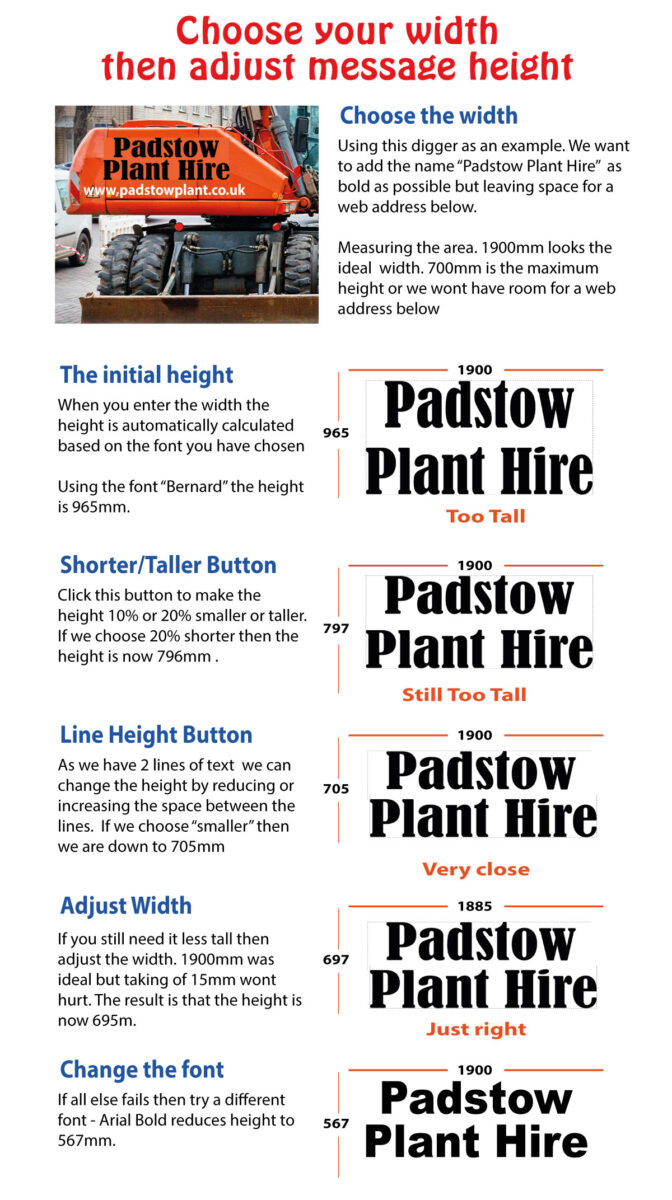
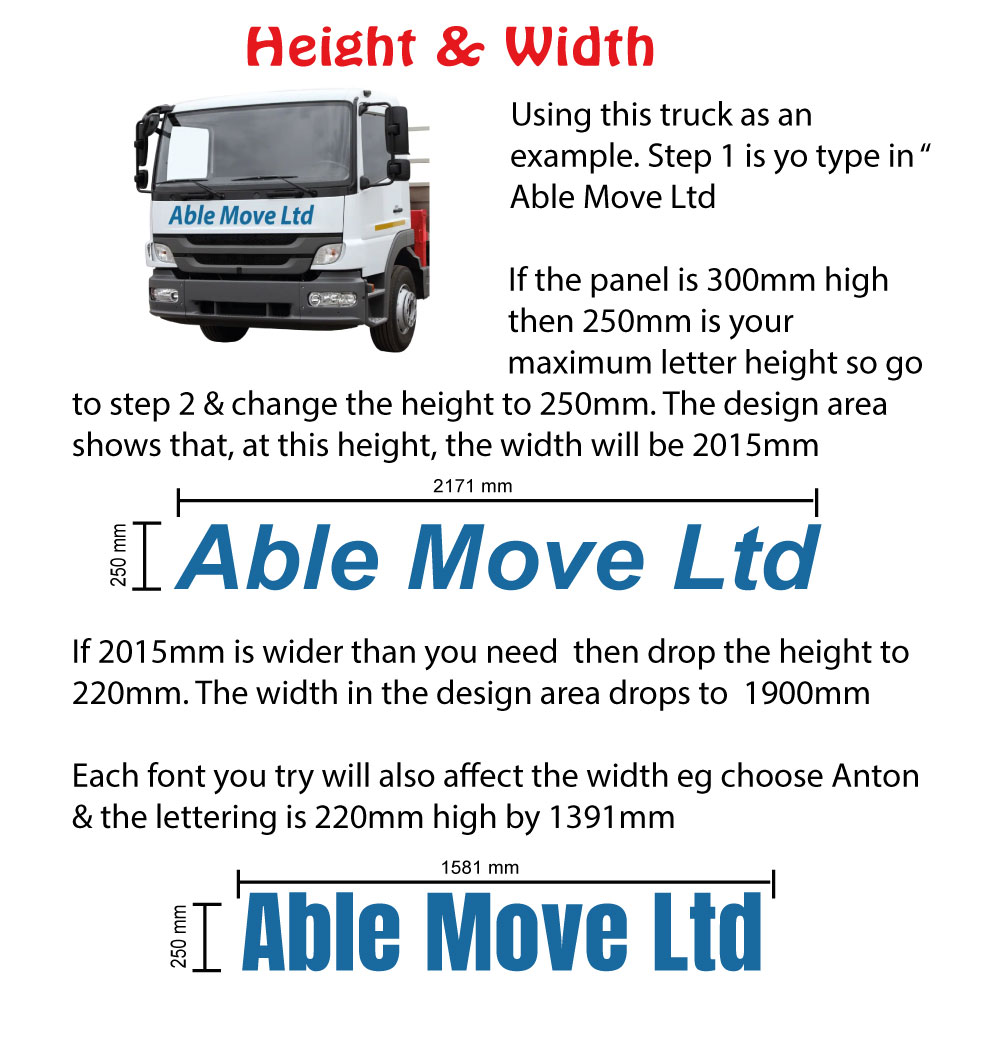
Size depends on the van and the panel area available. Too small, and the sign disappears from a distance. Too large, and you may struggle to place it on a flat section without crossing trims, recesses or door lines. The right balance is usually a panel large enough for clear text and simple branding, but still comfortably within the flat body area.
Design matters just as much as size. Strong contrast improves readability. Clean fonts work better than decorative ones. If your logo is detailed, it may need simplifying for vehicle viewing distances. A van sign is read in seconds, often while someone is moving, so clarity usually beats creativity.
For many businesses, the most effective layout is also the simplest. A recognisable brand mark, a short service description and one main contact method tend to do the job. If customers cannot understand it at a glance, it needs refining.
What to check before ordering
Before ordering, it is worth checking where the signs will sit on your van. Measure the available flat metal area rather than guessing from the overall vehicle size. Mirrors, mouldings, fuel caps, handles and sliding door tracks can all affect placement.
You should also think about how the van is used day to day. If it is washed frequently, parked outdoors year-round or switched between drivers, you need a product and routine that fit that reality. Magnetic signs are practical, but they do require a bit of care.
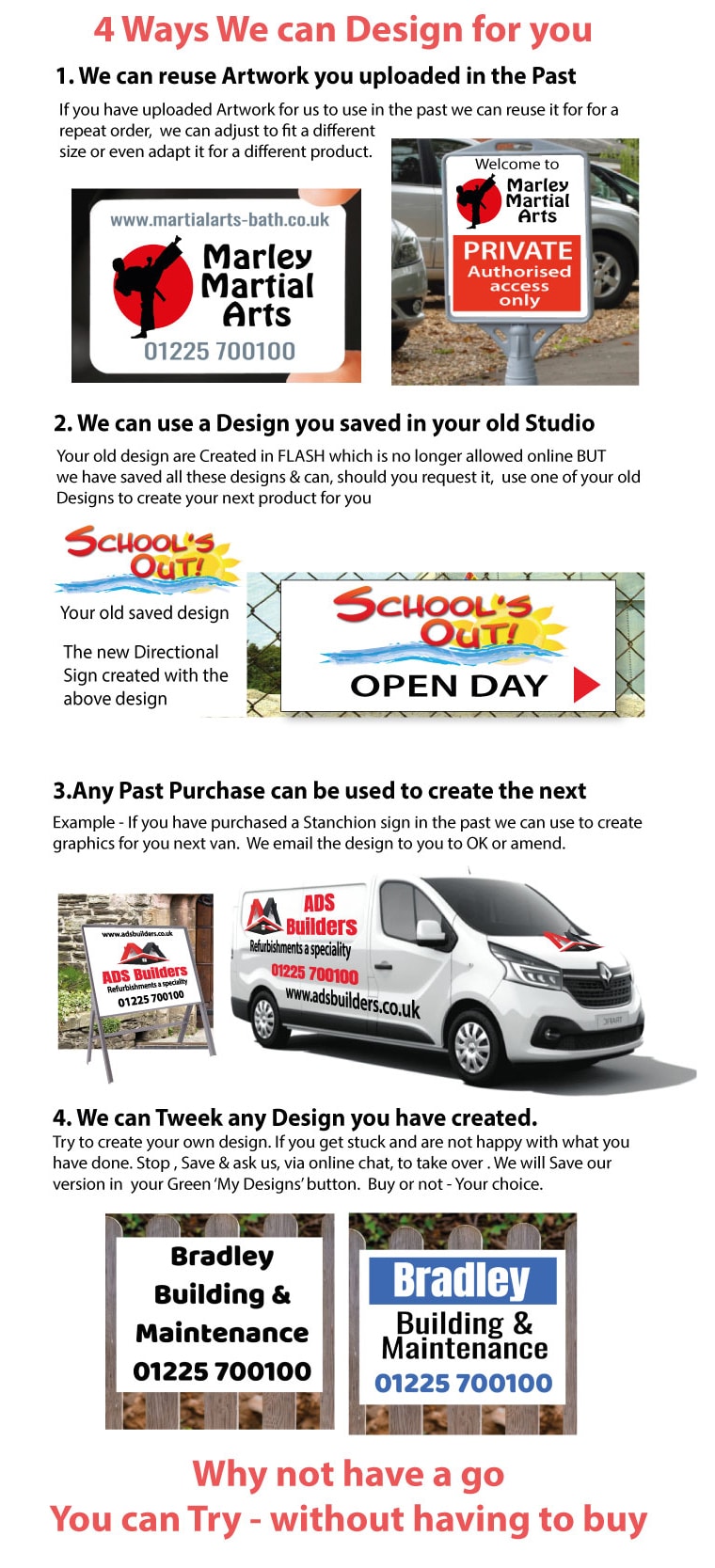
Artwork is another point to get right early. If you already have print-ready branding, the process is straightforward. If not, a simple layout built specifically for van panels is usually better than trying to force a flyer design onto a vehicle sign. The SignBuilder supports different ordering routes, whether you want to design online, upload your own artwork or get help preparing a workable layout.
Fitting and care make a big difference
This is where some buyers get caught out. A magnetic sign should be applied to a clean, dry surface. Dirt trapped behind the panel can mark the paintwork over time, especially if the vehicle is used regularly without removing the sign.
It is good practice to take the signs off periodically, clean both the vehicle panel and the reverse of the sign, and then refit them. That keeps the finish tidy and helps maintain good contact. It also gives you the chance to inspect the sign for any curling, wear or damage.
Weather can affect performance. In wet, icy or very dirty conditions, checking the signs becomes even more important. If edges start lifting or the panel is not sitting flat, remove it and sort the issue before driving on.
Storage matters as well. When not in use, magnetic signs should be kept flat rather than bent or folded. Poor storage can distort them, which then affects how well they sit on the van.
Magnetic signs or permanent van graphics?
This is usually the real question. If you need flexibility, temporary branding or the option to remove the message outside working hours, magnetic signs are hard to beat. They are fast to fit, cost-effective and useful for mixed-use vehicles.
If your van is a full-time work vehicle and branding is a core part of your business image, permanent graphics often make more sense. They offer a cleaner finish and are better suited to continuous road use. For some businesses, the answer is not one or the other. A fleet may use permanent graphics on dedicated vehicles and magnetic signs on backup or part-time vans.
That is why the best option depends on how the vehicle is used, not just on budget. A cheaper product is only better value if it suits the job.
A practical choice for the right vehicle
Magnetic signs are a useful middle ground between no branding and full livery. They help small businesses look established, give growing firms flexibility and let shared vehicles do more than one job. Used properly, they are a straightforward way to make your van work harder.
If you are ordering for the first time, focus on fit, readability and realistic day-to-day use. A well-made sign on the right vehicle panel will do exactly what it is supposed to do – get your business noticed without making the process complicated. That is often all you need.