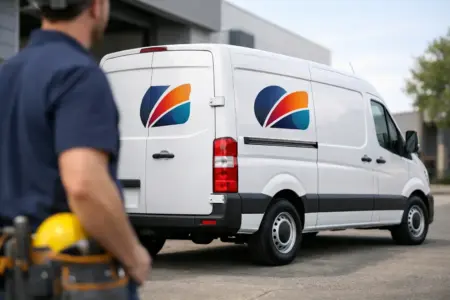
A van door logo, a run of branded giveaway labels and safety wording for a site entrance may all be described as vinyl graphics. But when comparing vinyl stickers vs decals, the right choice usually comes down to how the graphic is made, where it will be fitted and the finish you need. The terms are often used interchangeably, which can cause confusion when ordering.
For most business uses, both products are made from durable self-adhesive vinyl and can be used indoors or outdoors. The practical difference is that stickers are commonly printed as individual labels, while decals are more often cut from coloured vinyl or supplied as a design that is fitted using application tape. Understanding that distinction helps you order a product that looks right, fits properly and lasts as expected.
Vinyl Stickers vs Decals: the Main Difference
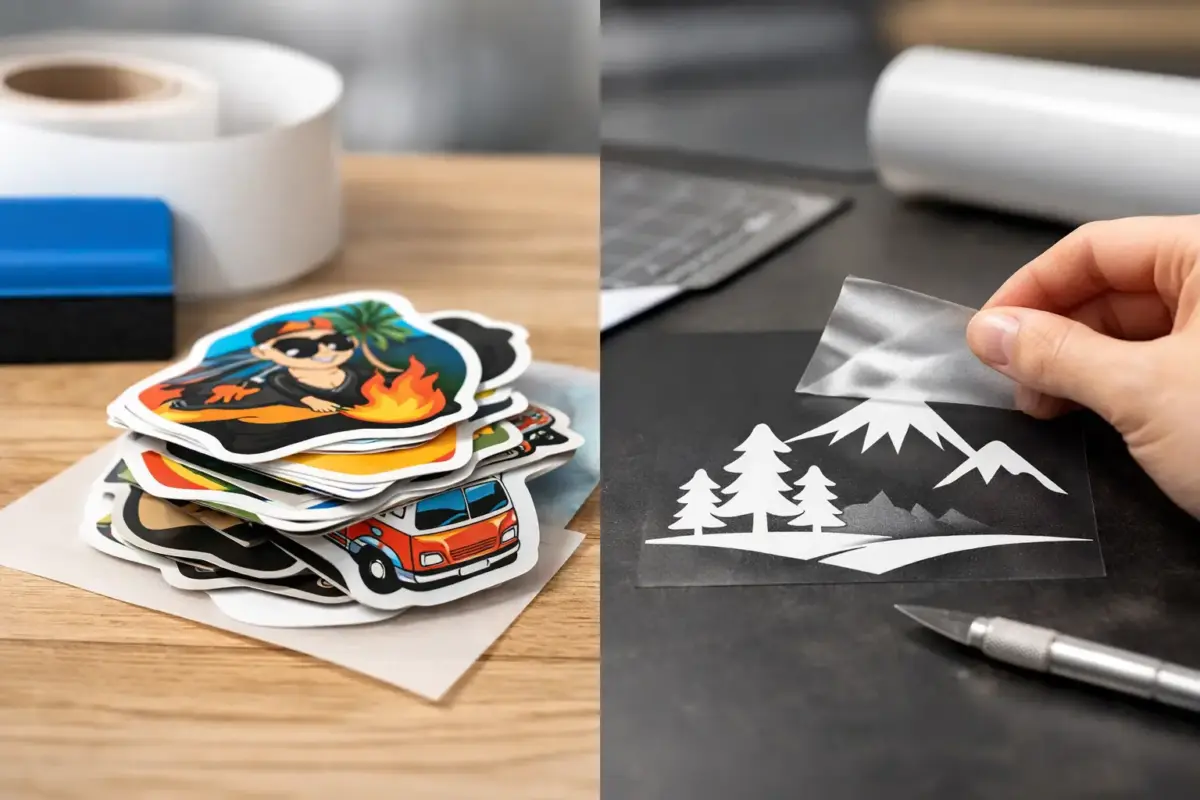
A vinyl sticker is usually a complete printed item with its own background shape. It may be circular, rectangular, square or cut to the outline of a logo or illustration. Stickers are supplied on a backing sheet and are normally peeled off and applied individually. They are a practical option for product packaging, promotional handouts, equipment labels, window notices and short-run branding.
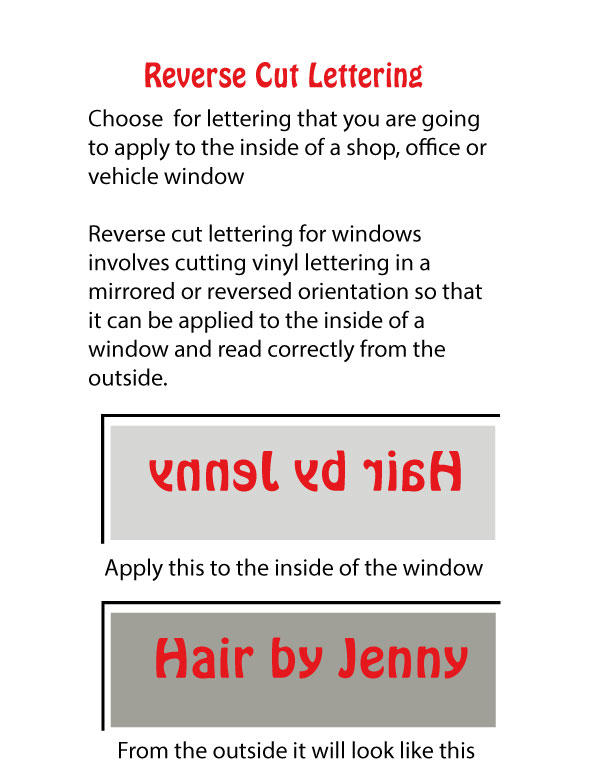
A vinyl decal is commonly made by cutting letters, numbers or simple shapes from a solid-colour vinyl film. The unwanted vinyl is removed, leaving only the design. Application tape holds the separate parts of the design in place while it is fitted to a smooth surface. Once applied, the tape is removed and the lettering or graphic remains, with no visible background around it.
That said, product names vary between suppliers. Some printed, contour-cut graphics are called decals, particularly when they are intended for vehicles, windows or long-term display. Always check the product description, material, fitting method and finish rather than relying on the name alone.
When Vinyl Stickers Are the Better Option
Vinyl stickers work well when your design includes detailed artwork, photographs, gradients, multiple colours or small print. Modern digital printing can reproduce full-colour logos, campaign artwork and illustrations far more easily than cut vinyl alone.
They are also the more straightforward choice when you need lots of separate items. A café may use them to seal takeaway packaging, an event organiser may hand them out to visitors, and a trades business may apply them to tool cases or equipment. Each sticker can be peeled and fitted without lining up separate letters or using application tape.
A printed vinyl sticker can have a clear, white or metallic-looking base depending on the material selected. Lamination may also be available to give extra protection from scuffs, moisture and UV exposure. For outdoor use, this protective layer is worth considering, especially where stickers will be handled regularly or exposed to rain and sunlight.
The trade-off is appearance. Even when contour cut, a printed sticker may retain a narrow border or a visible clear area around the artwork. This is not necessarily a problem, but it can look less integrated on glass, painted panels or a vehicle body than cut lettering.
Typical uses for vinyl stickers
Vinyl stickers are particularly useful for promotional labels, branded packaging, stock identification, product information, event giveaways, temporary notices and full-colour logo graphics. They are often the fastest route from artwork to a ready-to-apply item.
When Vinyl Decals Are the Better Option
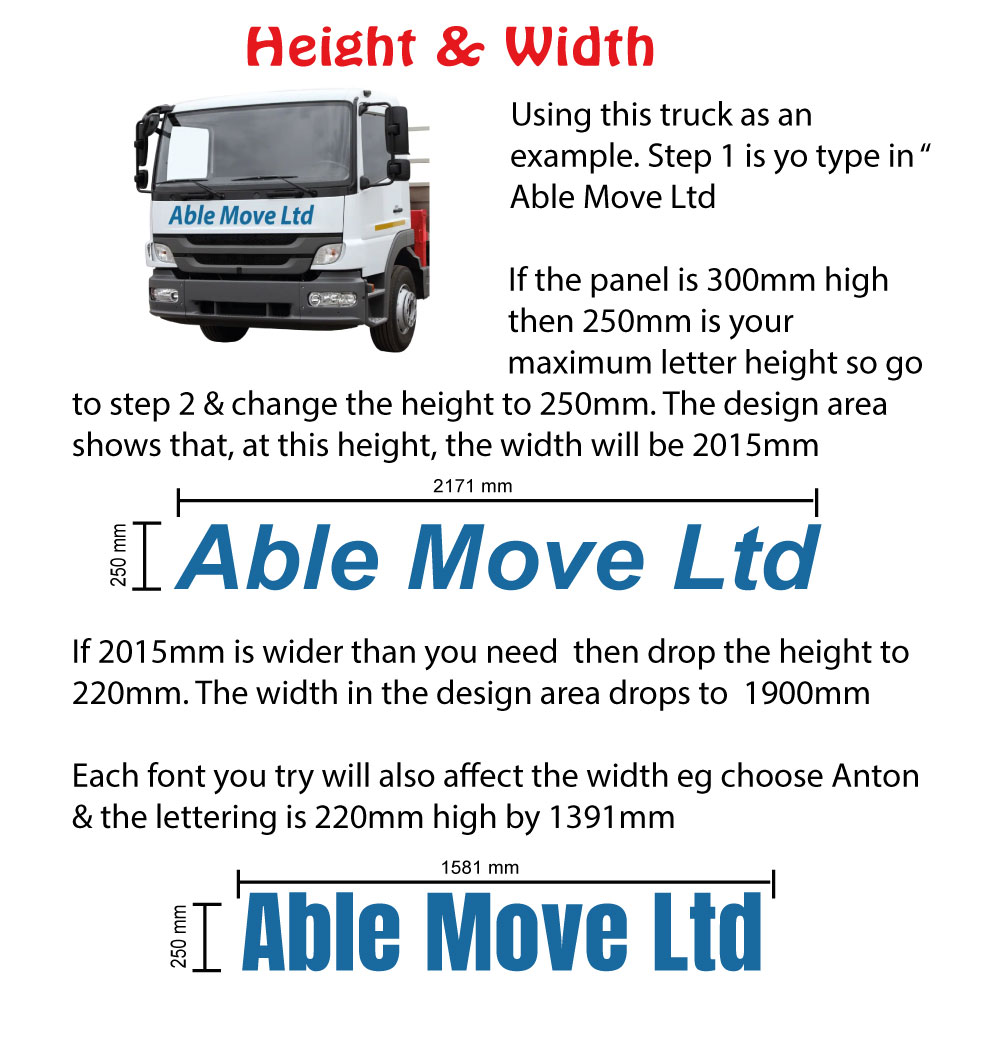
Decals are often chosen for clean, professional wording and simple graphic elements. Think company names on a van, opening times on a shop window, directional arrows, fleet numbers, safety messages or branded lettering on machinery. Because only the vinyl design is applied, the surface beneath it remains visible around every letter and shape.
This produces a crisp finish that can look painted on when fitted carefully. It is especially effective on smooth vehicle panels, glass, boards and signs. Cut vinyl is available in a wide range of colours and finishes, so it suits logos and text that do not rely on photographic detail or complex shading.
Decals require a little more care during fitting. The surface needs to be clean, dry and free from dust, wax and grease. Larger graphics need accurate positioning before they are pressed into place, as repositioning is not always possible. Application tape makes the process manageable, but it is worth allowing enough time to do it properly.
For businesses applying several vehicle or window graphics, consistent sizing and positioning matter. It can be sensible to use measured placement points, a squeegee and a clean working area. If you are uncertain about the artwork or fitting method, ask for guidance before ordering rather than trying to adapt the design after production.
Typical uses for decals
Decals are a strong choice for vehicle lettering, window graphics, safety wording, site identification, directional information, contact details and simple logo marks. They are designed for applications where a background-free finish is the priority.
Material, Finish and Durability Matter More Than the Name
Whether you choose a sticker or decal, vinyl grade has a direct effect on performance. An indoor promotional label does not need the same material as graphics exposed to weather, road dirt and repeated cleaning. Ordering a durable exterior-grade vinyl for a short indoor campaign may add unnecessary cost, while using a basic label outside can lead to fading, lifting edges or adhesive failure.
Start with the surface. Smooth painted metal, glass and sealed plastic are generally suitable for self-adhesive vinyl. Textured walls, rough timber, porous brickwork and uneven surfaces are more difficult. Adhesive needs consistent contact with the surface, so a graphic that performs well on a flat sign panel may not stay in place on a rough wall.
Then consider exposure. Outdoor graphics need resistance to rain, sunlight and temperature changes. Vehicle decals also face regular washing, road grime and movement. For these jobs, choose materials specified for external or vehicle use and follow the fitting guidance carefully. Avoid applying vinyl in very cold, wet or dusty conditions.
Finish affects both appearance and maintenance. Gloss vinyl makes colours look bright and is easy to wipe clean. Matt vinyl can reduce glare and creates a more understated result, which may suit interior displays or professional branding. Clear vinyl can work well on windows, though white ink and artwork visibility need to be considered during design.
Choosing the Right Product for Your Job
The quickest way to decide is to begin with the result you want people to see. If you need a full-colour label or a set of individual graphics, vinyl stickers are usually the practical answer. If you need lettering, contact details or a simple logo to sit directly on a surface without a background, decals are generally more suitable.
Artwork is the next consideration. Detailed photographs, colour blends and fine illustrations point towards printed stickers or printed contour-cut graphics. Solid colours, clear type and straightforward symbols are ideal for cut vinyl decals. Small text needs particular attention in either format: it must be large enough to cut or print cleanly and remain legible at the intended viewing distance.
Quantity also matters. Hundreds of small promotional stickers are easy to distribute and apply one at a time. A small number of large decals may take longer to fit but can deliver a more polished result on shopfronts, vehicles and site equipment. Neither is automatically better – they solve different display problems.
Prepare Before You Order
Good preparation reduces delays and avoids artwork that is difficult to produce. Measure the available space rather than estimating, particularly on vehicle doors, windows and narrow sign panels. Allow clearance around handles, seams, rub strips, hinges and curves.
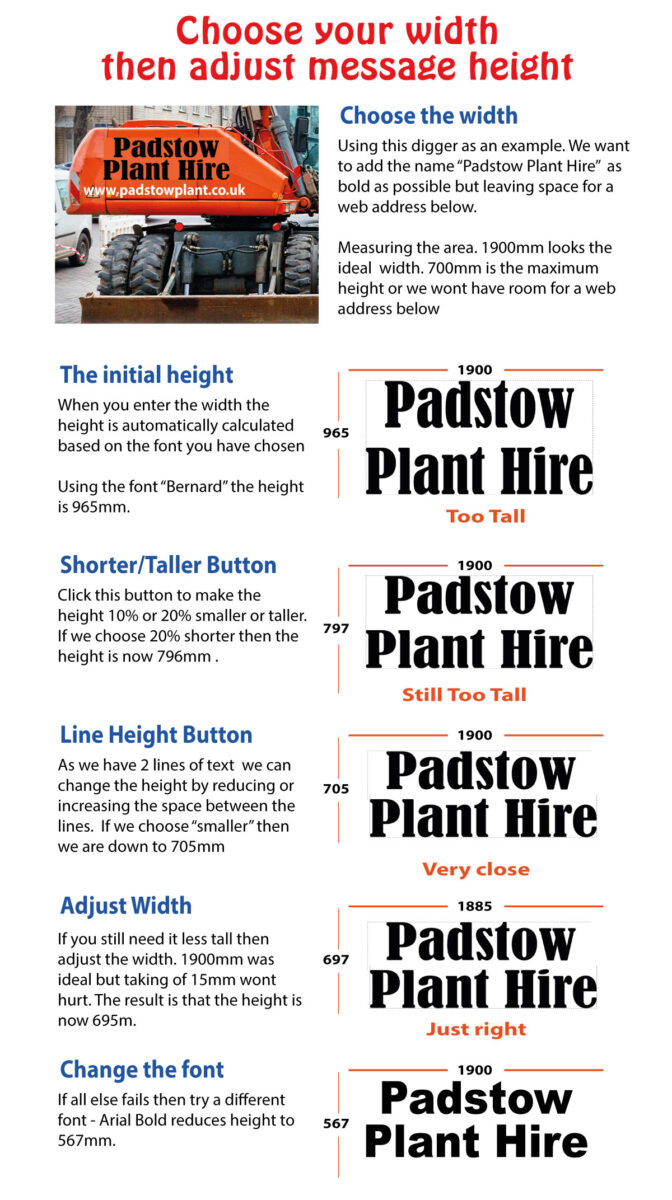
For printed stickers, supply a high-resolution logo or artwork file where possible. For cut decals, vector artwork is especially useful because it gives clean lines and accurate letter shapes at different sizes. Keep messages short where space is limited. A phone number, web address or safety instruction only works if it can be read quickly.
If you do not have finished artwork, use an online design option or request design support. Provide the wording, dimensions, preferred colours and a clear photograph of the intended surface if fitting space is awkward. This gives the production team the information needed to recommend a workable layout.
The SignBuilder can help businesses move from a simple idea to print-ready vinyl graphics, whether the job calls for individual stickers, cut lettering or a more detailed custom design. Choose the product based on the surface, viewing distance and expected lifespan, then give the fitting stage the same care as the design. A well-made vinyl graphic is only as effective as its placement.