A van parked outside a customer’s property is often seen by more potential customers than any advert you pay for. Effective trade van signage turns that everyday job into a clear introduction to your business: what you do, where you work and how people can contact you. The aim is not to cover every panel with information. It is to make the right information easy to read before the van has driven away.
For electricians, plumbers, builders, landscapers, cleaning companies and other mobile businesses, a professionally signed vehicle helps establish trust before the first conversation. It also makes a sole trader look established and helps growing firms present one consistent identity across every vehicle.
What trade van signage needs to achieve
The best vehicle graphics have a straightforward job. They make your business recognisable at a glance and give someone enough detail to take the next step. That might mean searching for your company later, calling from a saved number or visiting your website.
Start with the essentials: your business name, a short description of your trade, a phone number and a website address where relevant. A logo is valuable for recognition, but it should not replace a plain-English explanation of what you do. “J. Smith Services” says very little on its own. “J. Smith Plumbing and Heating” gives passers-by an immediate reason to remember the van.
Your signage should also reflect the work you want more of. A general building firm that is trying to win extension projects may give those services prominence, while a local gardener may focus on regular maintenance, fencing and landscaping. Be specific enough to attract suitable enquiries without making the layout crowded.
Make the message readable from the pavement
A common mistake is treating a van like a printed leaflet. People do not read vehicle lettering at a desk, and they may only have a few seconds to take it in. Strong contrast, large type and a simple hierarchy will do more for response than a long list of services.
Put the business name or logo first, followed by your main service. Contact details should be large enough to read at a sensible distance, particularly the phone number. If you include a web address, keep it short and avoid small text beneath door handles, trim lines or rear lights.
Colour choice matters because vans work in changing conditions. A pale colour on a white van can disappear in bright daylight, while dark lettering on a dark vehicle loses impact in poor weather. High-contrast combinations are usually the safest choice. Brand colours can still lead the design, but they need enough separation from the vehicle paintwork to remain legible.
It also helps to view the design as separate panels. Side panels have room for your main message. Rear doors are useful for contact details because following drivers have more time to read them. Bonnet graphics can improve visibility when the vehicle is parked, though they are rarely the best place for key information.
Keep service lists under control
Listing every task you can undertake may feel thorough, but it can weaken the design. Most people only need to understand your main offer. Choose two or three priority services, then direct customers to your phone number or website for the full range.
This is especially useful if your work changes through the year. Rather than replacing the full van design whenever you add a service, use a stable core message that represents the business properly over time.
Choose signage to suit how you use the van
There is no single right product for every vehicle or business. The best option depends on whether the van is owned, leased, shared between staff or used for short-term promotions.
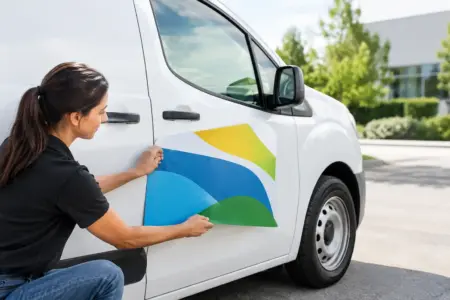
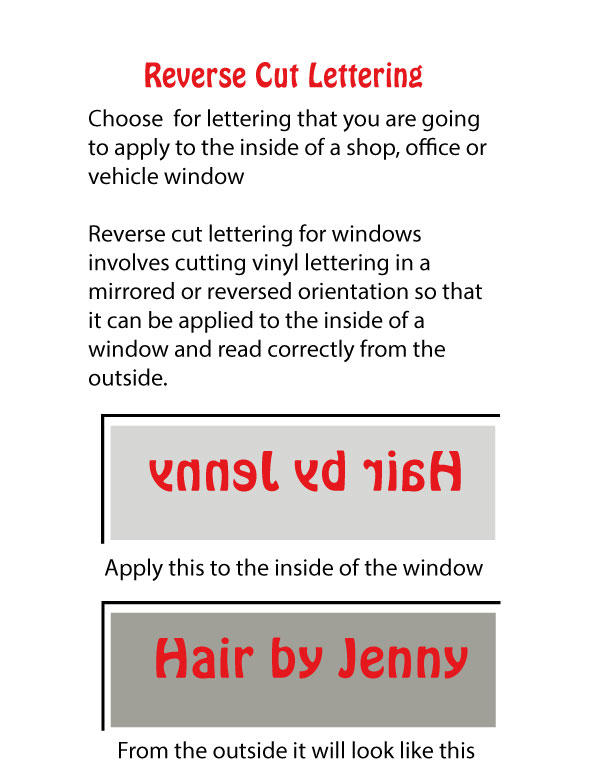
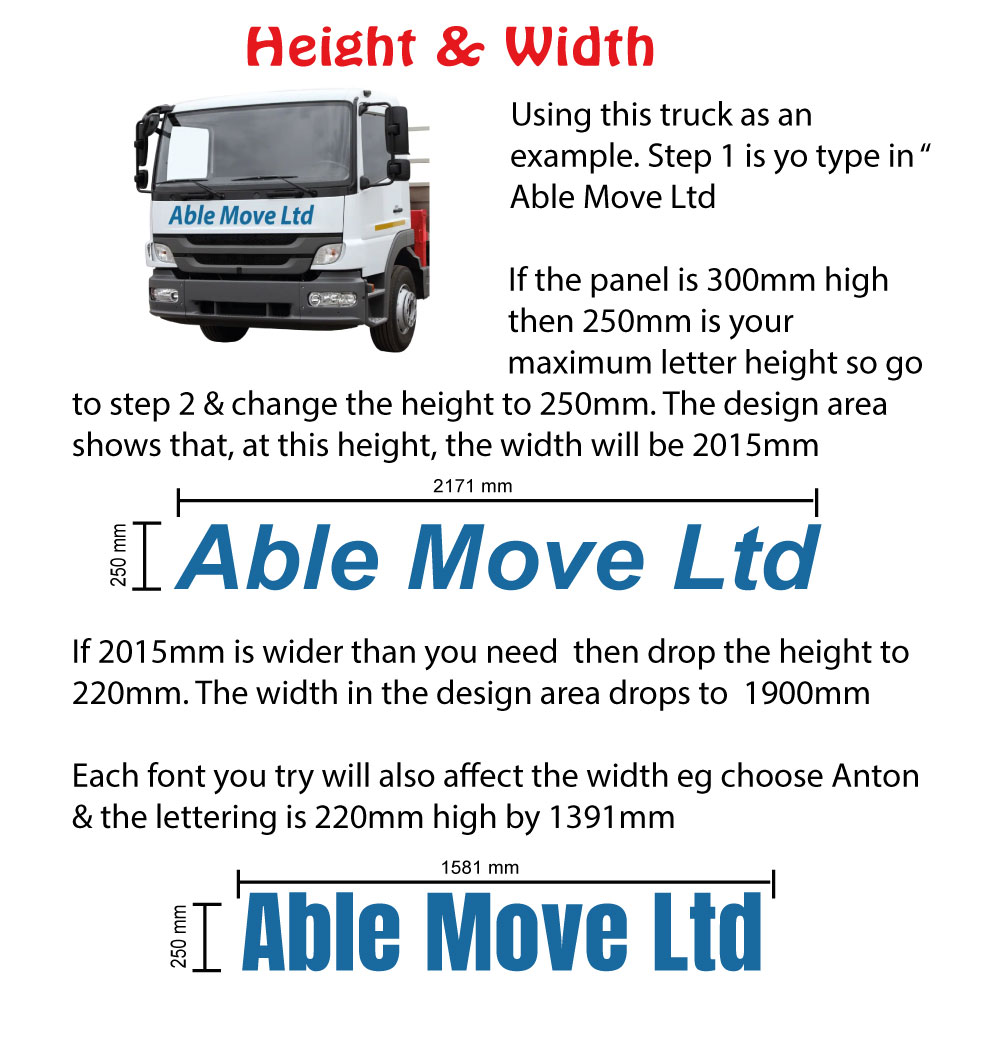
Vinyl lettering is a practical choice for business names, contact details, service descriptions and simple logos. Cut vinyl creates a clean, professional finish and works well when the design is led by bold text. It is a good fit for trades that want clear branding without an overly busy appearance.
Printed vehicle graphics allow for more detailed logos, images, colour fades and shaped elements. They can be used to build a more distinctive brand while still keeping vital information clear. The design still needs restraint: a high-detail graphic should support the message, not compete with it.
Magnetic signs are useful where a vehicle is not used exclusively for work, or where branding needs to be removed outside working hours. They are also suitable for temporary use and can be moved between compatible vehicles. However, they need a clean, flat metal surface to sit correctly and should be removed regularly for cleaning. They are not the right choice for every door material or every driving condition.
For leased vehicles, check the agreement before ordering any signage. It is sensible to understand what is permitted, how graphics can be removed and whether the vehicle must be returned in a particular condition. Planning this early avoids an expensive change later.
Build a consistent look across vehicles and staff
A single signed van can make a difference. A small fleet with matching vehicle graphics, site signs and branded workwear makes an even stronger impression. Consistency tells customers they are dealing with an organised business, particularly on visible domestic jobs, commercial sites and public-facing maintenance work.
That does not mean every item needs identical artwork. A hi-vis garment, a site board and a van panel all have different viewing distances and practical requirements. They should share the same logo, colours and type style, while allowing each product to do its own job clearly.
If several drivers use your vehicles, set a simple standard before ordering. Agree where logos sit, which services are listed and which contact details are used. This makes future re-orders quicker and prevents each new van from becoming a slightly different version of the same brand.
Prepare artwork before production
Good artwork saves time and reduces the risk of disappointing results. If you have a logo, supply the best version available rather than a screenshot from a social media profile. Vector artwork is ideal for clean-cut lettering and logos, while high-resolution files are needed for printed graphics.
Check every word before approving a design. A wrong digit in a phone number, an outdated website or an old trading name is much harder to correct once graphics are produced and fitted. It is worth asking someone unfamiliar with the business to look at the layout too. If they cannot tell what you do within a few seconds, simplify it.
Photographs of the van can be helpful when planning placement, particularly if it has windows, mouldings, handles or non-standard panels. Measurements matter, but a visual reference helps avoid placing important elements where they will be interrupted by the vehicle’s features.
Design online, upload artwork or ask for help
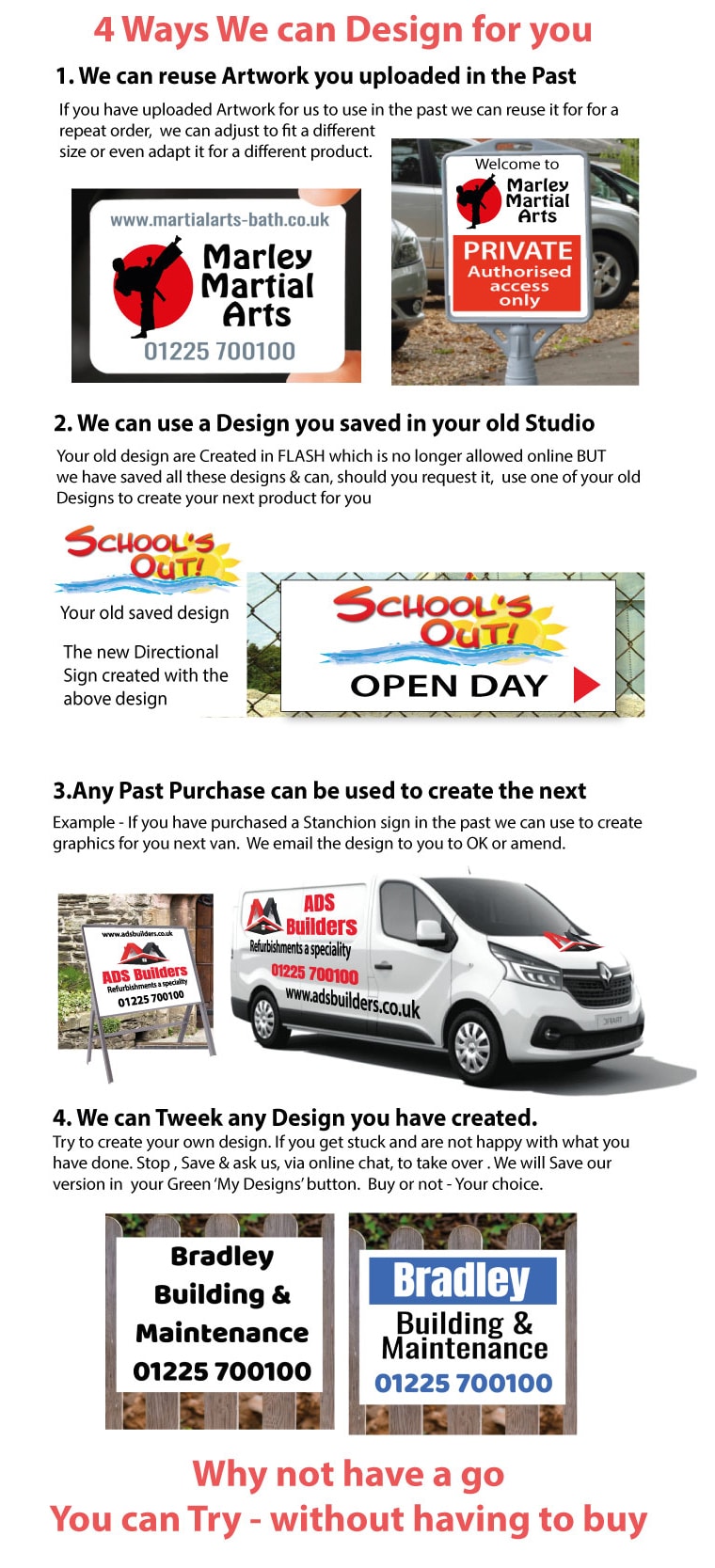
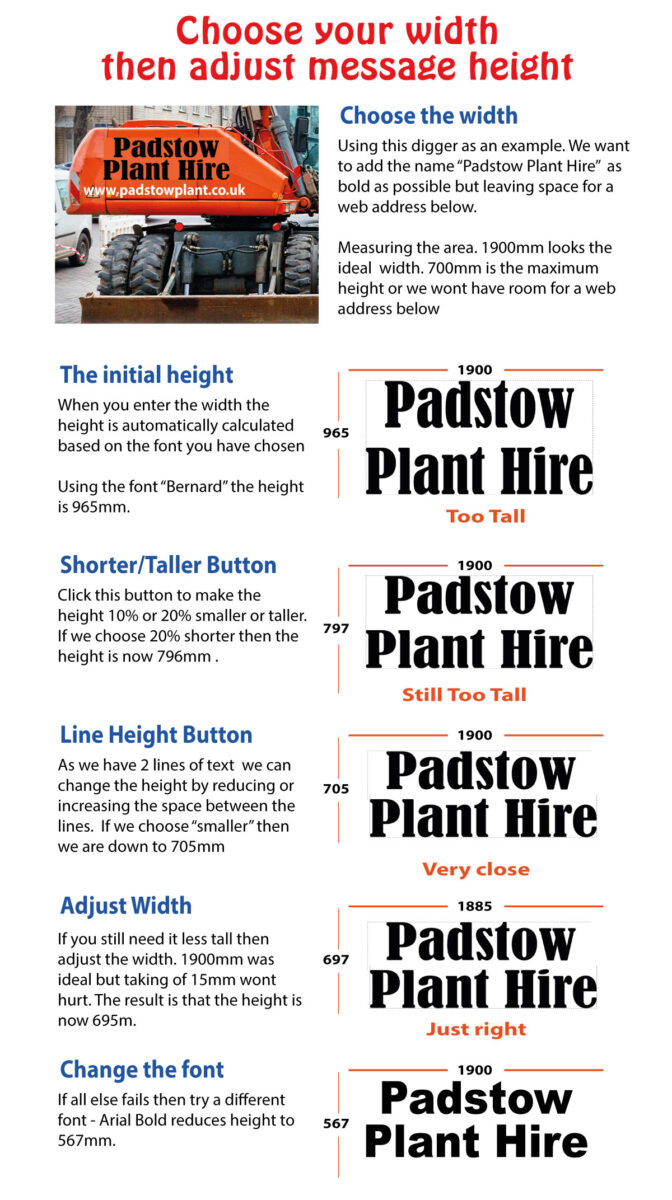
Different businesses need different ordering routes. If you know exactly what you want, an online design tool can be the quickest way to create straightforward lettering or signs. If you already have approved branding, upload your own design so it can be prepared for production.
Where the brand is still taking shape, it is often better to request design support. A practical layout based on the right vehicle panels and essential details can prevent costly guesswork. The SignBuilder can help businesses move from an idea or existing logo to production-ready vehicle graphics.
Think beyond first installation
Van signage works hard, so it needs basic care. Keep the vehicle clean, especially around graphic edges, and follow the fitting and cleaning guidance provided for the material. Regular checks are worthwhile if the van is used on building sites, down narrow lanes or for high-mileage work.
Review the signage whenever your business changes. New services, a new number, additional service areas or a refreshed logo are all reasons to check whether the vehicle still reflects the business accurately. For a fleet, keep approved artwork and specifications on file so replacement vehicles can be matched without starting again.
The most effective trade van signage is not the loudest design on the road. It is the one that makes a busy passer-by understand your service, remember your name and feel confident enough to get in touch when they need the work done.