A car magnetic signage review needs to start with the question most buyers actually have: will it look professional on the road without committing the vehicle to permanent graphics? For many tradespeople, mobile services and small fleets, the answer is yes – provided the sign is fitted to the right panel and looked after properly.
Magnetic vehicle signs offer a practical middle ground. They put your business name, contact details and key services in front of local customers while allowing a vehicle to return to an unbranded appearance when needed. That makes them particularly useful for privately used cars, leased vehicles, temporary promotions and staff vehicles.
Car Magnetic Signage Review: What You Get
A well-made magnetic sign is a printed panel with a magnetic backing designed to hold firmly to suitable steel vehicle bodywork. It can carry a logo, business name, telephone number, website address, service list or simple promotional message. The best designs are clear from a distance, with a strong contrast between text and background rather than too much small print.
The main attraction is flexibility. Unlike fixed vehicle lettering, a magnetic sign can be fitted in minutes, removed at the end of the working day and transferred between compatible vehicles. For a sole trader who uses one car for family travel and customer visits, that flexibility can be more valuable than a permanent finish.
They are also a sensible choice when branding requirements may change. A new phone number, revised service area or updated logo does not mean altering the vehicle itself. You can simply order a replacement panel.
That said, magnetic signage is not an answer for every vehicle or every working pattern. Its performance depends on the vehicle surface, daily use and care routine. Treat it as a practical sign product, not a fit-and-forget accessory.
Where Magnetic Signs Work Best
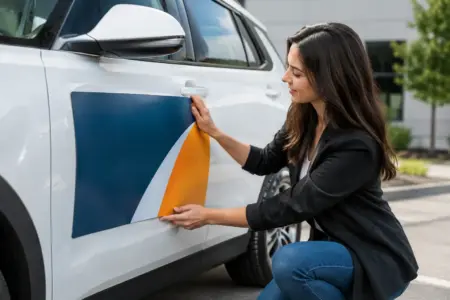
Magnetic panels are most effective on flat, clean steel areas such as vehicle doors. They suit businesses that need visible identification during working hours but not all the time. Electricians, cleaners, mobile therapists, property services, event teams and local delivery businesses often benefit from this approach.
They are especially useful where different people use the same vehicle. A business can issue matching signs to staff for a campaign, seasonal service or local event, then collect them afterwards. This keeps the presentation consistent without changing every vehicle permanently.
For short-term marketing, magnetic signs can also make more financial sense than a larger vehicle graphics project. If you are testing a new service or working a specific area for a limited period, a straightforward pair of door signs can establish a professional presence quickly.
The sign must, however, sit on a suitable surface. Not every section of a modern car is magnetic. Aluminium, plastic and fibreglass panels will not hold a magnetic sign, and curved areas reduce contact with the bodywork. Before ordering, test the proposed position with a household magnet. Check both sides of the vehicle, as panel materials can differ.
The Advantages in Day-to-Day Use
The strongest point in favour of magnetic signage is control. You decide when the business is displayed. That is useful if the vehicle is parked at home, used outside work or driven by someone else at weekends.
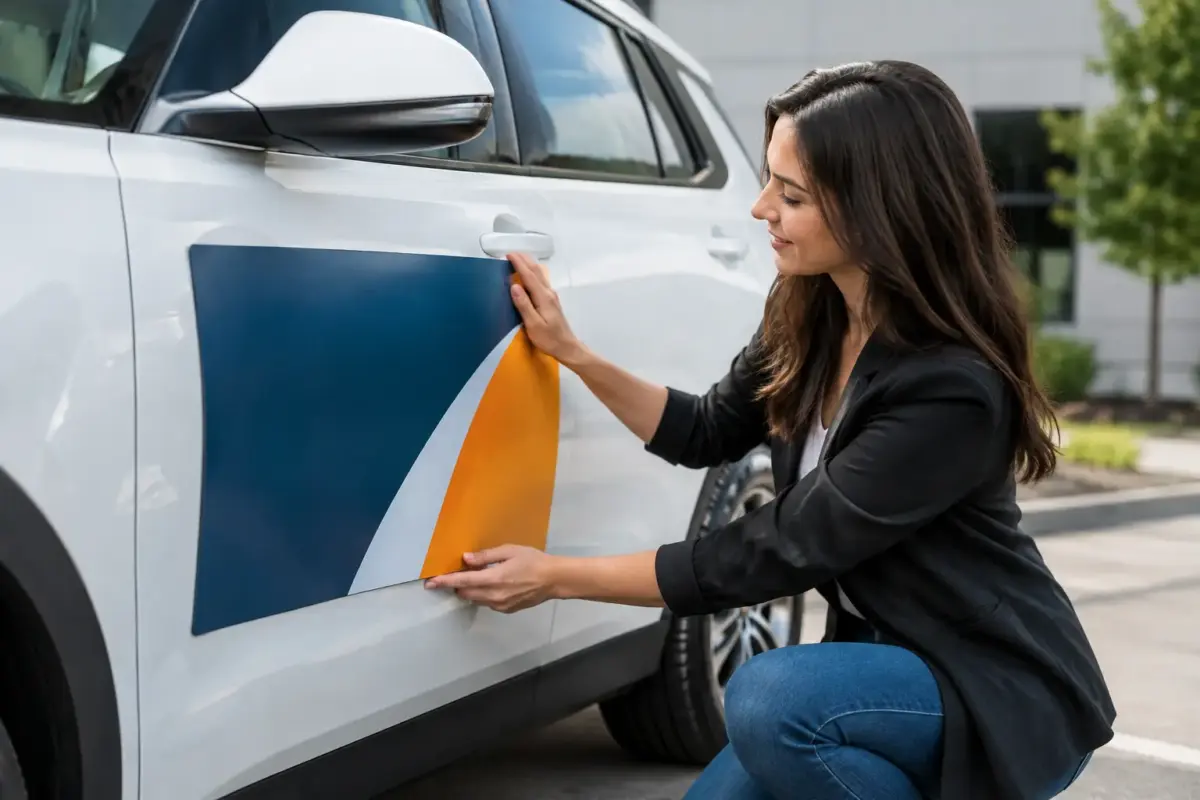
Fitting is uncomplicated when the panel and vehicle are clean and dry. Position the sign carefully, then place it flat against the bodywork. Do not bend it around contours or leave an edge raised. A full, even contact area helps it stay secure and look tidy.
Because the sign can be removed, routine cleaning is easier than many buyers expect. Take it off before washing the vehicle, clean the sign and the panel behind it, then refit only when both surfaces are fully dry. This also gives you a chance to inspect the magnetic backing for grit, damage or distortion.
For business owners, magnetic signs are also easy to replace as the company grows. You might start with a business name and mobile number, then later introduce a logo, QR code or clearer service message. Keeping the design concise remains important. A sign read in passing needs to communicate one clear point, not reproduce a full leaflet.
The Trade-Offs to Consider
The convenience of magnetic signs comes with a maintenance requirement. Dirt, moisture and road film can become trapped between the panel and the paintwork. Left in place for long periods, this can mark the surface or create uneven fading around the sign. Regular removal and cleaning is part of using the product correctly.
They are also more exposed to poor fitting than fixed vehicle graphics. A sign applied over dust, moisture, a crease or a heavily curved section may not sit securely. Never slide a magnetic panel into place, as grit can scratch the paint. Lift it off and reposition it instead.
Speed, weather and road conditions matter too. A correctly fitted sign on a clean, suitable panel is intended for normal road use, but damaged, curled or badly positioned panels should not be relied upon. Check signs before longer journeys, particularly after they have been stored, moved between vehicles or exposed to strong heat.
Storage deserves attention. Keep magnetic signs flat when not in use, with the magnetic face protected from debris. Do not fold, roll or place heavy objects on them. A distorted sign is harder to fit securely and gives a poorer finish on the vehicle.
There is also a branding trade-off. A removable sign will not have the fully integrated appearance of permanent vehicle graphics. For a large fleet that is branded every day, permanent options may be more appropriate. For a flexible, lower-commitment solution, magnetic signage remains highly effective.
Choosing a Design That Can Be Read
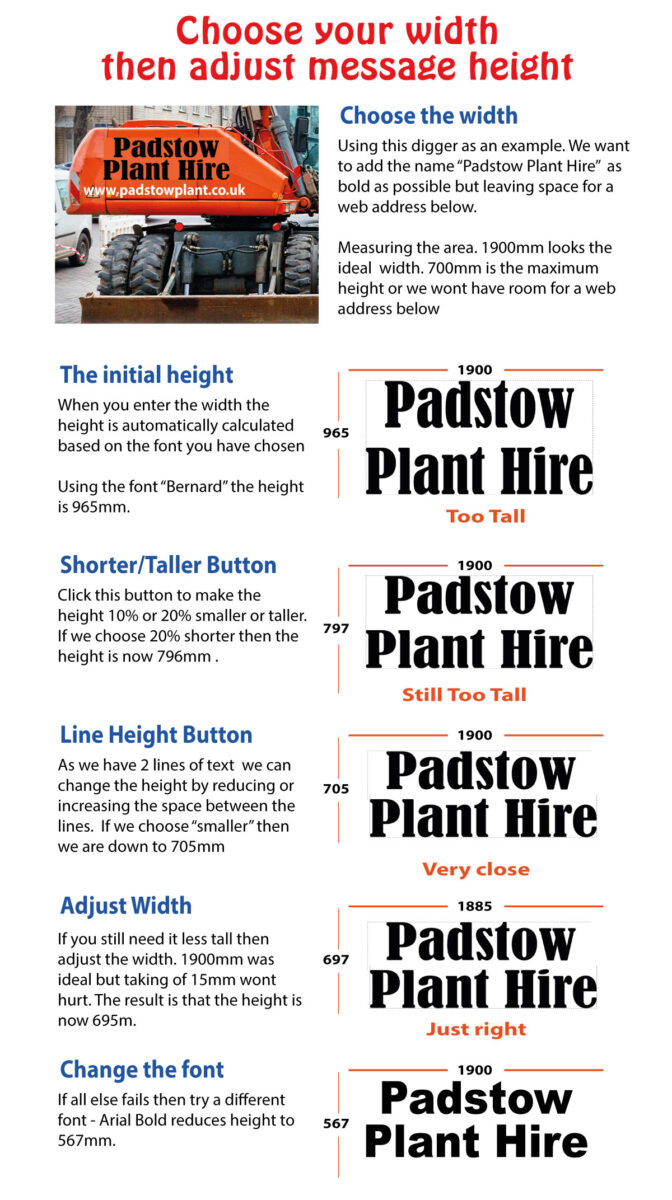
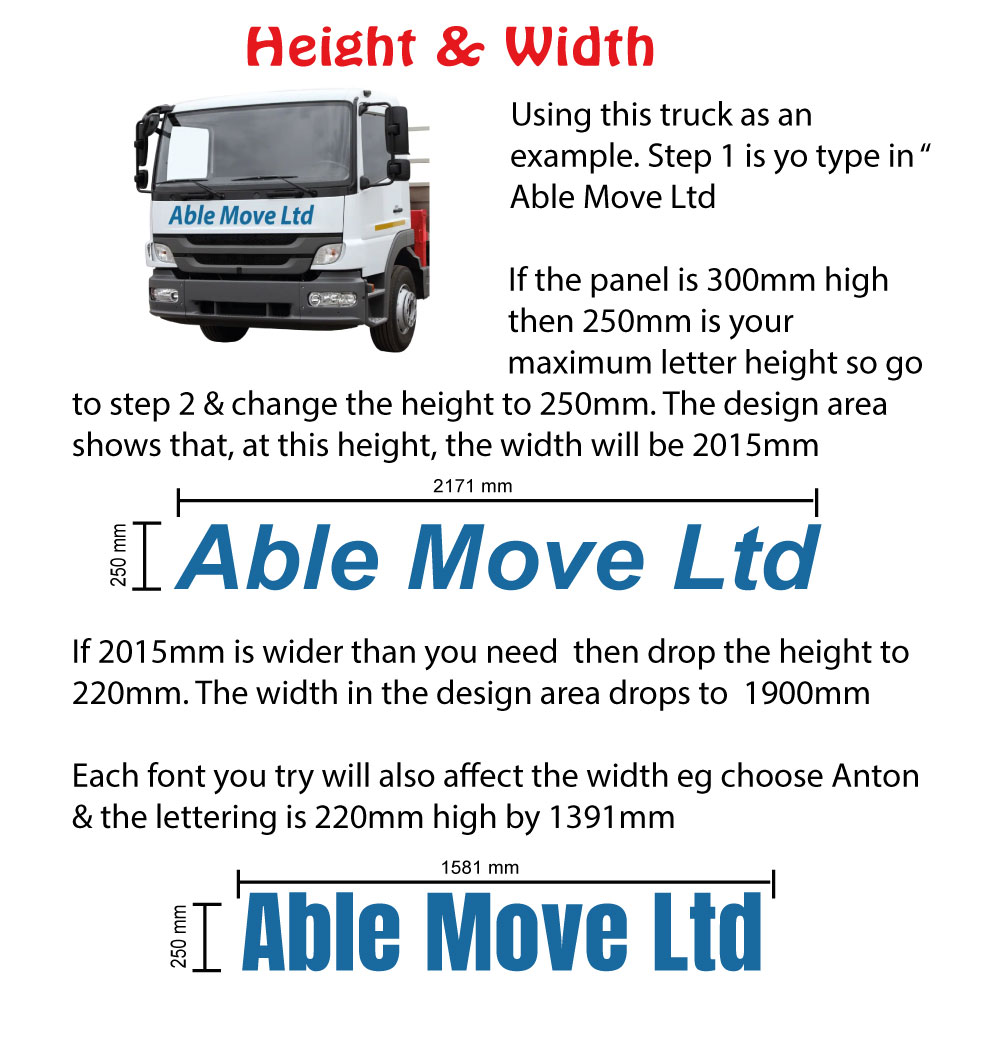
A magnetic vehicle sign has only a few seconds to do its job. The most useful layout normally includes your logo or business name, your main service and one direct contact method. If you serve a defined area, adding the town or region can help customers understand your offer quickly.
Avoid putting every service, social media account and accreditation onto one panel. Small lettering is difficult to read from another vehicle, pavement or passing traffic. Strong type, simple wording and clear spacing create a better impression than a crowded layout.
Colour choice matters just as much. Dark text on a light background, or light text on a dark background, is generally easier to read than colours with similar tones. If your logo contains detailed elements, make sure they remain recognisable at the finished sign size. A design that looks good on a screen can become unclear once viewed from several metres away.
Ordering a pair of matching signs for the front doors is usually the most balanced option. It gives visibility from either side of the road and creates a more deliberate, professional look. Rear signage can be useful too, but only where there is a flat, compatible surface and the message can be read safely.
Fitting and Care Checklist
Before each fitting, use this simple routine:
- Check that the intended area is flat and made from magnetic steel.
- Wash and dry both the vehicle panel and magnetic backing.
- Place the sign directly onto the panel, ensuring every edge lies flat.
- Remove it regularly to clean behind it and inspect for grit or damage.
- Take it off before using an automatic car wash or pressure washer.
- Store it flat, clean and dry when not in use.
This routine takes little time, but it protects both the sign and the vehicle finish. It also reduces the risk of discovering a loose edge halfway through a busy working day.
Is Magnetic Signage the Right Choice?
Choose magnetic signs when flexibility is a priority, your vehicle has suitable steel panels and you are prepared to remove and clean them regularly. They are a practical fit for owner-operators, temporary campaigns, part-time work and businesses that want a professional identity without a permanent change to the vehicle.
Look at more fixed vehicle branding if the car is business-only, used daily on long-distance routes, has incompatible panels or needs a continuous branded appearance. There is no single right answer. The better option is the one that suits how the vehicle is used, parked, cleaned and shared.
For a clear, dependable result, start by checking the vehicle surface and deciding what a potential customer needs to read first. A simple, well-fitted magnetic sign can turn routine journeys into useful local advertising while keeping your options open.