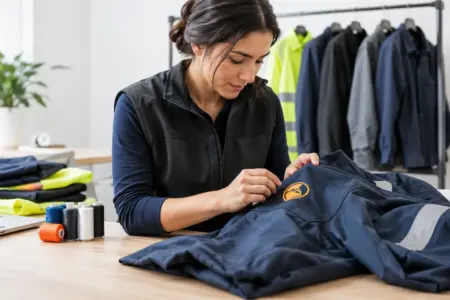
A clean logo on a work hoodie, polo shirt or hi-vis garment does more than identify who is on the team. It helps customers find the right person, gives staff a more professional appearance and keeps your business visible beyond the office or site. Garment personalisation is a practical part of presenting a well-run business, whether you need ten garments for a new team or regular orders across several locations.
For trades, retailers, hospitality venues, event teams and local organisations, the right clothing needs to work hard. It must suit the job, carry clear branding and remain comfortable enough to be worn repeatedly. Choosing the garment and print together, rather than treating branding as an afterthought, makes a noticeable difference.
Start with where the garment will be worn
The best personalised clothing starts with the task. A lightweight T-shirt can be right for a summer promotion, indoor retail team or charity event. A polo shirt offers a smarter everyday option for customer-facing staff. Sweatshirts, hoodies and jackets add warmth for early starts, outdoor work and colder premises.
Consider the working environment before focusing on colour or logo position. Warehouse staff may need durable layers that can cope with regular washing. Tradespeople often benefit from practical garments that fit comfortably under outerwear. Hospitality teams may need a coordinated look that feels smart without being restrictive during a long shift.
Hi-vis clothing has a different purpose again. Visibility and suitability for the role come first, with branding placed where it remains clear without reducing the garment’s practical function. If a garment forms part of site safety requirements, check the specification you need before ordering.
Choose colours that support your brand and the job
Brand colours matter, but they are not the only consideration. A dark garment can be more forgiving in workshops, kitchens, delivery work and outdoor roles. Lighter colours can suit indoor teams, exhibitions and promotional activity, although they may show marks more quickly.
The print needs enough contrast to be read at a glance. A dark logo on a black hoodie may look subtle on screen but can disappear from a few metres away. Likewise, a pale design on a light garment may lack impact. Where your logo includes fine detail, a simple garment colour often produces the clearest result.
Think about the wider picture too. If your vans, site signs and printed materials use a recognisable colour palette, workwear can carry that same identity. This creates a more consistent impression when staff arrive on site, greet customers or represent your business at an event.
Keep the design easy to recognise
A garment is not a leaflet. People often see it while someone is moving, carrying equipment or standing at a distance. The most effective designs are usually straightforward: a clear logo, business name and, where useful, a short service description or contact detail.
Large blocks of text, small addresses and dense lists of services are rarely easy to read on clothing. If you need to include a phone number or website, make sure it is large enough to be useful. In many cases, a strong logo on the front and fuller contact details on the back is a sensible arrangement.
Decide on print positions before placing your order
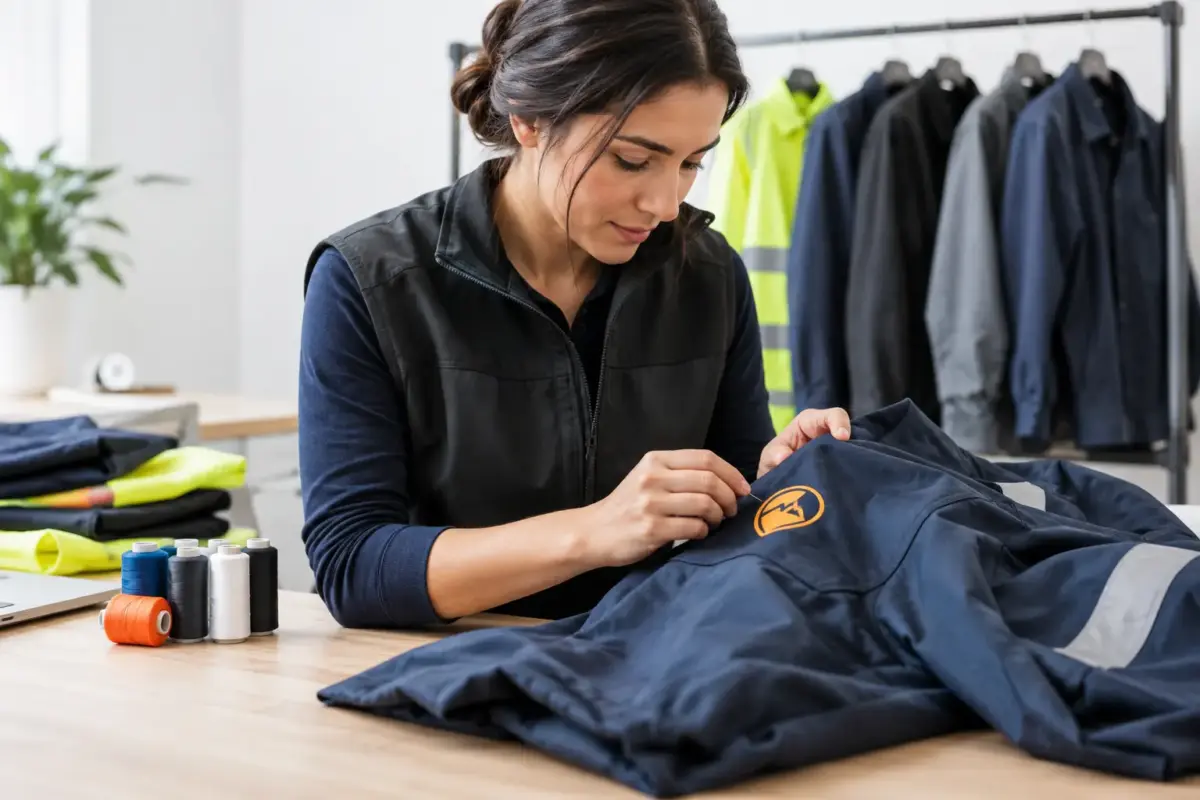
Front left chest placement is a familiar choice for company logos. It keeps the branding visible without dominating the garment and works well across polos, T-shirts, sweatshirts and jackets. A larger back print is useful for businesses whose staff spend much of the day facing away from customers, such as trades, event crews and delivery teams.
Sleeve prints can add a small extra detail, but they are best kept simple. They are usually more effective for a short web address, a small logo or a team identifier than for detailed information. Front-centre prints can work well for promotional clothing, clubs and campaign garments where the main message needs to be immediate.
There is no single correct layout. A café may choose a small chest logo for a tidy uniform appearance, while a landscaping business may favour a chest logo and large back design for visibility on site. What matters is matching the layout to how staff will be seen.
Supply artwork that is ready for production
Good artwork saves time and improves the finished result. If you already have a logo, provide the clearest version available. Vector artwork is generally preferred for sharp edges and scalable designs, while high-resolution print files can also be suitable depending on the artwork and product.
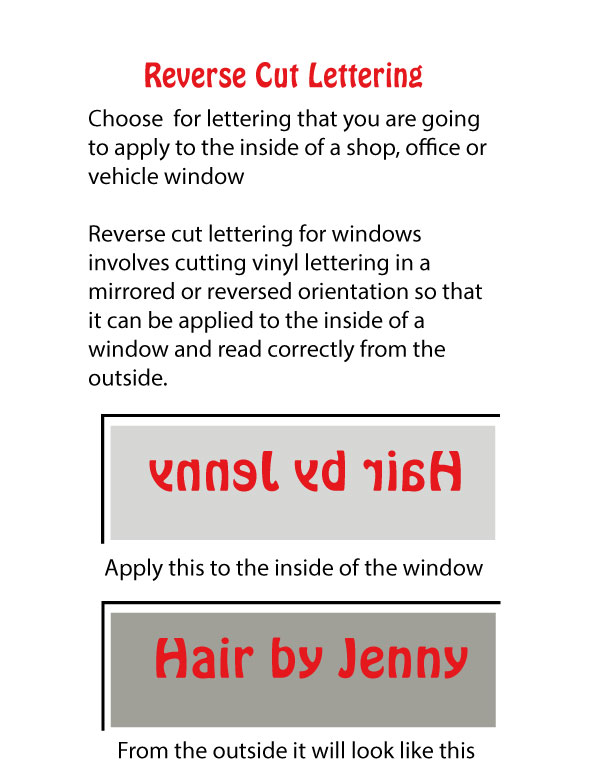
Avoid screenshots, compressed images copied from social media and logos lifted from old documents where possible. These can look blurred or pixelated when enlarged for clothing. If your design includes text, check spelling, phone numbers and web addresses carefully before approval. A small mistake on a screen is inconvenient. A mistake repeated across a team order is more costly.
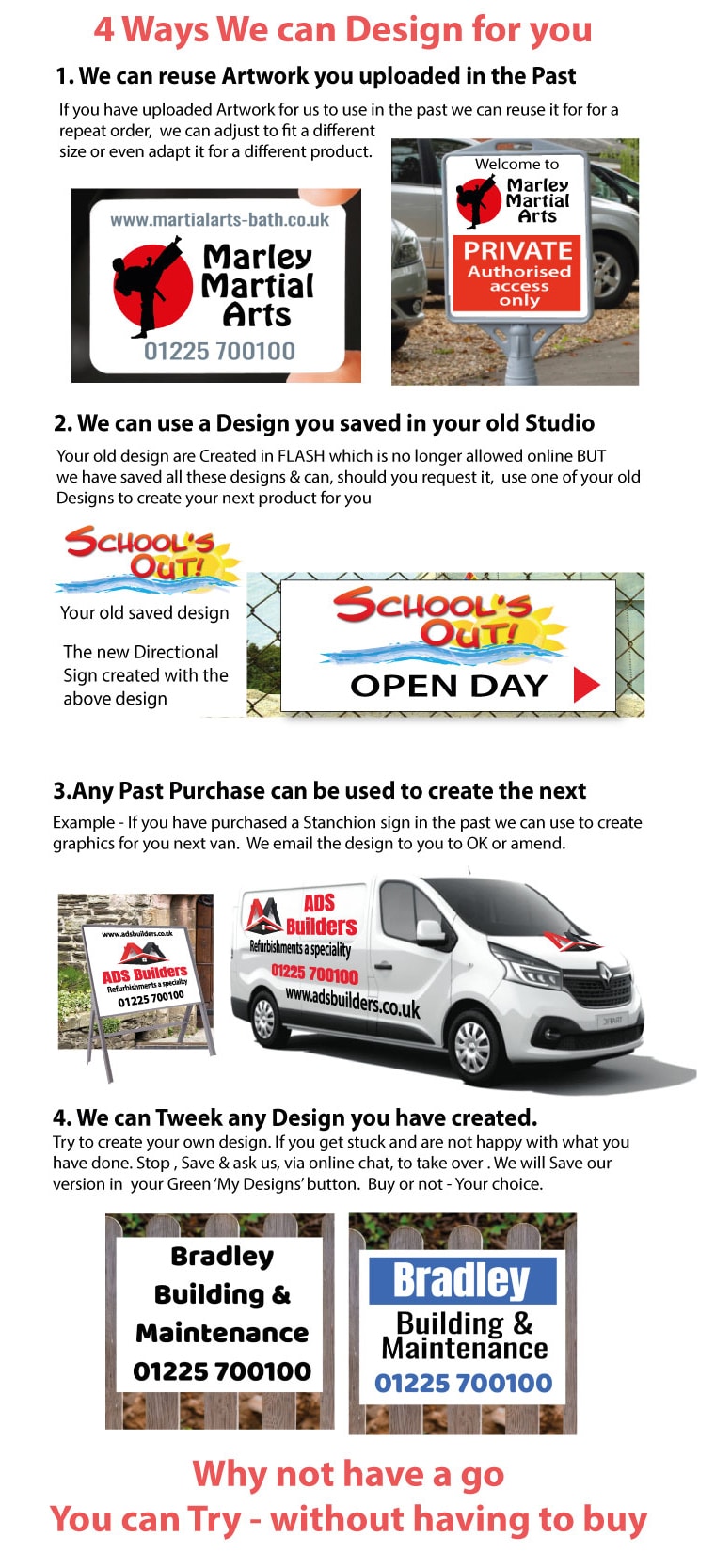
If you are unsure about artwork quality, use an artwork checking or design assistance service before production. It is better to resolve an issue at the proof stage than to discover it once garments have been printed.
Plan for repeat orders
Workwear is rarely a one-off purchase. New starters join, garments wear out and seasonal layers are added as the year changes. Keeping the same logo, garment colours and print positions makes repeat ordering quicker and helps your team maintain a consistent look.
It is useful to record the garment style, colour, sizes and agreed print layout after the first order. For businesses with multiple staff roles, create a simple standard for each group. For example, office and showroom staff may use polos, site teams may use hoodies and work T-shirts, and event staff may have a separate promotional design.
Consistency does not mean every person needs exactly the same item. It means the range looks intentional. Staff can have garments suited to their role while still being clearly part of the same business.
Balance cost with how often clothing will be used
The lowest garment price is not always the lowest long-term cost. A busy team may need clothing that stands up to frequent washing and daily use. For a one-day event, a lighter promotional option may be entirely appropriate. The right choice depends on expected wear, the work environment and the impression you need to create.
Ordering a sensible quantity can also improve efficiency. Include a few spare sizes if staff numbers are likely to change, particularly for customer-facing roles where uniform consistency matters. However, avoid over-ordering highly specific garments if your branding or staffing is likely to change soon.
For short-run requirements, personal use or team gifts, flexibility may matter more than bulk pricing. For regular workwear programmes, a planned set of core garments can make ordering more predictable and reduce last-minute decisions.
Make garments part of a joined-up business presence
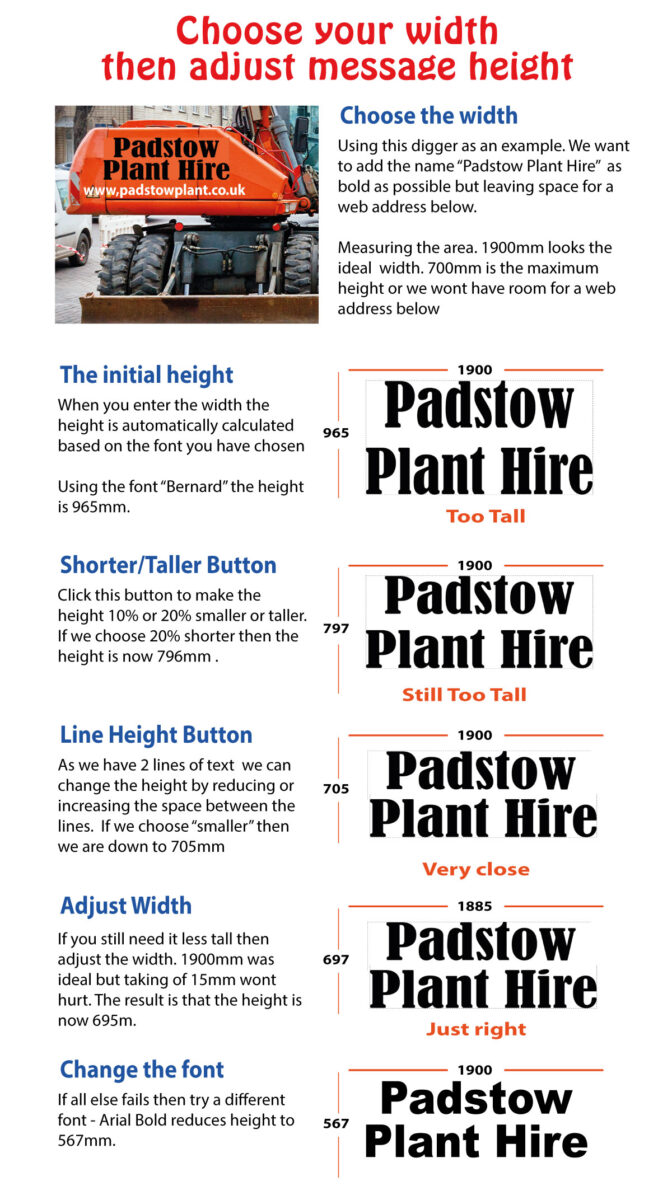
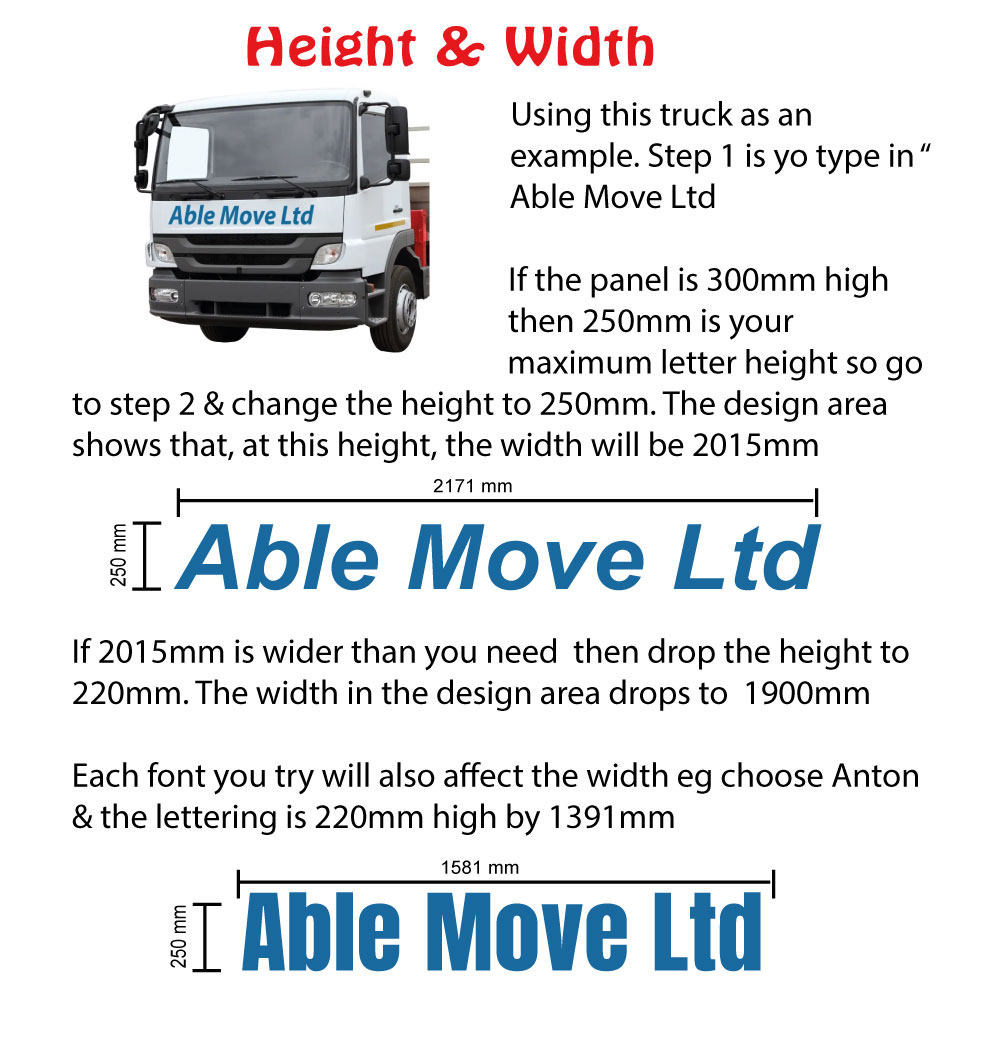
Printed clothing works best when it supports the rest of your physical branding. A customer who sees the same logo on your staff clothing, vehicle graphics, site boards and event banner is more likely to remember your business. It also makes temporary teams, pop-up stands and off-site work look more established.
This does not require every item to carry every piece of information. Use each product for what it does best. Signs can handle detailed directions and safety messages. Vehicle graphics can promote services on the move. Garments should make staff identifiable and reinforce who they represent.
The SignBuilder can help businesses bring these practical products together, from branded workwear and printed clothing to the signs and graphics that support them.
Before ordering, look at the garment as your customer will see it: from a distance, in the workplace and after a full day of use. If the logo is clear, the clothing suits the job and your team would be comfortable wearing it, you have made a sound choice.