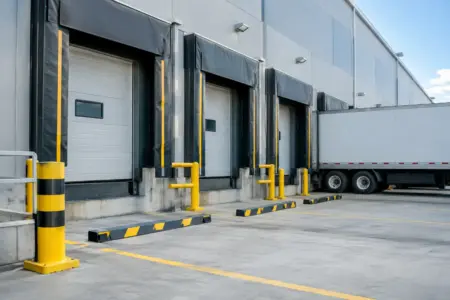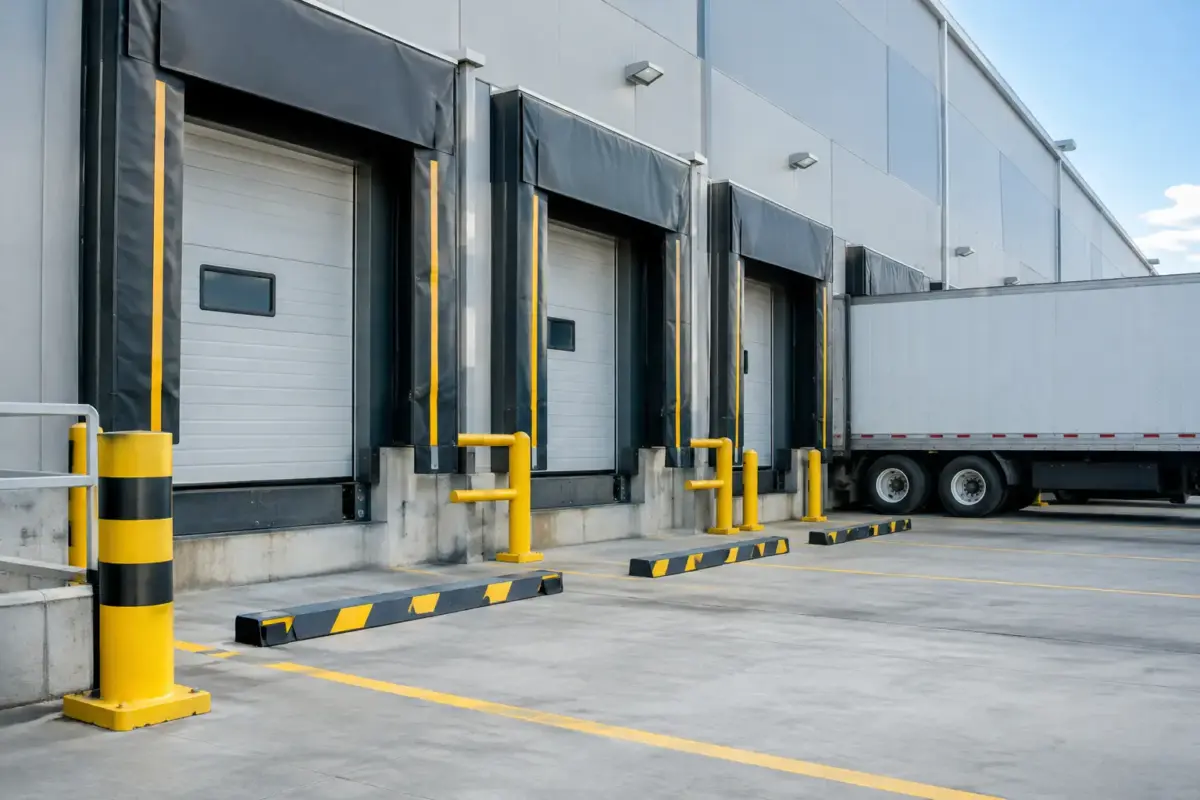
A loading bay can become disorganised in minutes. A delivery arrives early, a visitor parks where they should not, a pallet is left near a fire exit and a reversing vehicle has limited visibility. The best signs for loading bays give drivers, staff and visitors clear instructions before these everyday problems become delays or safety risks.
For most sites, one generic ‘Loading Bay’ sign is not enough. The right combination depends on how vehicles enter and leave, whether pedestrians use the same area, the delivery hours in force and the rules that apply to your premises. Clear signs support a safer, more efficient goods-in area without making it difficult for drivers to understand where they need to be.
What makes a loading bay sign effective?
A useful loading bay sign answers a practical question quickly: where can I stop, who has priority, what must I do, or what must I avoid? It needs to be readable from the point at which a driver or pedestrian has to make a decision, not once they are already in the wrong place.
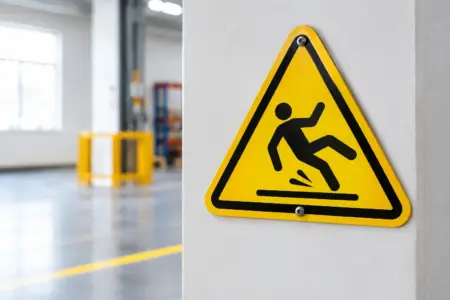
Use short wording, familiar safety symbols and strong contrast. Black on yellow is widely recognised for warnings, while blue circular symbols are suitable for mandatory instructions and red prohibition symbols communicate restrictions. Where site rules are specific, plain wording such as ‘Delivery Drivers Report to Reception’ is often clearer than relying on a symbol alone.
Signage should work with your traffic plan, markings, barriers and staff procedures. A sign cannot make a poorly laid-out bay safe by itself, but it can reinforce the rules that keep people and vehicles separated.
8 best signs for loading bays
The best mix will vary by site, but these are the signs most businesses should consider when organising a working loading area.
1. Loading bay only signs
A clearly marked ‘Loading Bay Only’ sign establishes the purpose of the space and helps prevent it being used as general parking. This is particularly useful outside shops, warehouses, trade counters, hospitality venues and shared commercial units where cars may otherwise occupy the bay.
If a bay is intended only for deliveries, add wording that makes the restriction clear, such as ‘No Waiting Except for Loading’. Do not use vague wording if you need the sign to support an enforceable site rule. State who may use the area and when.
2. Delivery driver reporting signs
Drivers need to know what to do on arrival. A sign directing them to reception, a goods-in office, a gatehouse or a designated call point can stop drivers walking around an unfamiliar site or reversing unnecessarily.
Include the location and, where needed, a simple instruction such as ‘Switch Off Engine and Report to Goods In’. If drivers must wear high-visibility clothing or wait for a banksman, put that requirement at the reporting point as well as at the bay entrance.
3. Reversing vehicle warning signs
Reversing is one of the highest-risk activities around loading areas. Signs such as ‘Caution: Reversing Vehicles’, ‘Keep Clear’ and ‘Beware of Moving Vehicles’ alert pedestrians before they enter a vehicle manoeuvring zone.
Place these signs on pedestrian approaches, building exits and routes leading from staff parking areas. A warning sign facing only the driver is not enough if warehouse staff, visitors or customers can walk into the same space. Where reversing is routine, combine signage with a clear exclusion area and a managed procedure.
4. Pedestrian route and crossing signs
Where people need to cross near the bay, signs should direct them to the safest route rather than simply telling them to be careful. Marked walkways, crossing points and ‘Keep to Pedestrian Route’ signs make the intended separation obvious.
This is especially valuable at sites where office staff, customers or temporary workers may not understand the usual vehicle movements. If there is no safe crossing point, a ‘No Pedestrian Access’ sign may be appropriate, but only where an alternative route is available.
5. Mandatory PPE signs
Loading work can require high-visibility clothing, safety footwear, hard hats or other site-specific protection. A mandatory sign at the entry point makes the requirement visible before a driver leaves their cab or a visitor enters the operational area.
Keep the message focused on what is genuinely required. Too many symbols on one board can reduce the chance that people read any of them. If the requirement changes between zones, use separate signs at each transition rather than one large, cluttered notice.
6. Height, clearance and vehicle restriction signs
Canopies, dock shelters, roller shutters and covered bays all create clearance risks. A prominently displayed maximum height sign can prevent costly damage before a lorry enters the restricted area.
You may also need restrictions for vehicle length, weight, axle load or access direction. These details must be accurate and placed before the driver commits to the route. A restriction sign beside a low canopy is too late if there is no room to turn around safely.
7. No parking, keep clear and fire exit signs
Loading bays often contain emergency exits, roller shutter controls, electrical equipment, hydrants or access routes that must remain clear. A targeted ‘Keep Clear’ or ‘No Parking’ sign prevents these areas being blocked by vehicles, cages or pallets.
Make the reason clear where it helps compliance. ‘Keep Clear – Fire Exit’ gives a stronger instruction than ‘No Parking’ alone. For wider access routes, repeat signs at sensible intervals so the restriction is visible from both ends of the bay.
8. Speed limit and one-way system signs
Even at low speed, vehicle movements in a tight yard need control. Site speed limit signs, one-way arrows and ‘Give Way’ signs help remove guesswork at entrances, blind corners and shared routes.
Choose a speed limit that reflects the actual site layout and enforce it consistently. A very low limit displayed without any practical control may be ignored. Signs work best when routes are visibly laid out and drivers can see where they are expected to travel.
Choosing the right material and format
The location determines the material. For a fixed outdoor bay, rigid aluminium composite signs are a practical choice because they are durable, lightweight and suited to regular exposure. For indoor warehouse walls, rigid plastic signs may be sufficient where there is less weathering and lower risk of impact.
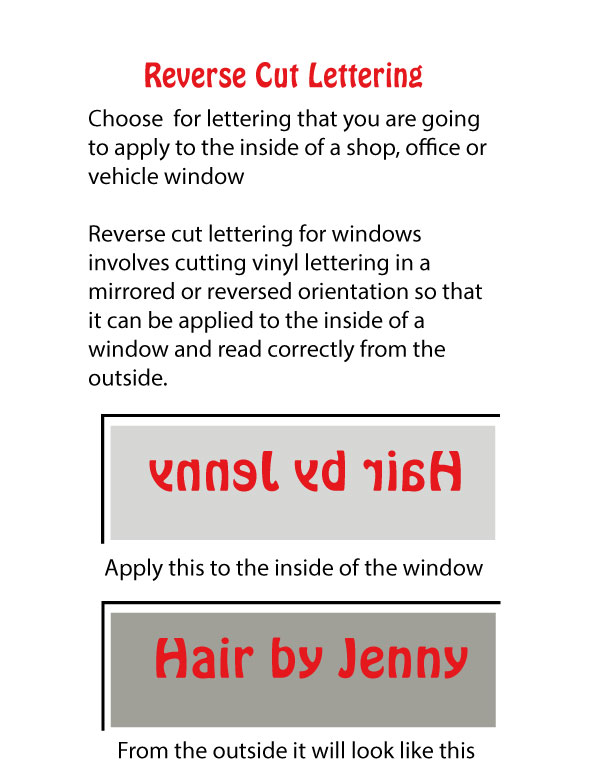
Vinyl lettering can work well for applying directional messages to smooth doors, walls or equipment, while floor graphics can support pedestrian routes and stopping positions. However, floor markings wear faster in areas used by pallet trucks, forklifts and heavy deliveries. Treat them as a useful supplement, not the only instruction in a high-traffic space.
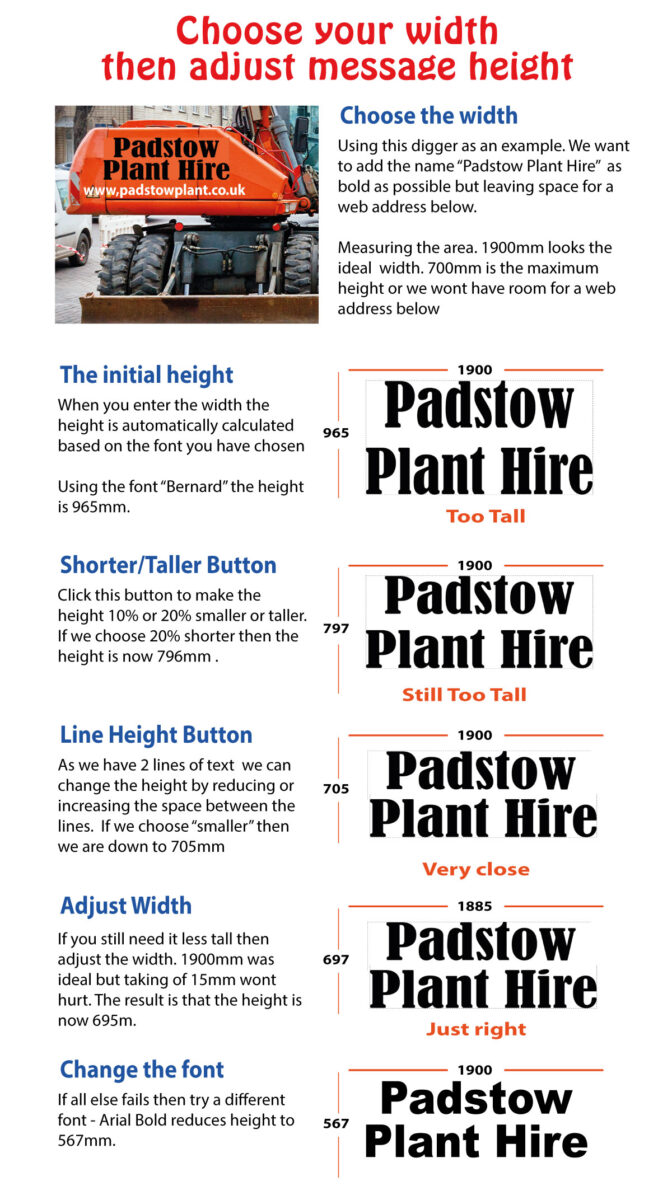
Size matters as much as material. A sign viewed by a driver approaching in a vehicle needs larger text than one read at a pedestrian gate. Consider viewing distance, approach speed, lighting and whether the sign may be obscured by open vehicle doors, stacked stock or seasonal displays.
Where to place loading bay signs
Start at the site entrance. Drivers should know the delivery route, reporting point and any height or vehicle restrictions before they reach the loading area. Use directional signs at every decision point, particularly where an unfamiliar driver could take a wrong turn.
At the bay itself, position signs at eye level where possible and keep them out of the path of vehicles, fork arms and opening doors. Signs mounted too high can be missed, while signs placed on temporary barriers can move or disappear when the area is busiest.
Think about each person’s journey. A driver may see an entrance sign, then a reporting sign, then a bay instruction. A pedestrian may emerge from a side door and need a separate warning before stepping into the vehicle route. Reviewing the bay on foot during a normal delivery is one of the best ways to identify gaps.
Make site rules clear without overloading the space
A loading bay crowded with notices can be as confusing as one with none. Group related information where people need it and remove outdated messages. For example, a driver information board near goods-in can include reporting instructions, delivery hours and basic site rules, while warning and mandatory signs remain close to the relevant hazard.
Custom signs are useful when standard wording does not reflect how your site operates. Include your business name, bay number, delivery times or a simple contact instruction where it reduces uncertainty. Keep fonts legible and leave enough empty space for the key message to stand out.
Before ordering, check that your wording matches your risk assessment and actual procedures. If staff regularly make exceptions that the sign does not allow for, either update the process or revise the notice. Clear signage is most effective when everyone on site can rely on it.
A well-signed loading bay keeps deliveries moving without asking drivers or staff to guess the rules. Build your sign set around the real movements, hazards and access points on your premises, then choose durable formats that will stay readable through daily use.