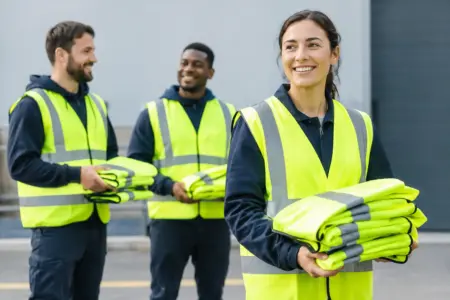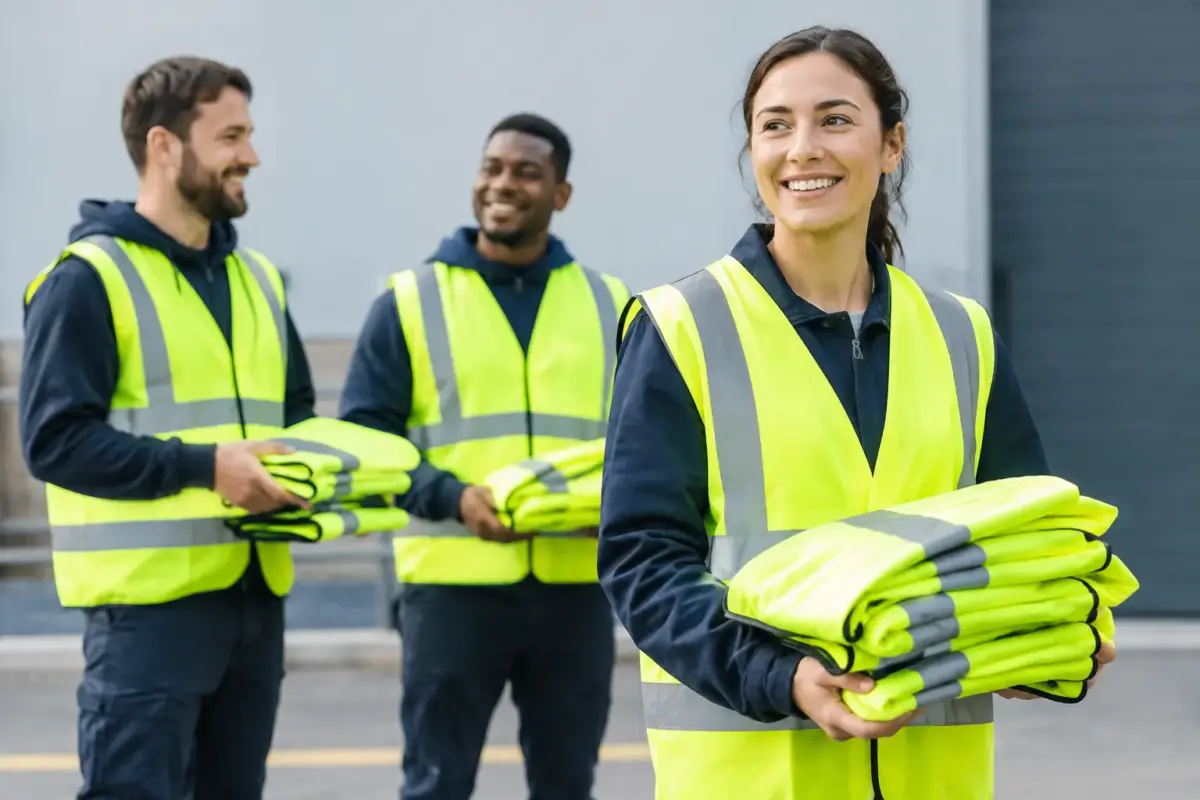
A site team in mismatched high-visibility clothing can look unprepared before work has even started. Printed hi-vis vest bundles give businesses a simple way to issue consistent, identifiable garments for staff, visitors and contractors, while keeping ordering manageable when several sizes and names are involved.
For builders, warehouse operators, event crews, delivery teams and facilities staff, a bundle is more than a quantity discount. It is a practical supply option: the right number of vests, a clear print position and a repeatable design that can be ordered again when the team grows.
When printed hi-vis vest bundles make sense
Bundles work best when several people need the same branded garment at the same time. A small trade business may need ten vests for a new contract. A site manager may need a set for regular operatives, plus a few unprinted visitor vests. An event organiser may need a clearly marked team for set-up, stewarding and breakdown.
Ordering together helps keep the finish consistent. Your company name, logo or job role can appear in the same place and at the same scale across the group, rather than changing from one garment order to the next. It also reduces the repeated administration of ordering individual items.
There is a cost and flexibility trade-off. Bundles are efficient for a settled team or a planned project, but they may not suit a business with constantly changing names, roles or staffing levels. In that case, start with logo-branded vests and use separate role identifiers only where they are genuinely needed.
Useful applications for a bundled order
A printed vest bundle is particularly useful where people need to be recognised quickly. Site supervisors can be distinguished from general operatives, delivery drivers can carry a clear company identity, and event staff can be easy for visitors to find.
For customer-facing work, branding also supports a more professional handover. When an engineer arrives at a premises or a crew works beside a signwritten vehicle, a clearly printed vest reinforces who is responsible for the job. It is a modest detail, but it helps customers feel confident about who is on site.
Choose the vest before planning the print
Hi-vis garments are selected for visibility first. The right choice depends on the environment, the type of work and whether the wearer needs other layers underneath. A lightweight waistcoat-style vest is often suitable for short site visits, warehouse work and events. For outdoor work in poorer weather, a more substantial garment may be required as part of wider workwear provision.
Colour choice is not only about brand preference. Fluorescent yellow is widely associated with visibility in many work environments, while orange can provide stronger contrast in particular surroundings. Consider the site conditions, lighting, vehicle movements and what other personnel are wearing. If your organisation has a safety policy or client specification, follow that first.
Sizing deserves the same attention as print. A vest that is too tight over a jacket is uncomfortable and may not sit correctly; one that is excessively loose can snag or get in the way. Collect sizes before ordering wherever possible, then include a small number of common spare sizes if the budget allows.
Do not treat branding as a substitute for PPE compliance
A printed hi-vis vest can support identification, but it does not automatically make a garment appropriate for every risk assessment. Requirements differ between a warehouse aisle, a construction site, roadside work and an event car park.
Where a garment is specified to a recognised high-visibility standard, the reflective bands and fluorescent background are central to its performance. Print artwork should be positioned in a suitable area and should not cover reflective material. Keep the design clean, and check any client rules before approving artwork.
This is especially relevant for contractors working on customer sites. The lowest-cost option is not always the right option if a principal contractor requires a particular class, colour or garment style. Confirm the specification before placing a larger bundle order.
Keep the artwork clear at working distance
The strongest vest designs are normally the simplest. A company name across the back, paired with a logo or short identifier on the front, gives people the information they need without making the garment look crowded.
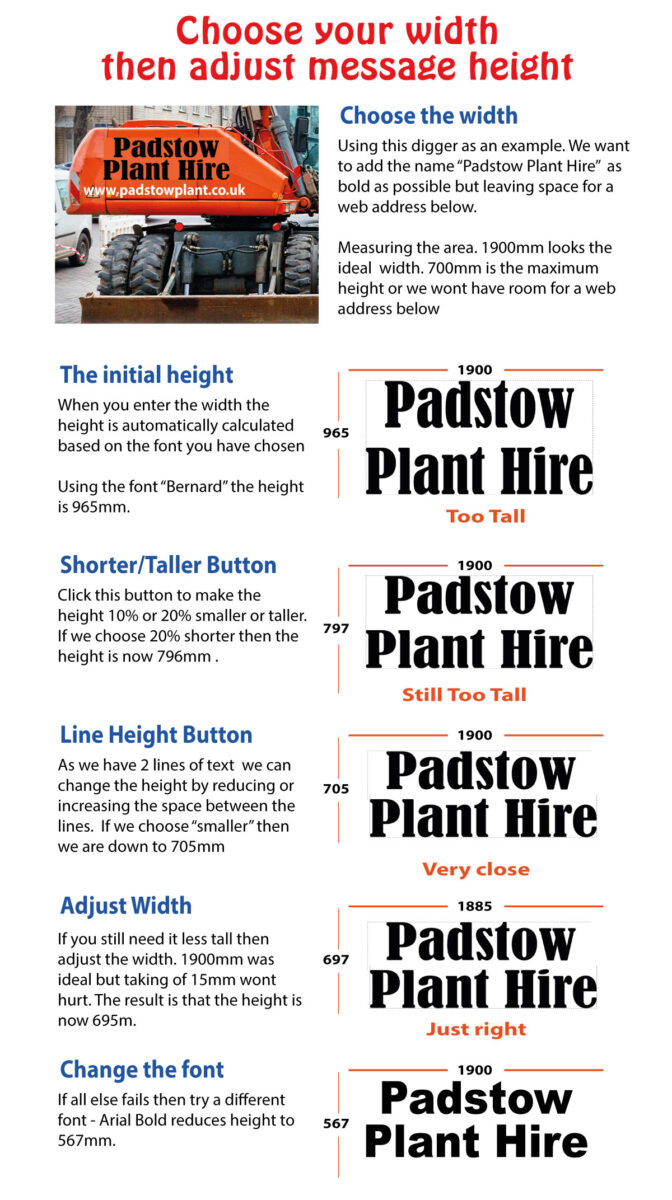
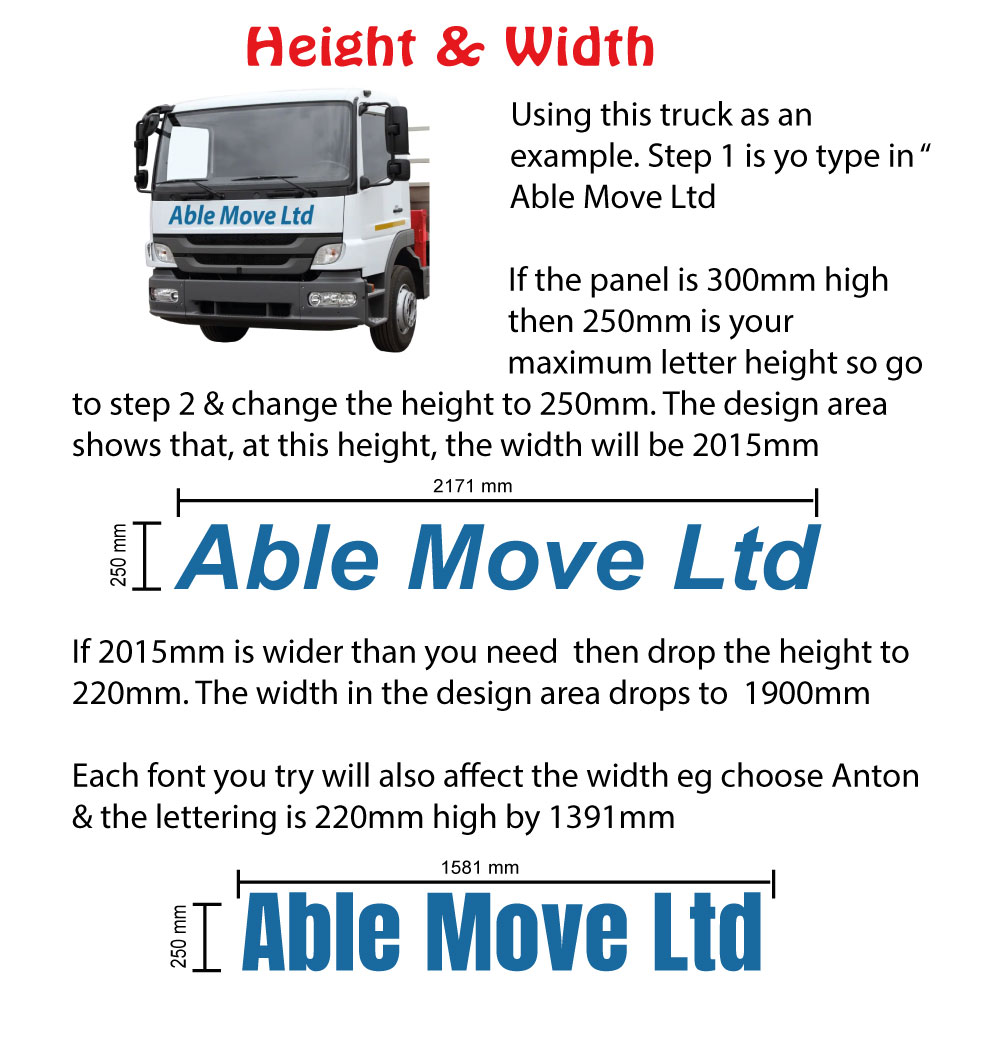
Think about where the vest will be seen. From a distance, a short business name is more useful than a long slogan. On a busy site, large lettering on the back may be the first thing a reversing driver or visiting customer notices. On the front, a smaller logo, role or company name can work well for face-to-face contact.
Avoid trying to reproduce a full brochure on a garment. Fine lines, tiny contact details and detailed imagery can be difficult to read at normal viewing distance. If you need a phone number or website, make sure it is large enough to be useful, but do not let it compete with the main identifier.
Front, back or both?
Back printing offers the greatest visibility and is the most practical choice where staff are working around vehicles, machinery or members of the public. It gives enough space for a company name or a clear role title such as “SITE STAFF” or “MARSHAL”.
Front printing is useful for customer contact and team recognition. A logo placed on the chest keeps the garment branded when the wearer is facing someone, without overwhelming the hi-vis finish.
Using both positions gives the most complete result, though it adds to the order cost. For a tight budget, prioritise the back. For teams that regularly meet customers, work at public events or move between several locations, front and back printing is often worthwhile.
Build a bundle around how your team actually works
A practical bundle is not always an even split of every size. Look at your current team, their usual outer layers and whether temporary staff or visitors are likely to need garments. A planned size breakdown avoids ending up with surplus small sizes and no garments that fit the people who need them.
It is also worth deciding whether everyone needs identical wording. A single company-branded design keeps ordering simple. Role-based versions can improve site management, but they create more artwork variations and may be less useful when staff move between duties.
For example, a facilities company might use one standard vest for all engineers, with a separate small batch marked for supervisors. An event organiser may need one design for crew and another for information staff. Keep variations purposeful. Each additional version should solve a real operational need.
If you expect regular recruitment or seasonal demand, retain the approved artwork and details of the garment used. Reordering the same bundle is then far easier, and new garments will match the existing issue. This matters when a team is visible across several sites or works alongside branded signage and vehicles.
Prepare artwork that prints cleanly
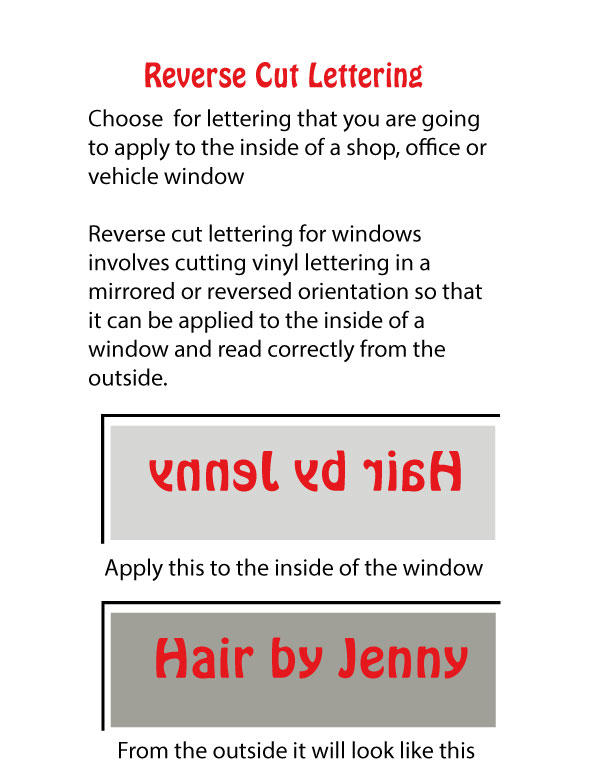
Good source files save time and produce a better result. Vector artwork is ideal for logos because it can be scaled without losing sharpness. High-resolution image files can also be suitable, provided they are clear and not copied from a small screenshot or social media profile image.
Before sending artwork, check the spelling of the business name, telephone number and role titles. These details are easy to overlook once a design is familiar, but they are much harder to correct after production. If your logo uses specific colours, provide the approved version rather than relying on an old file from a previous supplier.
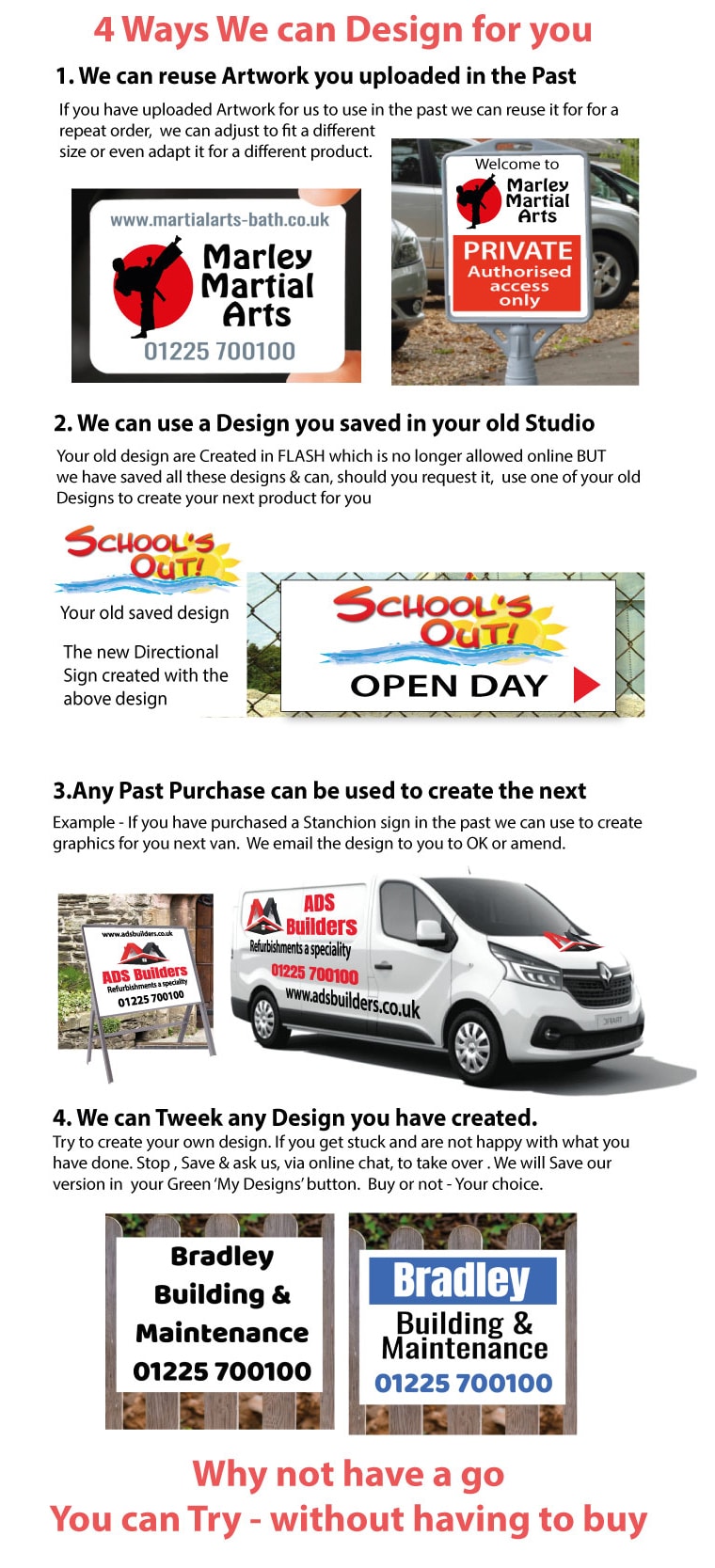
Use the ordering route that suits your confidence and deadline. You may be able to design online for straightforward text and logo layouts, upload your own design if artwork is ready, or request assistance where the layout needs checking. Clear instructions on quantity, garment colour, sizes and print positions help avoid delays.
Make ordering easier for the next job
The best bundle orders are planned as part of normal stock control, not left until the day before a new project begins. Keep a record of who has been issued a vest, which sizes move fastest and how many spares remain. This helps prevent rushed orders and allows a replacement to be arranged before someone turns up without suitable clothing.
For businesses with repeat needs, use a standard print layout and garment specification wherever possible. Consistency speeds up approvals and helps your team present the same image whether they are on a building site, at a trade counter or setting up an event.
The SignBuilder can help turn a straightforward logo, team name or role message into a practical branded garment order. Start with the working environment, choose a suitable vest and keep the print clear. That gives your team clothing that is easy to issue, easy to recognise and ready for the work ahead.